

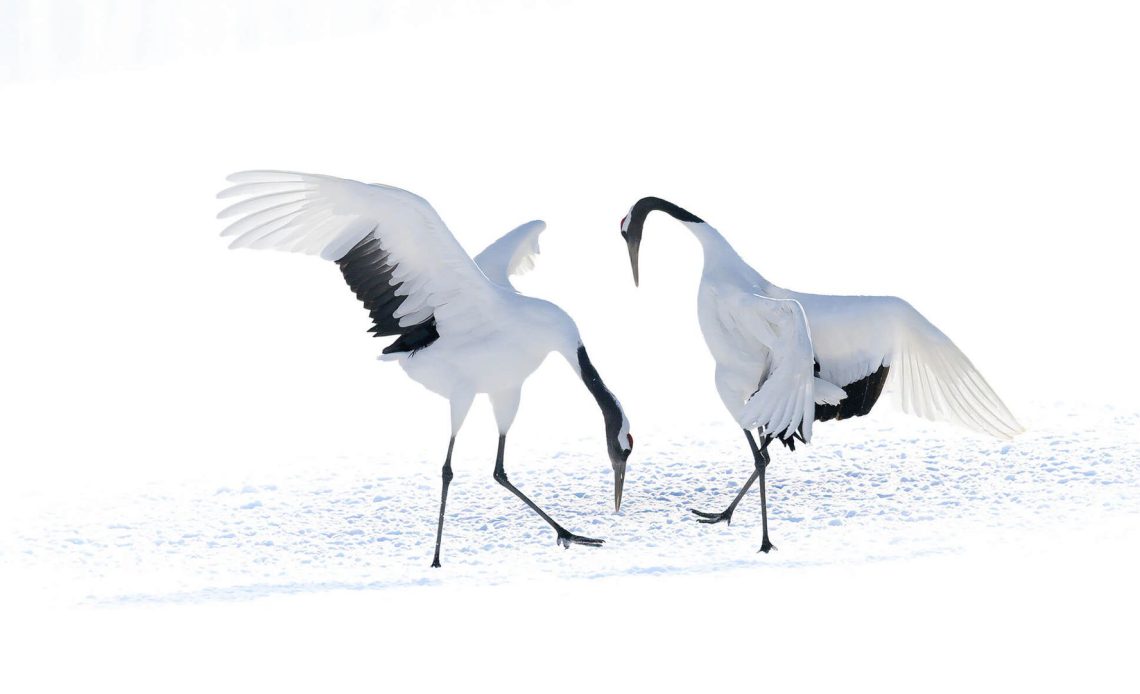
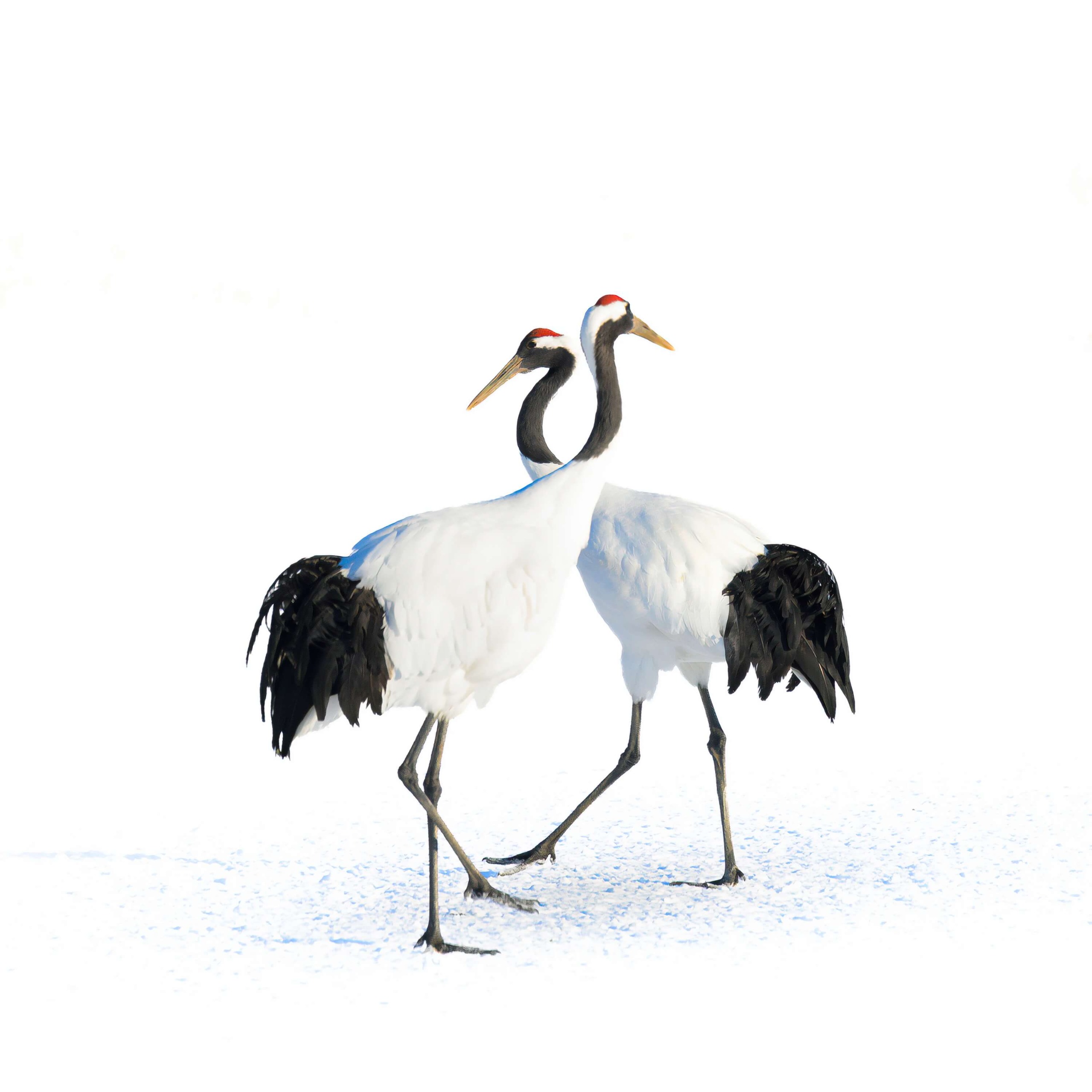
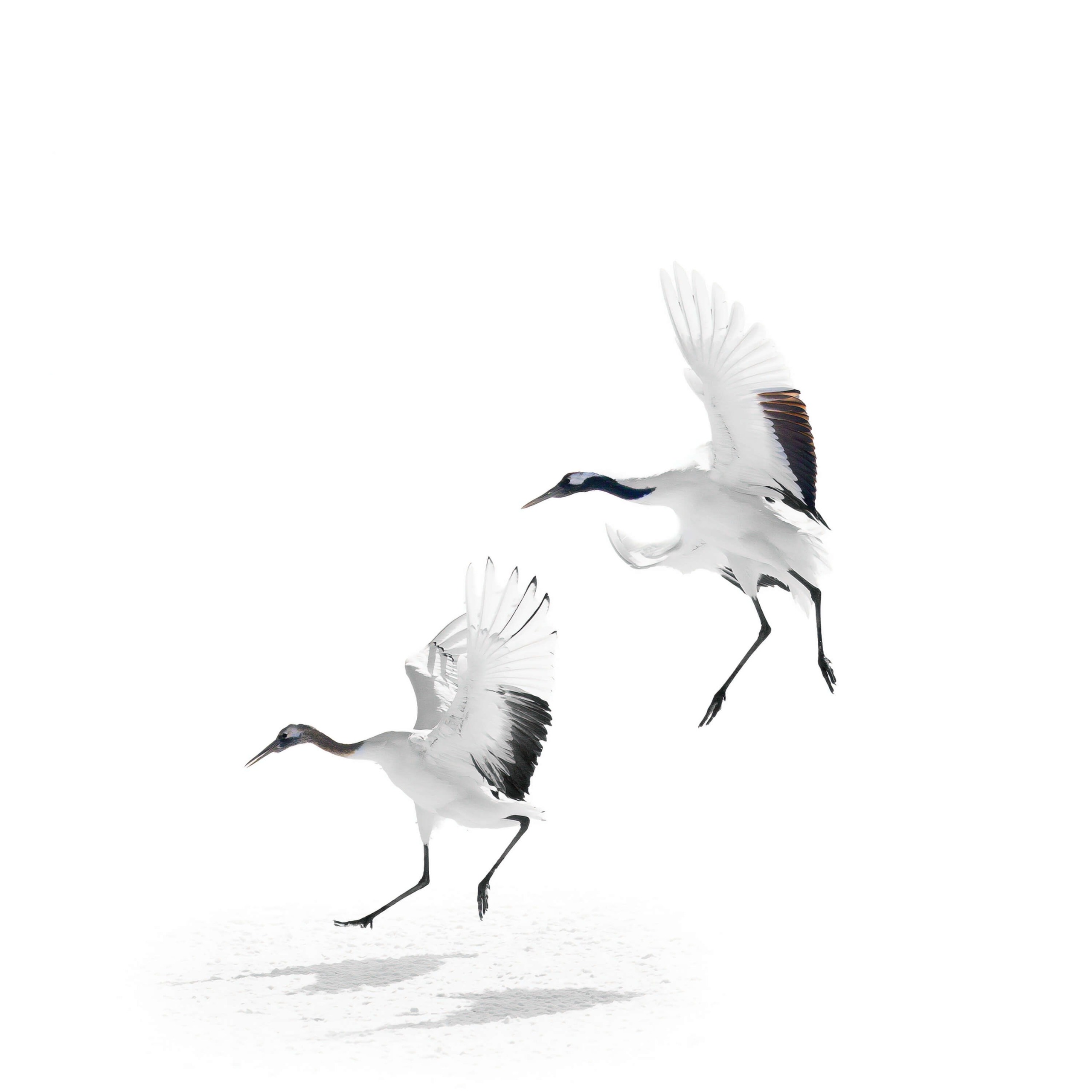
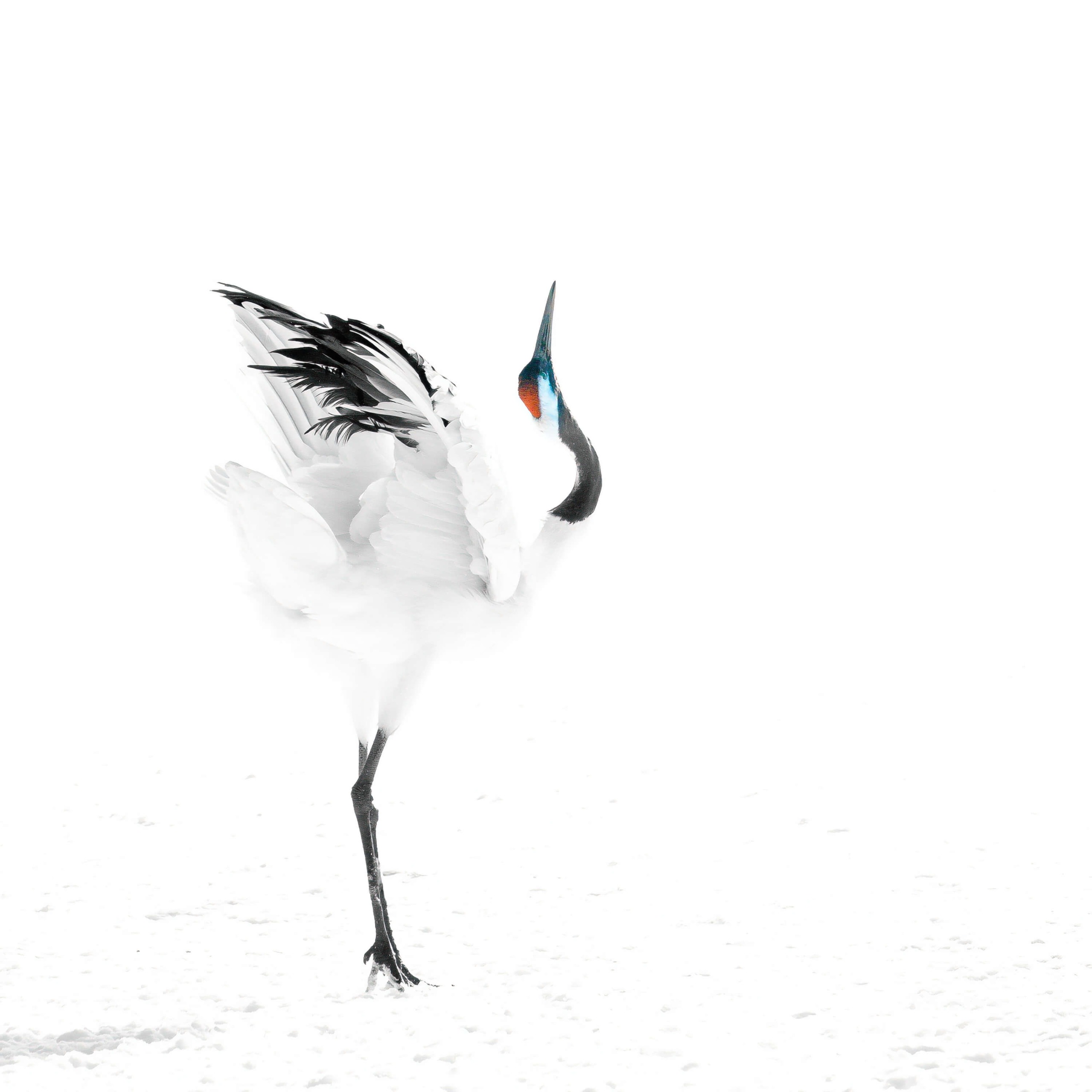
A pair of red-crowned cranes emerge from what looks like a blank canvas, in a dance of courtship across the snow-capped landscape.
With their dark plumage and red crowns standing out as the only anchors of color, the scene begs the question: how much detail can a photographer remove before an image stops working?
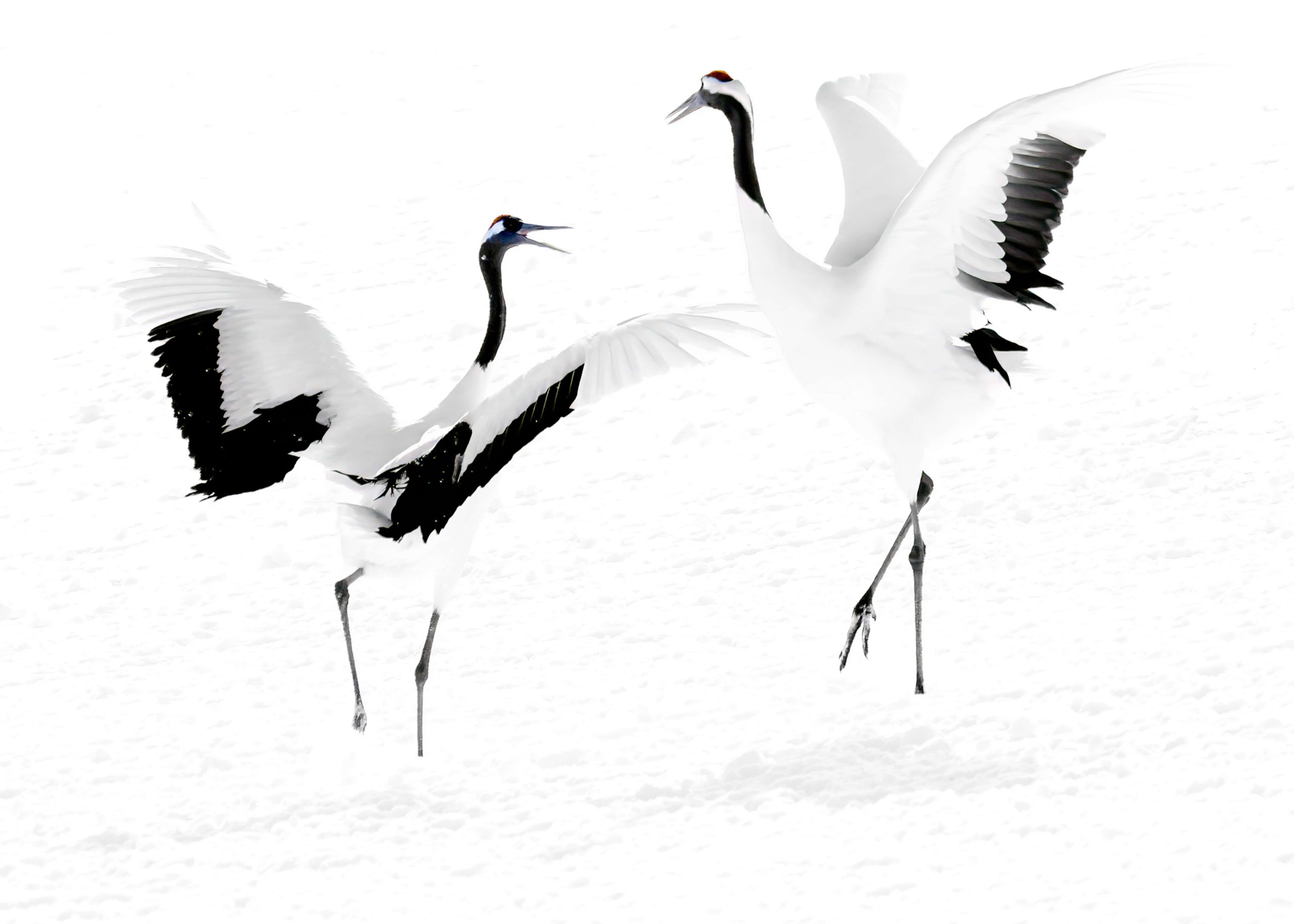
“The set I came away with reads more like ink-wash paintings than wildlife photographs,” said Somdutt Prasad, the ophthalmologist and multi-award-winning photographer who created the image as part of a series in Hokkaido, northern Japan.
Image 1 of 2
(Image credit: Somdutt Prasad)

(Image credit: Somdutt Prasad)
View Original
View Original
Choosing Hokkaido and high-key
However, this high-key aesthetic was no attempt to save a mistakenly overexposed set of photos, but rather a thought-out artistic decision to capture a unique wildlife subject in a unique way.
“I was already thinking about how to make the images intertwine with the crane’s (tanchōzuru) folklore and its place in Japanese culture, rather than simply document it,” said Prasad.
The photographer explained that producing colorful, fully saturated scenes would have resulted in a “fairly standard” photographic series, instead choosing to push the images toward a monochrome look.
“High-key was the obvious direction,” Prasad added. “These birds are essentially black and white already, with color confined to a small patch on the head and neck.”
Image 1 of 2
(Image credit: Somdutt Prasad)
(Image credit: Somdutt Prasad)
View Original
View Original
Planning before pressing the shutter
Achieving this final visual effect began well before taking any images, with Prasad planning his visit to the northern Japanese island in January, during Hokkaido’s coldest period. In search of the heaviest snow cover, he braved temperatures below −20°C, which challenged batteries, hands, and patience.
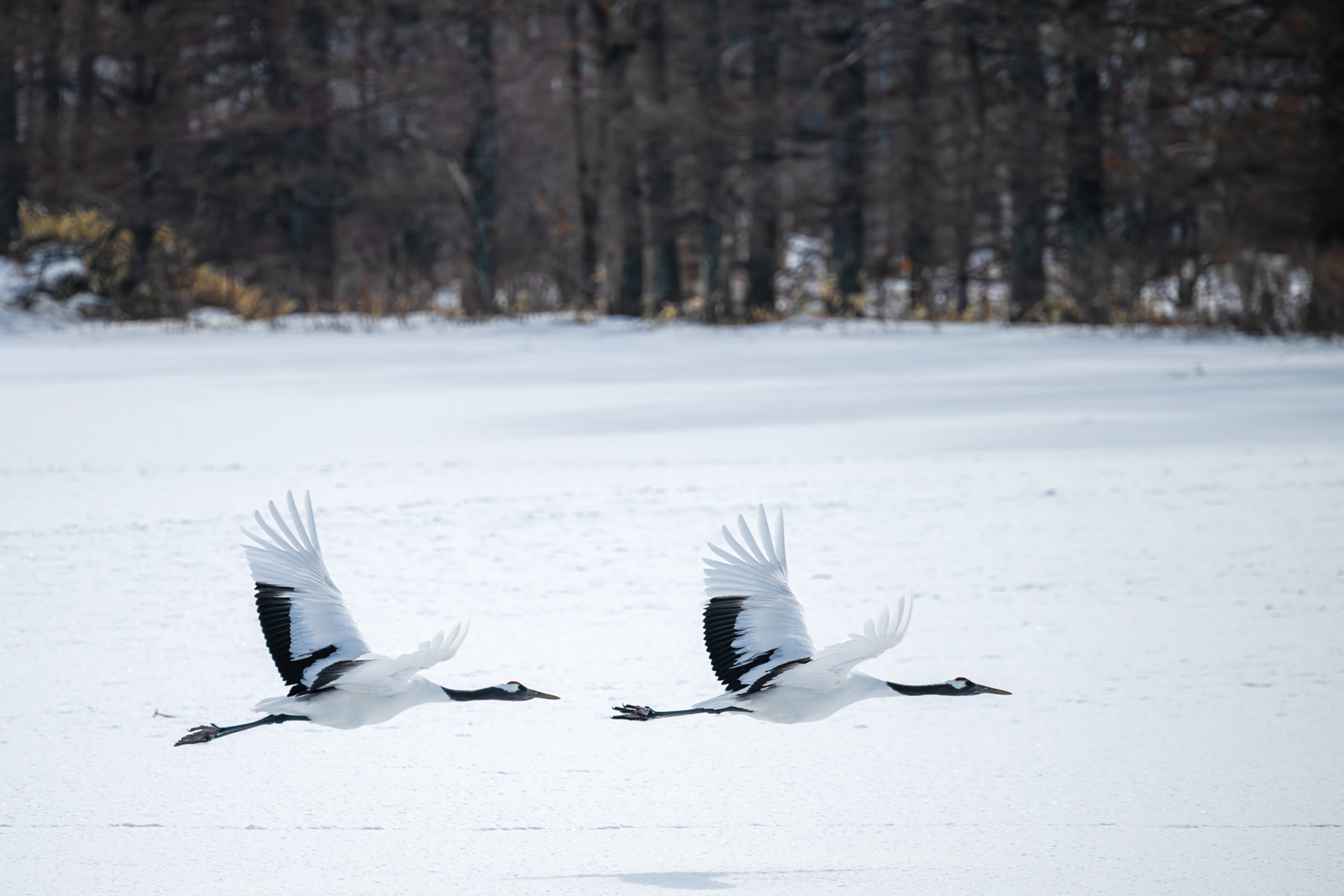
In the field, Prasad prioritized mornings, looking for fog rising from warmer, spring-fed areas of marshland to compress the tonal range and separate the cranes from their surroundings.
Although this was no easy feat, the photographer explained that the high-key effect depended on isolating a single crane or, at most, a pair of cranes away from the bustling flock.
“That meant a lot of waiting – for a wing to open against a clean background, for a neck to arch into a shape worth keeping – rather than simply firing at whatever moved,” he said.
The equipment and technique
Snow can easily fool a camera’s metering into rendering a bright scene too dark, so to achieve a high-key look, you must deliberately increase the exposure. But push too far and you risk “burning the highlights,” and important details, such as birds’ feathers, can disappear, explained Prasad.
Shooting in RAW on a Nikon Z8 and Nikon Z9, the photographer explained how he kept a “constant” eye on the histogram displayed in the electronic viewfinder to assess exposure while pressing the shutter.
“You have to deliberately overexpose beyond what feels natural and then protect the highlights rather than the midtones,” said Prasad.
Prasad’s gear for the red-crowned crane series
- Nikon Z9
- Nikon Z8
- Nikon Z 24-120mm f/4 S
- Nikon Z 100-400mm f/4.5-5.6 VR S
- Nikon Z 400mm f/2.8 TC VR S
The “real transformation” happens in Photoshop
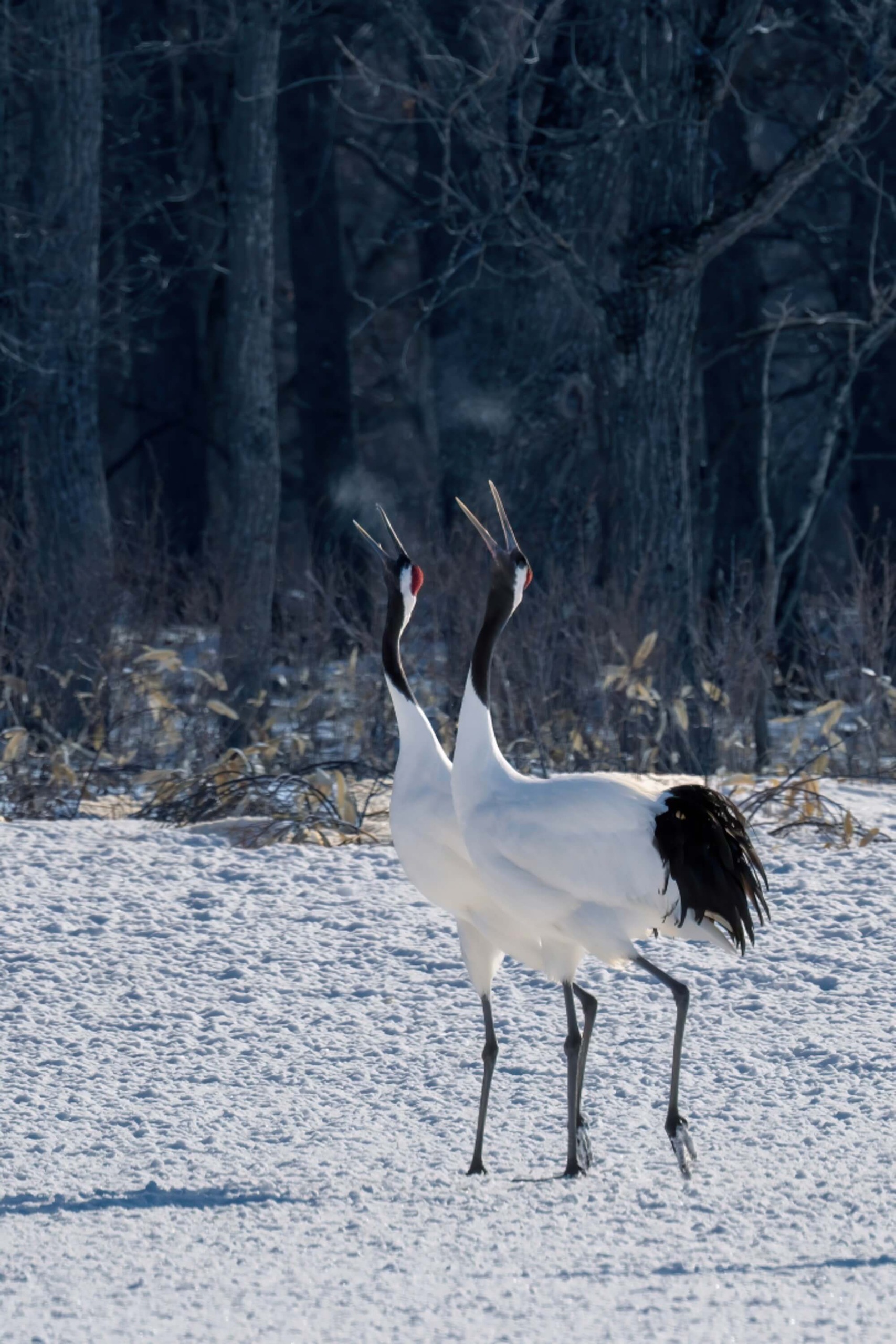
Having exposed “right up to the edge” of clipping, Prasad’s first editing step was to recover detail in the snow by adjusting the “Exposure” and “Highlights” sliders in Lightroom Classic.
Then he ran the images through Photoshop, which, according to Prasad, is where the “real transformation happened.” The photographer masked the birds, carefully refining these masks near the edges of the feathers by hand.
Prasad explained that if a crane was standing on snow, he sometimes included the snow around its feet, using a feathered lasso selection or soft radial gradient.
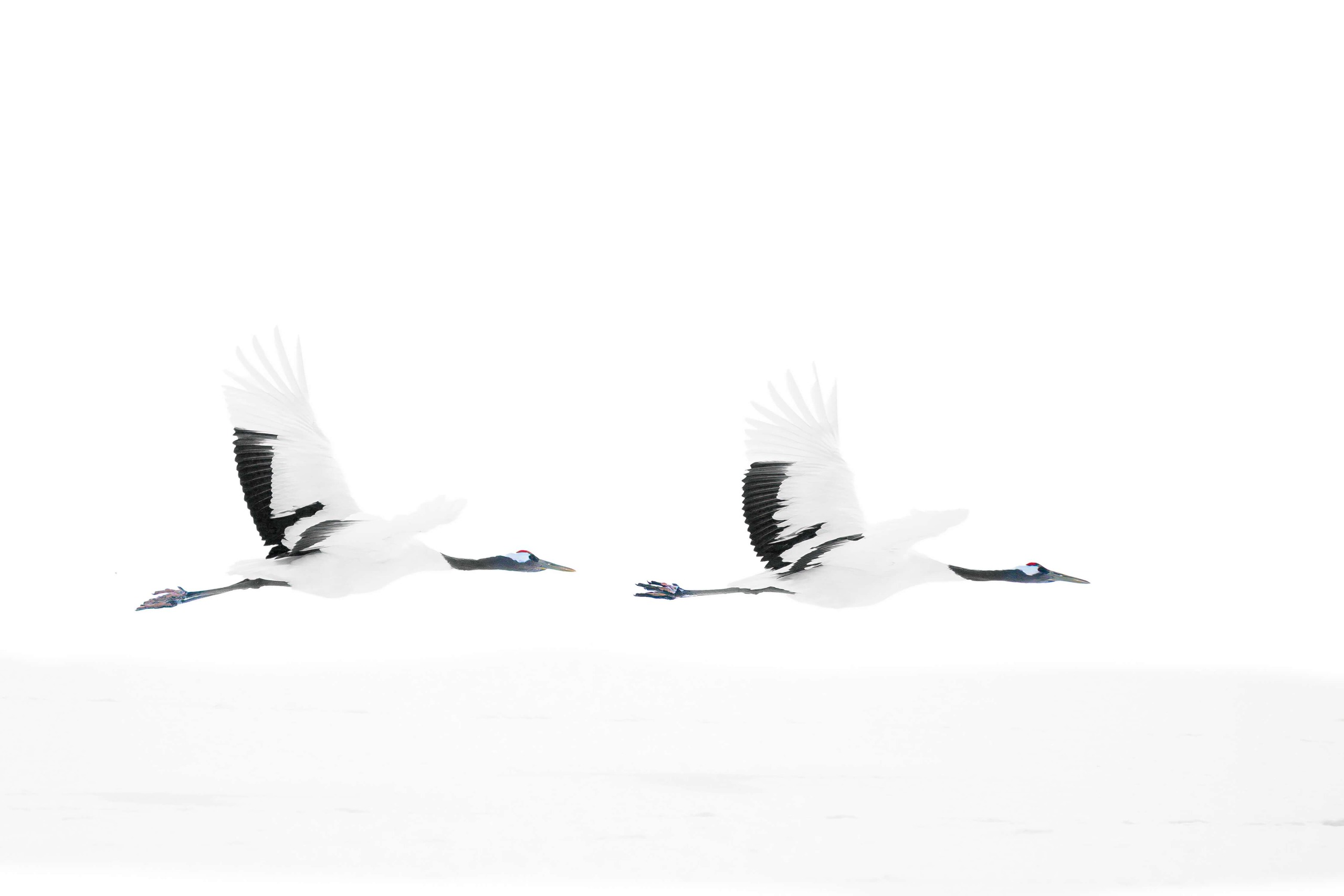
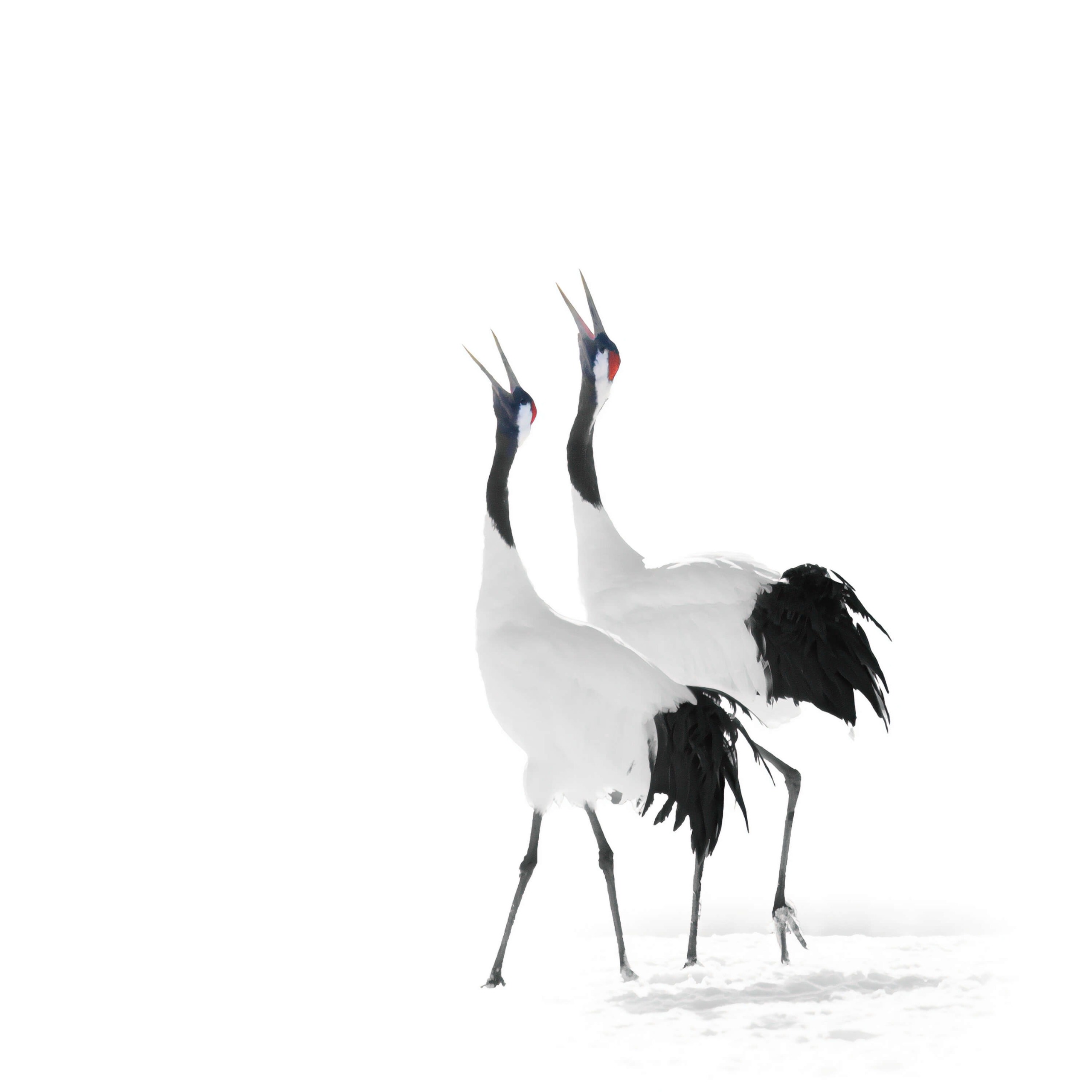
To create the negative space in each image, Prasad then inverted the masks to select the background, pushing its exposure to the maximum and burning or clone-stamping out any remaining “stubborn” color flecks.
“The processing became an extension of the same minimalist instinct as the framing, stripping out distractions and leaning on negative space,” said Prasad.
For the final touches, the photographer masked the birds’ bodies, deliberately sparing their necks and red crowns, before desaturating the body plumage. “Only then the image is done,” he said.
Image 1 of 2
(Image credit: Somdutt Prasad)
(Image credit: Somdutt Prasad)
View Original
View Original
Controlled, conscious decisions
Prasad’s high-key technique proves that wildlife photography doesn’t always have to capture the rich colors of scales, feathers, or fur.
According to the photographer, when the exposure is controlled and post-production edits are made thoughtfully, you can “strip a scene down to its essentials” by removing most of its color and background detail while still depicting the subject in an interesting way.
Author: Alan Palazon
Source: DigitalCameraWorld
Reviewed By: Editorial Team