


A good photobook will take you on a journey. A photobook that takes you on a journey that feels cinematic, that shows you reality from a different perspective, that makes you feel something subtly profound… well, that’s a great photobook.
And in my view, Elsebound: Photographs from the Quiet Hours, the first monograph from Nicolas Rachline, fits right into that category.
Due to be published by Rizzoli New York on September 22, Elsebound evokes a real film noir feel. Empty pavements, half-lit doorways and dim figures are caught mid-thought beneath deep shadows and pale, glowing light; none of them quite explaining themselves. It’s the kind of book that makes you think, rather than telling you what to think.
There’s a famous quote about music commonly attributed to jazz legend Miles Davis: “It’s not the notes you play; it’s the notes you don’t play.” It feels like a similar thing with Rachline’s photography. It’s less about where he points his camera than where he doesn’t.
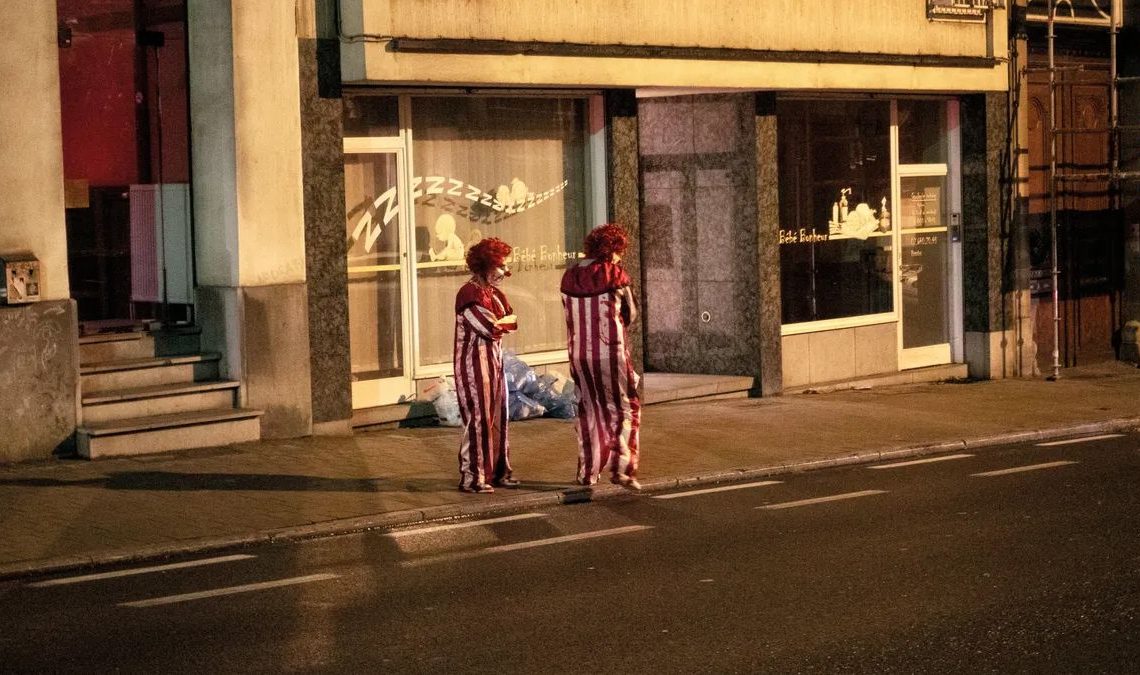
Two people dressed as clowns stand talking outside a shuttered shop in fading light. A well-dressed man in a bowler hat walks alone towards a lit-up Café de Flore. A woman in a red coat climbs a stone staircase towards a bridge, caught between two pools of shadow.
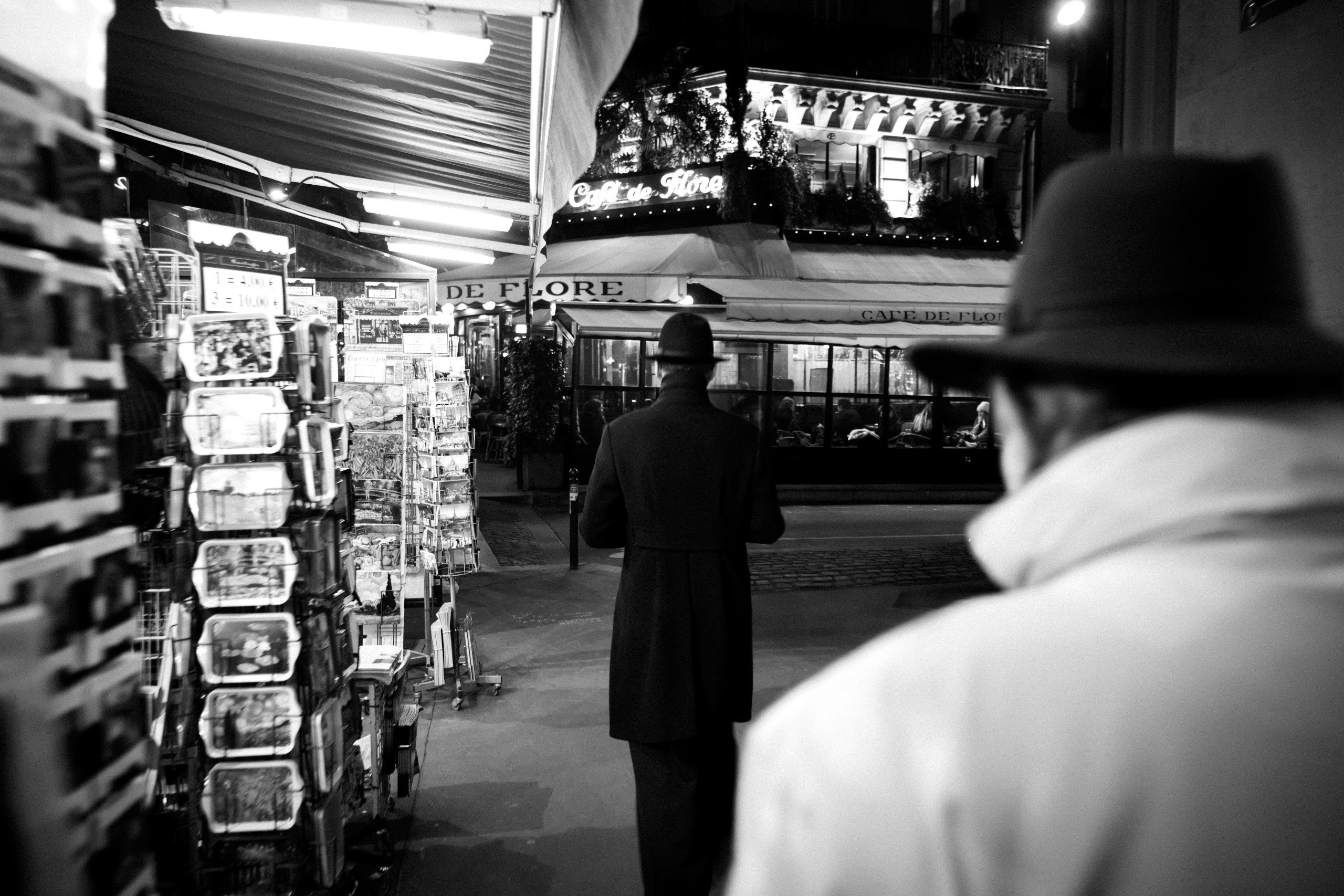
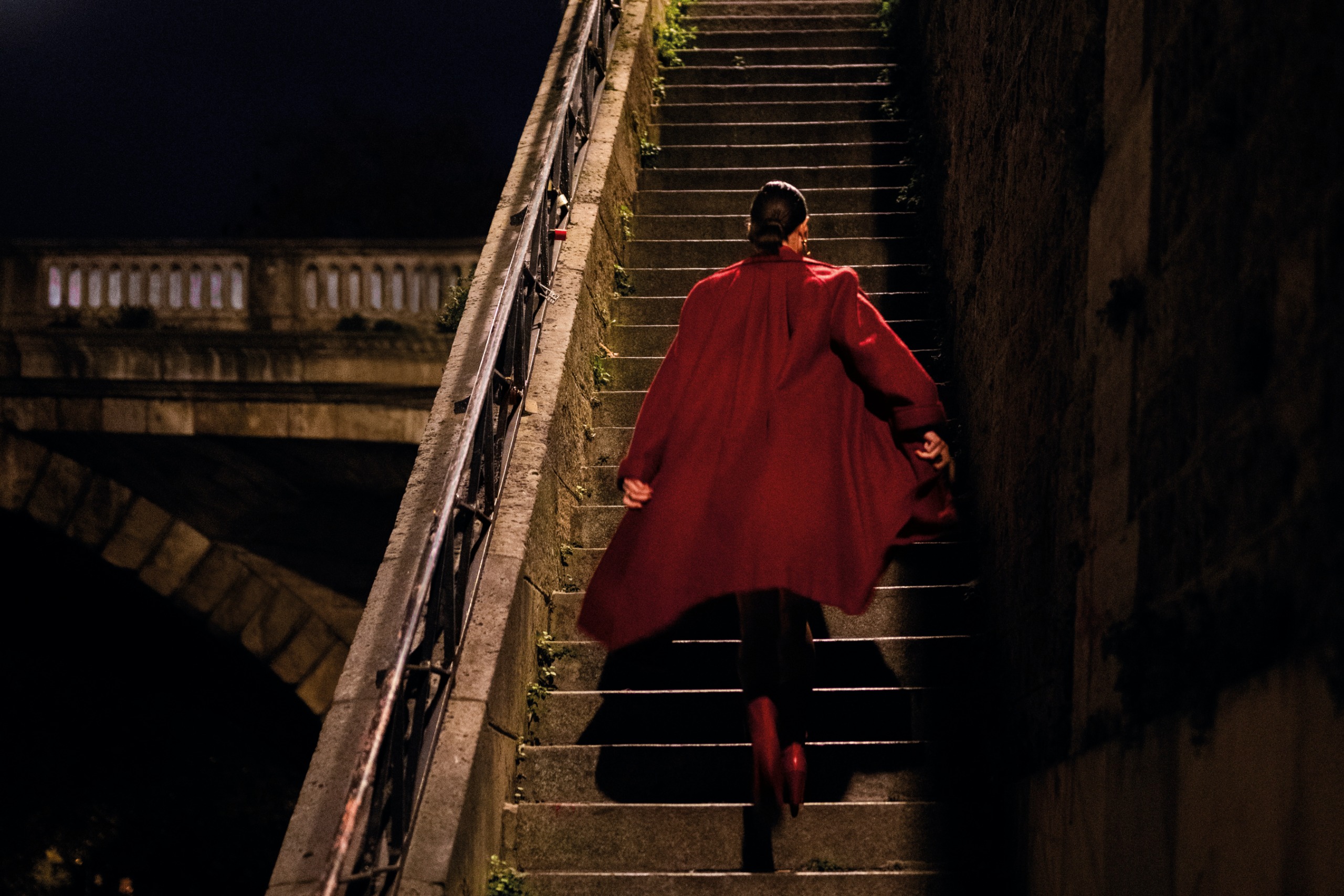
These are all compelling scenes. And yet you have no real idea what’s transpiring here. You have no clue what happened before, or what will happen next. And that’s, really, the essence of Elsebound:a sense of mystery that provokes you to either fill in the gaps itself, or be happy to keep wondering.
Eclectic background
Born in France and now based in Belgium, Rachline came to photography late, after spending decades in advertising, publishing and music video production, including work on videos for the singer Yves Simon and the cinematic legend Isabelle Adjani’s one big music video, Pull Marine, directed by Luc Besson.
He shifted his focus to photography a little over ten years ago, and his eclectic creative background forms the bedrock of his work today. With influences from photographers such as Brassai, Philip-Lorca diCorcia, and Saul Leiter, as well as painters including Edward Hopper and Paul Delvaux, these images feel less like standard photography than stills from an imaginary film nobody’s seen.
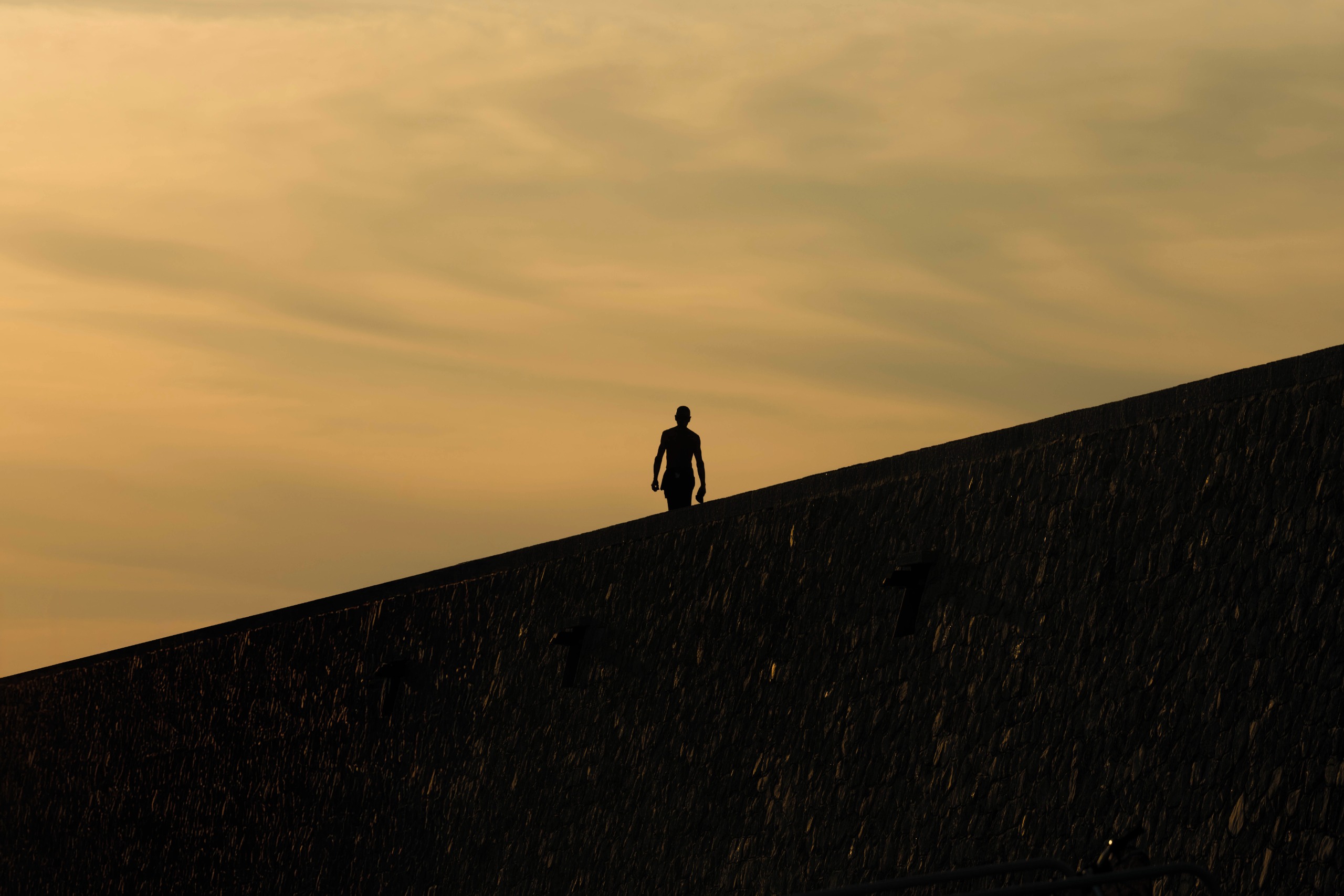
Here, the architecture often does as much work as any human subject. A stone sea wall in Elba, a silhouette walking a rooftop ridge at sunset, a Manhattan skyline reduced to a smudge of towers under bruised cloud. When people do appear, they’re often small, distant or turned away.
It all might sound depressing, but the foreword, written jointly by the journalist Graydon Carter and deputy editor Nathan King, argues the pictures carry hope as well as melancholy. And I’d suggest it’s that tension between unease and warmth that carries the book. These are lonely-looking images that rarely feel sad: a neat trick if you can pull it off.
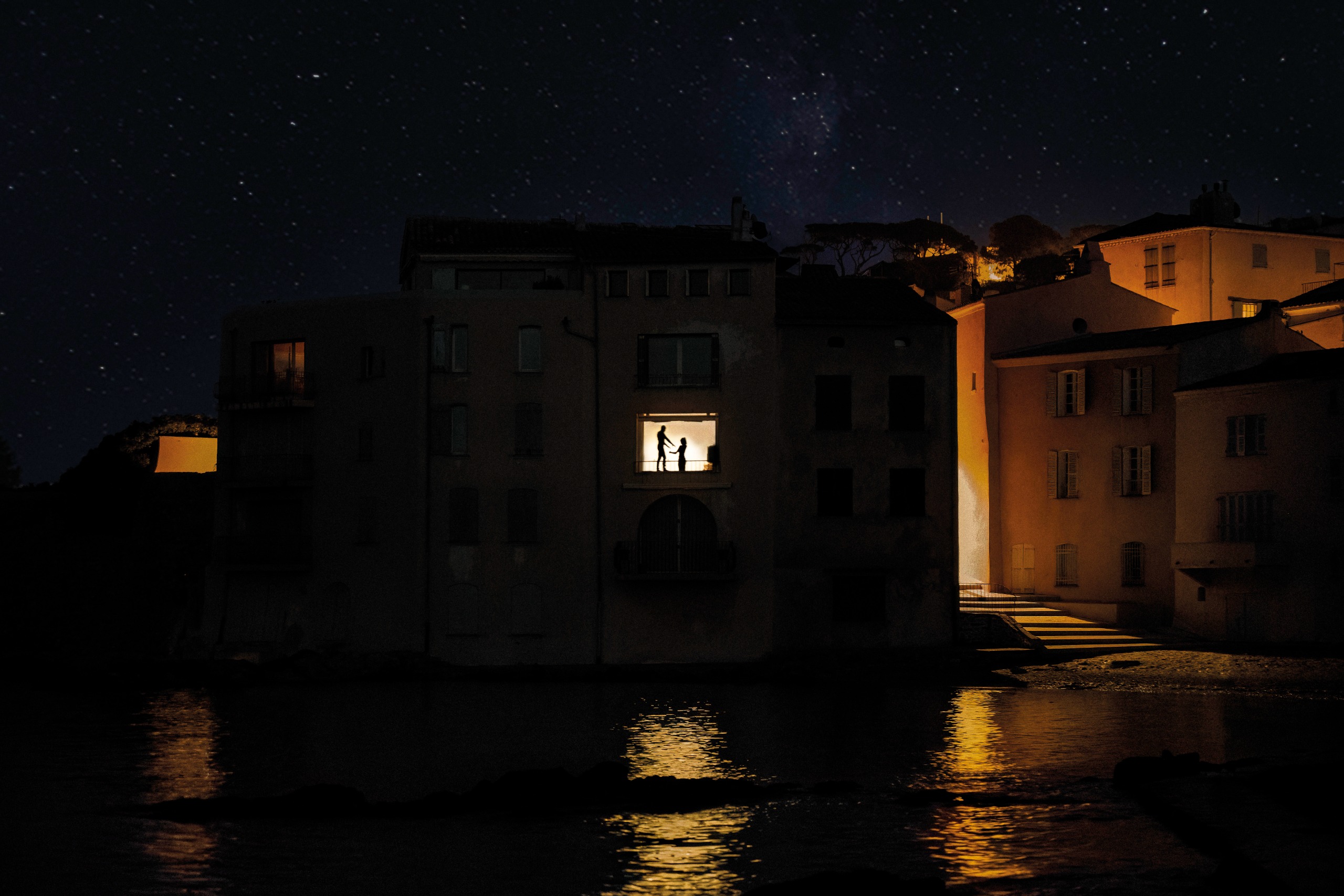
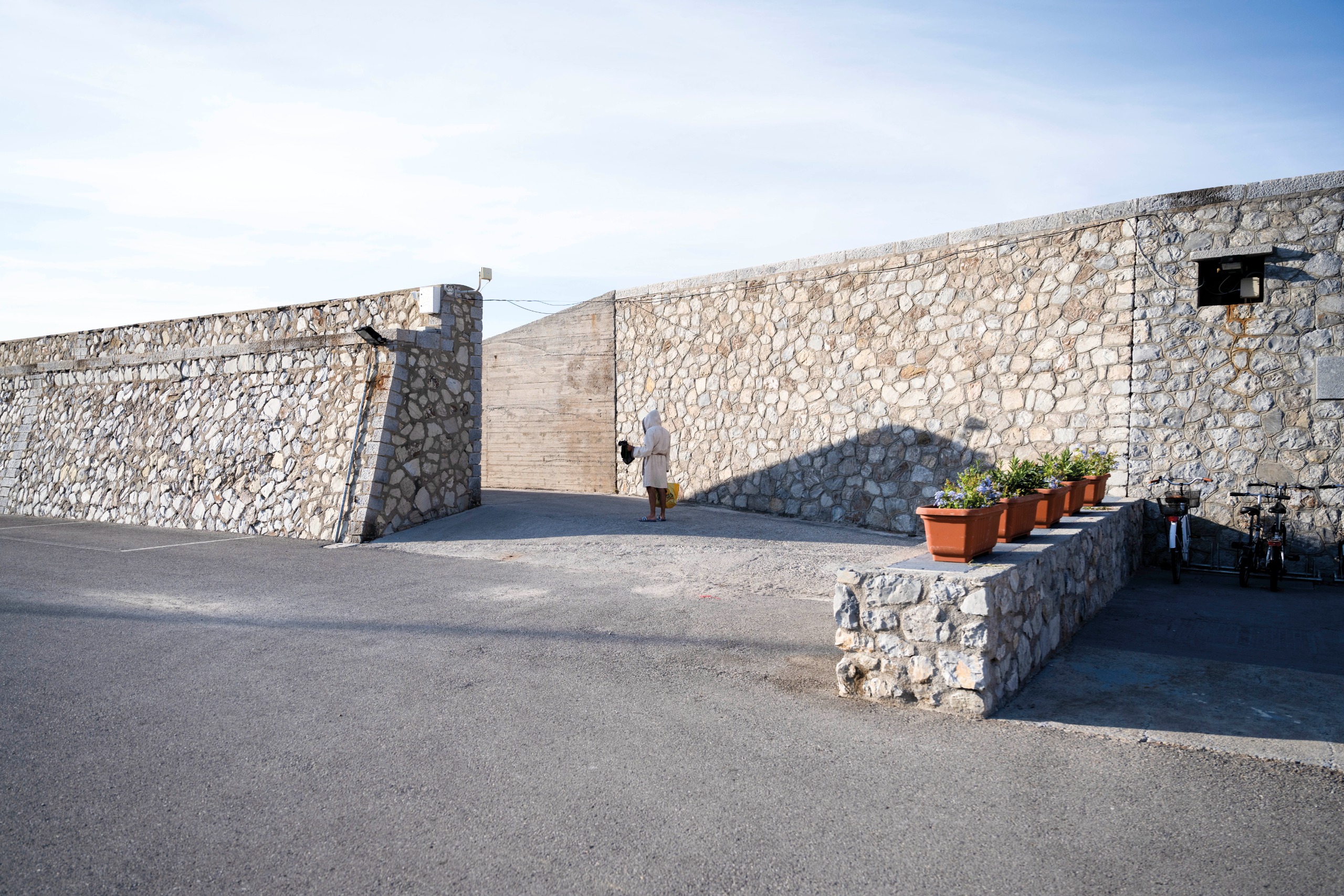
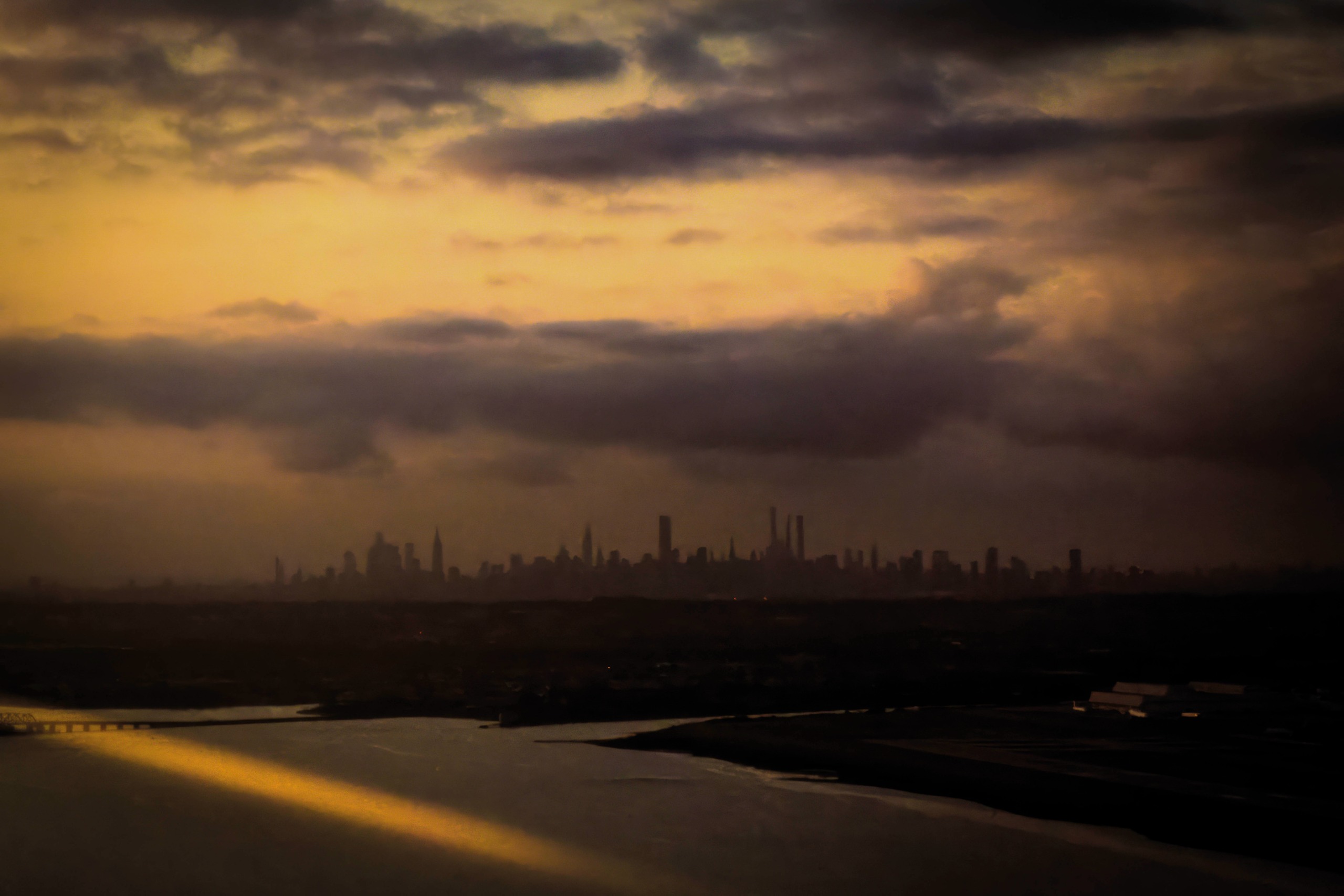
For anyone shooting on the street after dark, the big takeaway here is the power of restraint. Rachline isn’t chasing “decisive moments”; he’s building a mood across 224 pages and letting his picture stay ambiguous rather than resolved. It’s a nice reminder that not every street shot needs a clear subject doing something legible. Sometimes, the exact opposite can be just as powerful.
Elsebound is published by Rizzoli New York on September 22, priced US$65 / CAN$85 / £50.
Author: Tom May
Source: DigitalCameraWorld
Reviewed By: Editorial Team
