

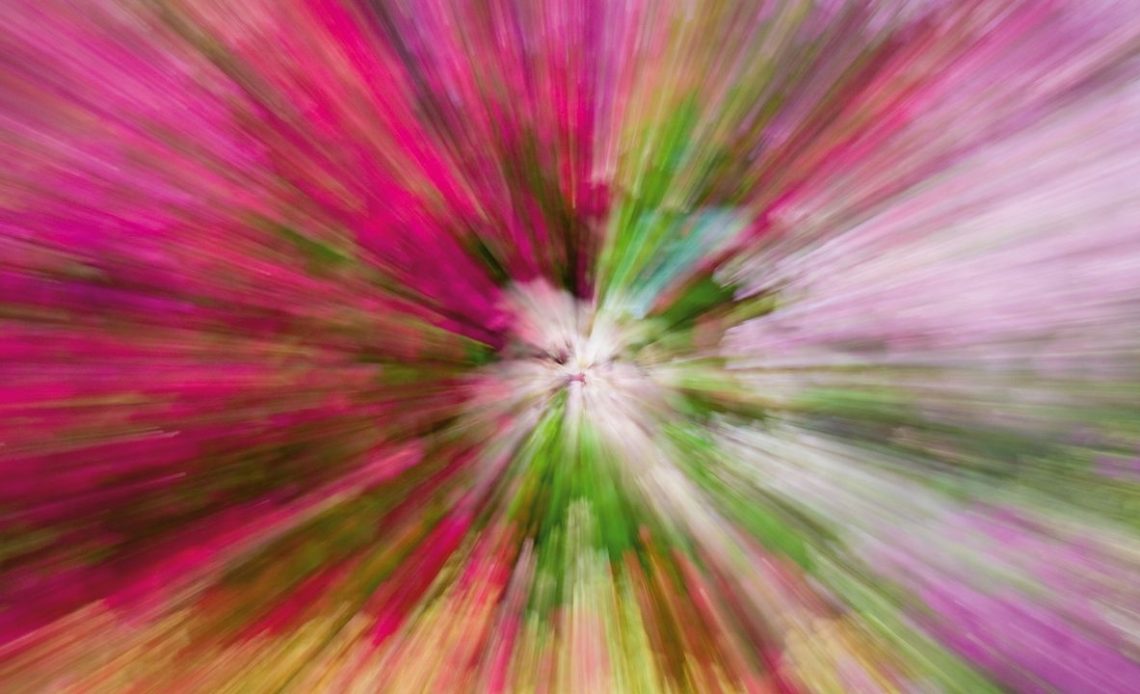
Abstract photography may not be everyone’s first choice – but it can make anyone a better photographer. And that comes down to three simple reasons.
As a genre, abstract photography is incredibly dynamic. It offers endless opportunities to experiment, push creative boundaries, and truly understand how images work. Photography began largely as a documentary medium, but abstraction has long been part of its evolution – and today, it’s easier than ever to explore, refine your vision, and learn your camera inside out.
Whatever you shoot – portraits, weddings, street, or landscapes – abstract photography strengthens the core skills behind every great image. It trains you to observe more carefully, work with unexpected subjects, and see beyond the obvious.
Why abstract photography will make you a better photographer
1. It trains your eye
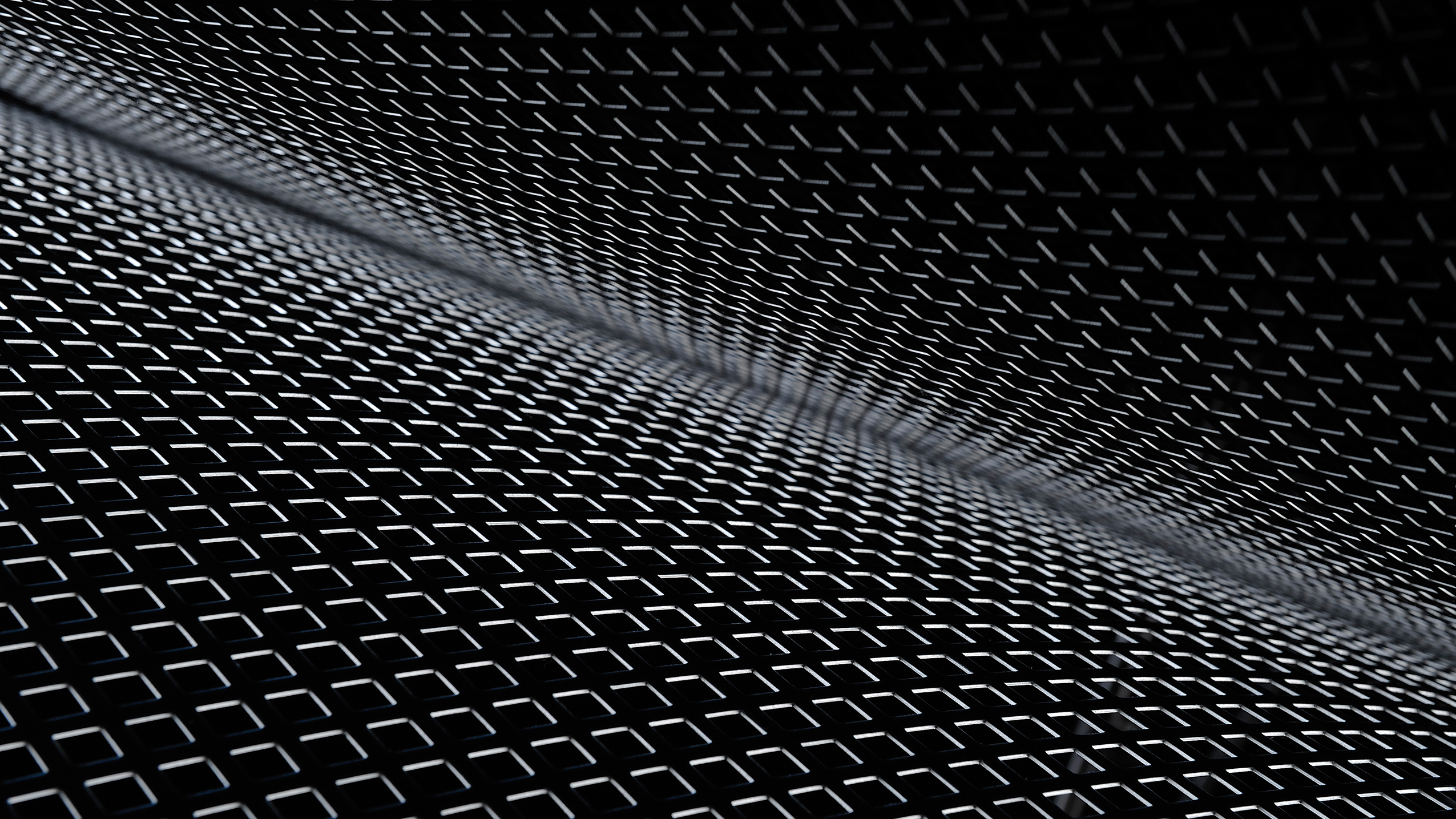
Abstract photography thrives on color, texture, light, and form – elements that often carry more emotional weight than the subject itself.
You begin to see differently. Instead of focusing on what you’re shooting, you start noticing how it looks: the balance (or imbalance) of the frame, the relationship between shapes, and the tension between light and shadow.
And while classic composition rules are a great starting point, abstract photography encourages you to go beyond them. Not everything needs to sit on the rule of thirds. Not every line needs to be straight. When the subject fits the frame, the image works – and experimentation is what gets you there.
2. You’ll understand your camera
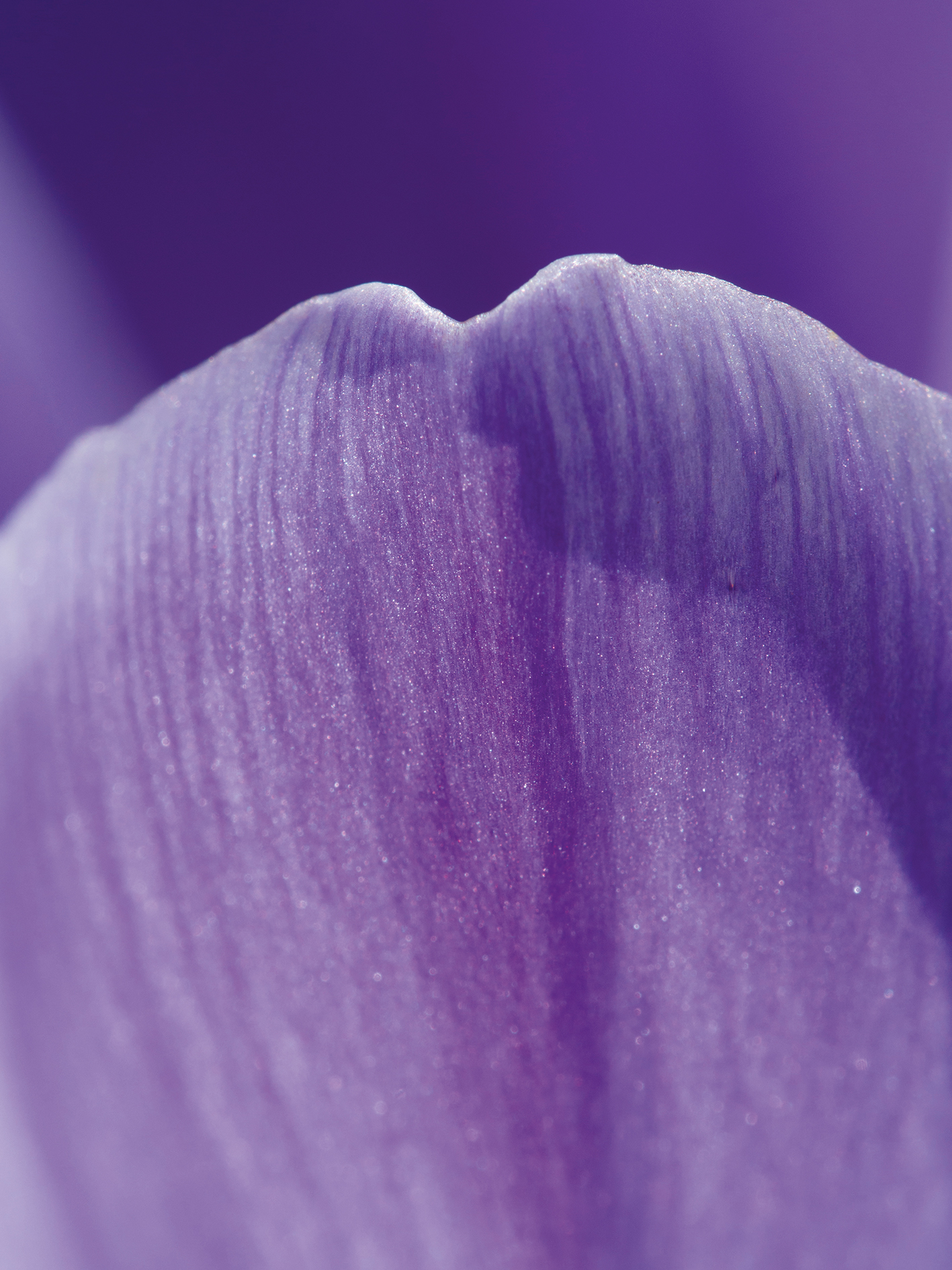
There’s a common misconception that abstract photography is all about randomness or lack of control. In reality, it’s the opposite. To transform reality into something abstract, you often need more technical awareness, not less.
Techniques like double exposure, long exposure, intentional camera movement, or shooting in black-and-white preview push you to explore settings and features you might otherwise ignore. Along the way, you’ll uncover tools in your camera menu you might not have even known existed.
And that deeper technical understanding pays off everywhere. knowing your camera inside out is essential for creating consistently strong images – no matter what the genre.
Even if you don’t stick with abstract photography long term, these techniques often spark new ideas and visual styles. Clients, in my experience, really respond to that fresh perspective – whether it’s portraits, architecture, or product photography.
3. You don’t need new gear – just new perspective
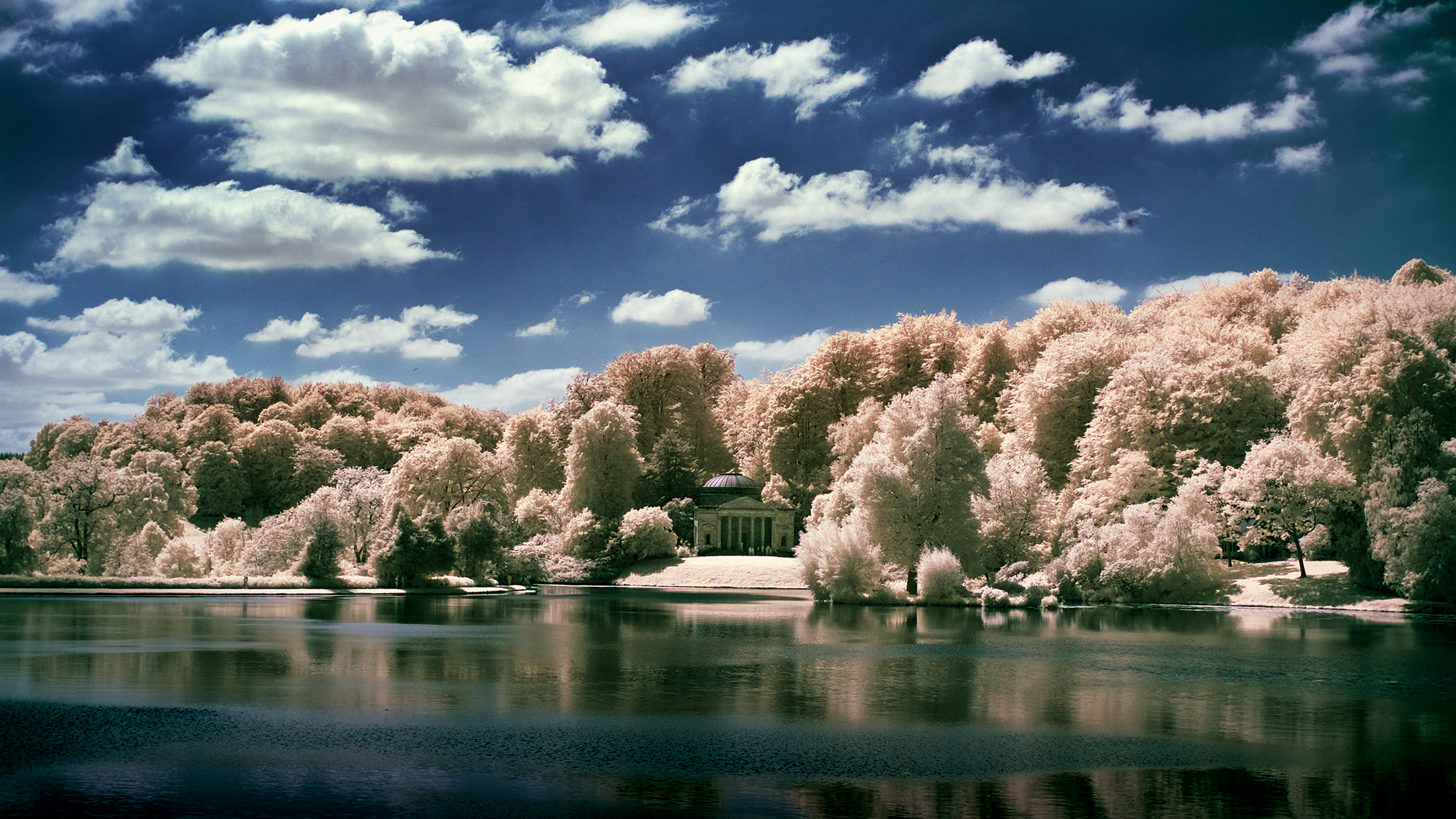
Abstract photography doesn’t demand expensive upgrades. Instead, it encourages you to get more out of what you already have.
If you do want to experiment further, there’s a whole world of affordable accessories to explore. Prisms, filters, and even reversing rings for macro shots can completely transform the look of your images.
Step out of your comfort zone
In the digital age, experimentation is accessible and low-risk – and abstract photography is one of the few genres where there’s no real “wrong” – you can only gain from it.
Photography today is about more than documenting reality, and by breaking away from habits, your work naturally starts to stand out.
Abstract photography sharpens how you see, how you compose, and how you use your camera. And along the way, you might just discover a new creative direction you didn’t expect, creating your individual photographic style. At the very least, you’ll walk away a stronger, more versatile photographer.
Author: Kim Bunermann
Source: DigitalCameraWorld
Reviewed By: Editorial Team