

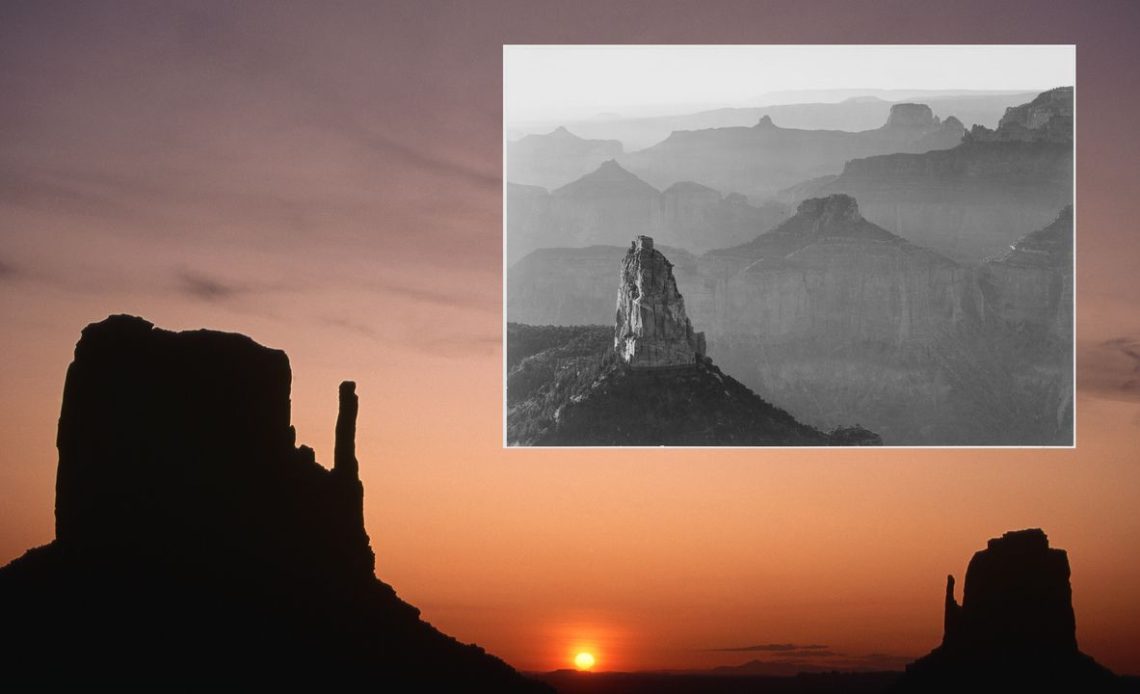
I’m a massive fan of the black-and-white landscape photography that helped bring the artistic genre into the mainstream, especially from the likes of Ansel Adams. His black-and-white work truly embodies the phrase “composition is king,” and I think the lack of color makes you hone in on this.
But there’s another historic photographer whose name is less well-known that I think more landscape photographers should know: Galen Rowell.
Sometimes, even the black-and-white works of the great Adams leave me wanting more. It’s certainly not related to the way his images are composed. In fact, I’ve spent hours studying his frames, as I think every landscape photographer who takes the craft seriously should.
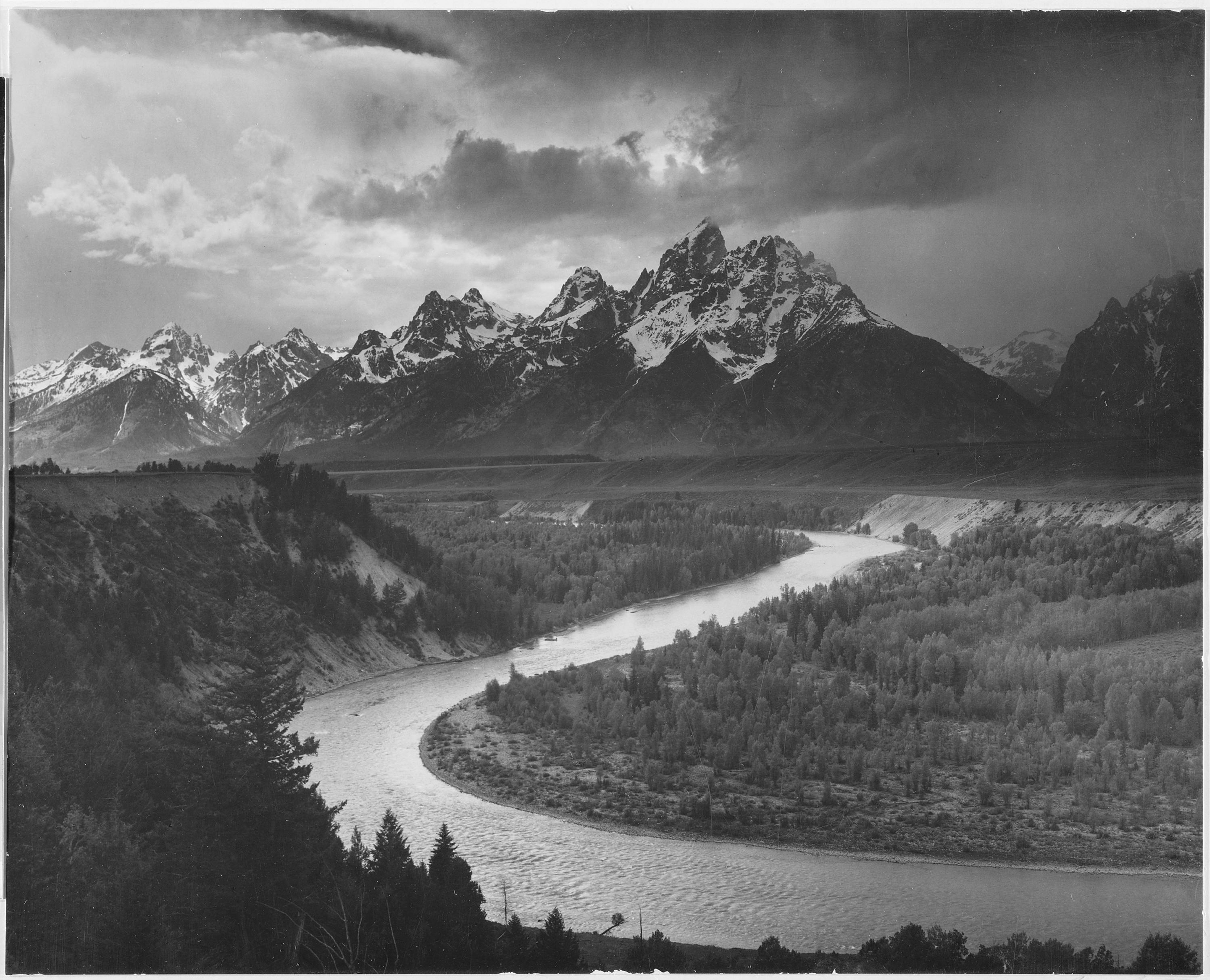
But for photographers like myself who wish they could see those same striking scenes in color, I think you’ll find inspiration in the work of Galen Rowell.
Rowell (1940-2002) was a landscape photographer who published in major outdoor magazines, most notably National Geographic, and his excellent color stills inspire a real sense of adventure. While I absolutely love looking at Adams’ work, it just doesn’t feel as immersive as when I admire Rowell’s.
For me, landscape photography is all about depicting the raw beauty of nature, and black-and-white photography just doesn’t do this to the same extent as color.
Granted, things like textures, leading lines, and layers in the scene are probably even better pronounced in black and white, but color images give me a sense of how it would feel to be standing where the photographer was.
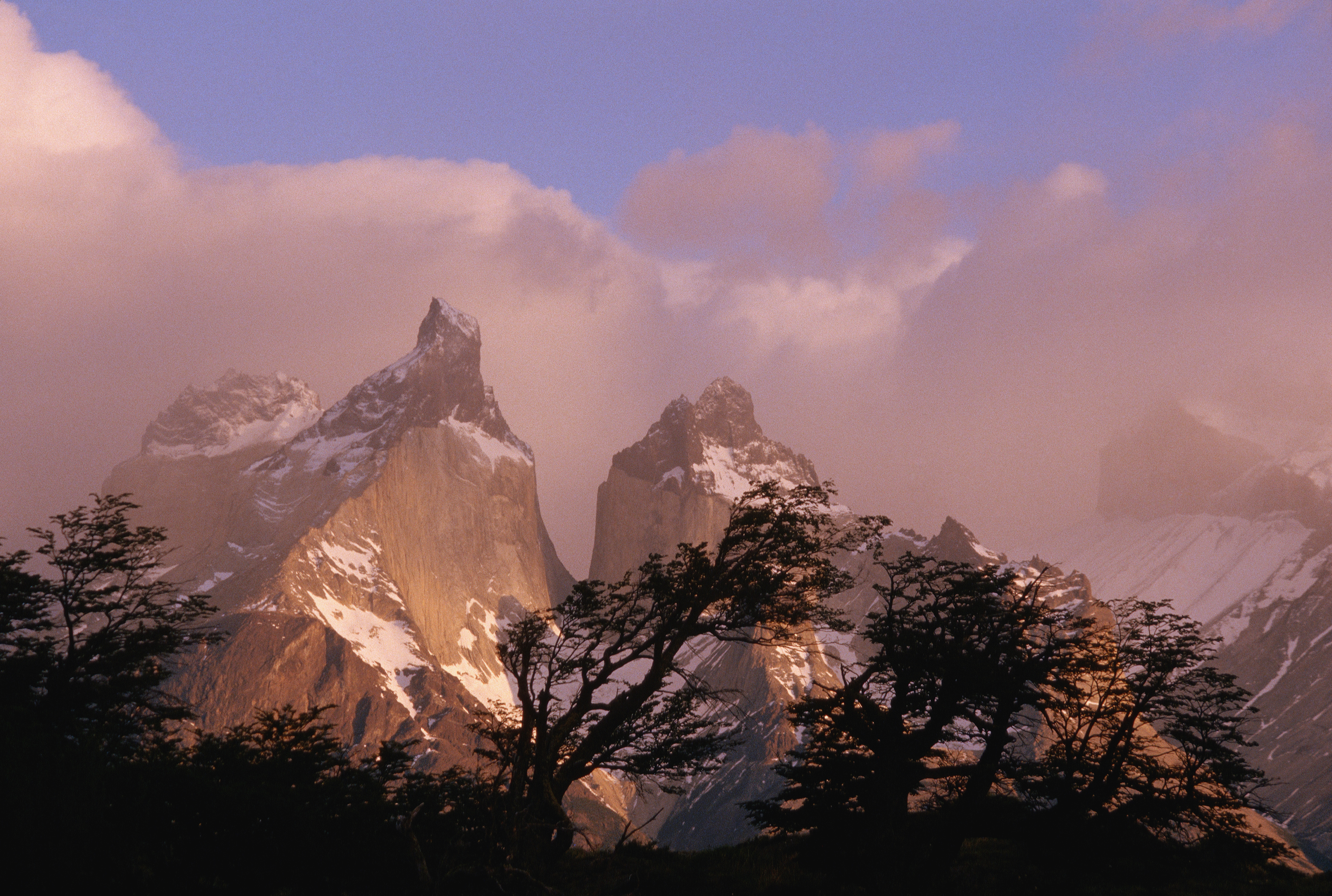
I’m not saying Rowell composed better images than Adams. On the contrary, Rowell was greatly inspired by Adams, even being dubbed the “35mm Ansel Adams.”
Rowell’s landscape photography, which often featured mountains, was seen by some as a modern evolution of Adams’ traditional monochrome approach. Born nearly 40 years after Adams, Rowell’s gear of choice was typically a portable 35mm SLR, like the Nikon F5. “Ninety percent of my best life’s work could have been made with a manual body, a 24mm lens, and a telephoto zoom in the 80-200mm range,” he once wrote.
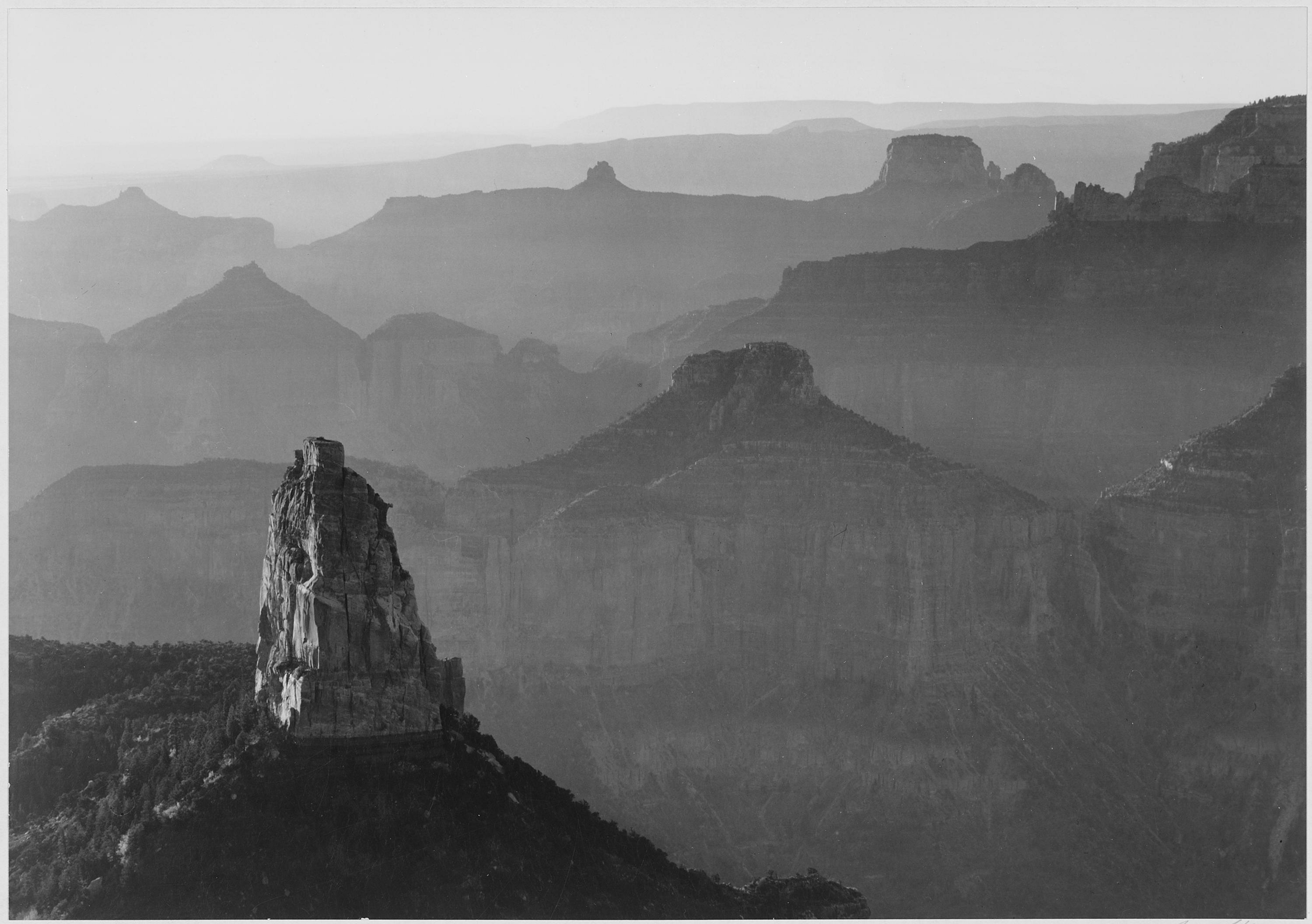
Interestingly, there are at least 3,500 color stills that Adams created, mostly on commercial assignments throughout the 1940s and 1950s, primarily with Kodachrome. However, he often found the process lacked the creative control and precision of black and white, calling it an “out-of-tune piano.”
Adams’ color photos aren’t that easy to come by, as the originals weren’t published until 1993, when a small selection was included in that year’s edition of his book, Ansel Adams in Color, which you can still buy. Of course, you can find digitally remastered color versions of his famous black-and-white shots all over the internet.
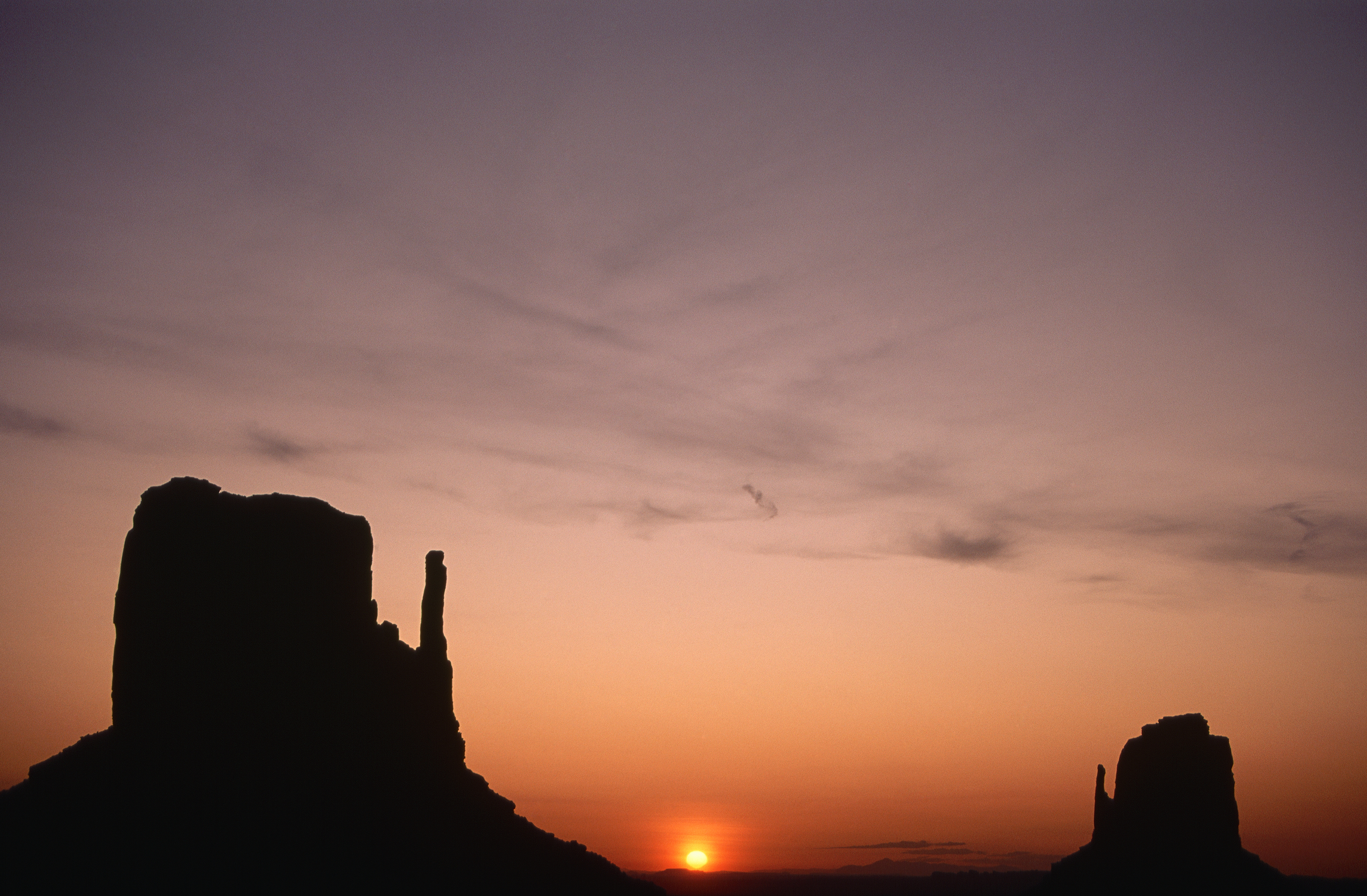
I find it fascinating that Adams saw color photography as a frustration rather than the gift it has been in enabling such rich and emotionally inspiring landscape photography. I wonder if he would’ve felt the same had he discovered photography in the digital age, when color was already the standard and black and white a niche.
Author: Alan Palazon
Source: DigitalCameraWorld
Reviewed By: Editorial Team