

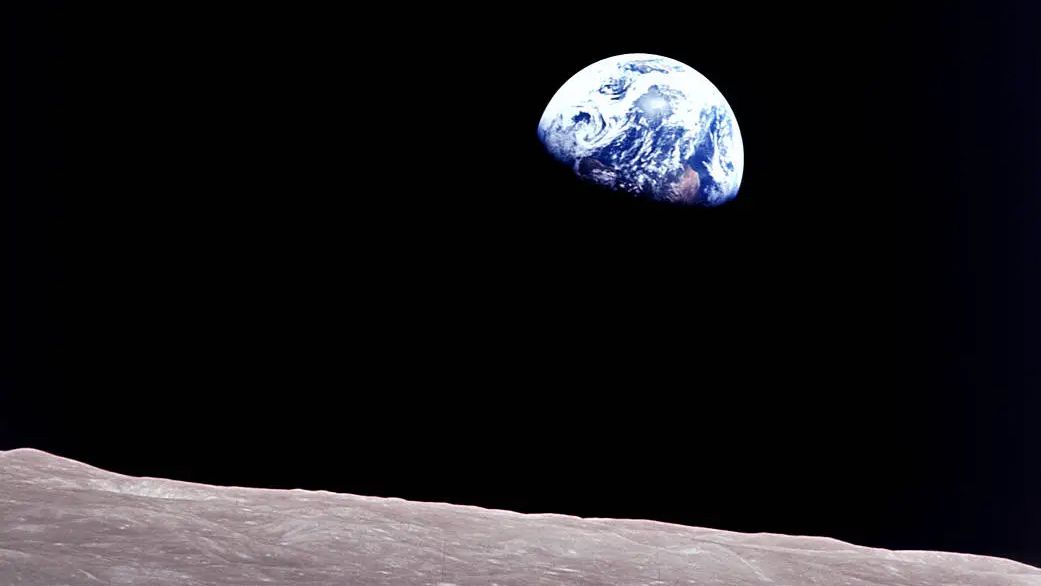
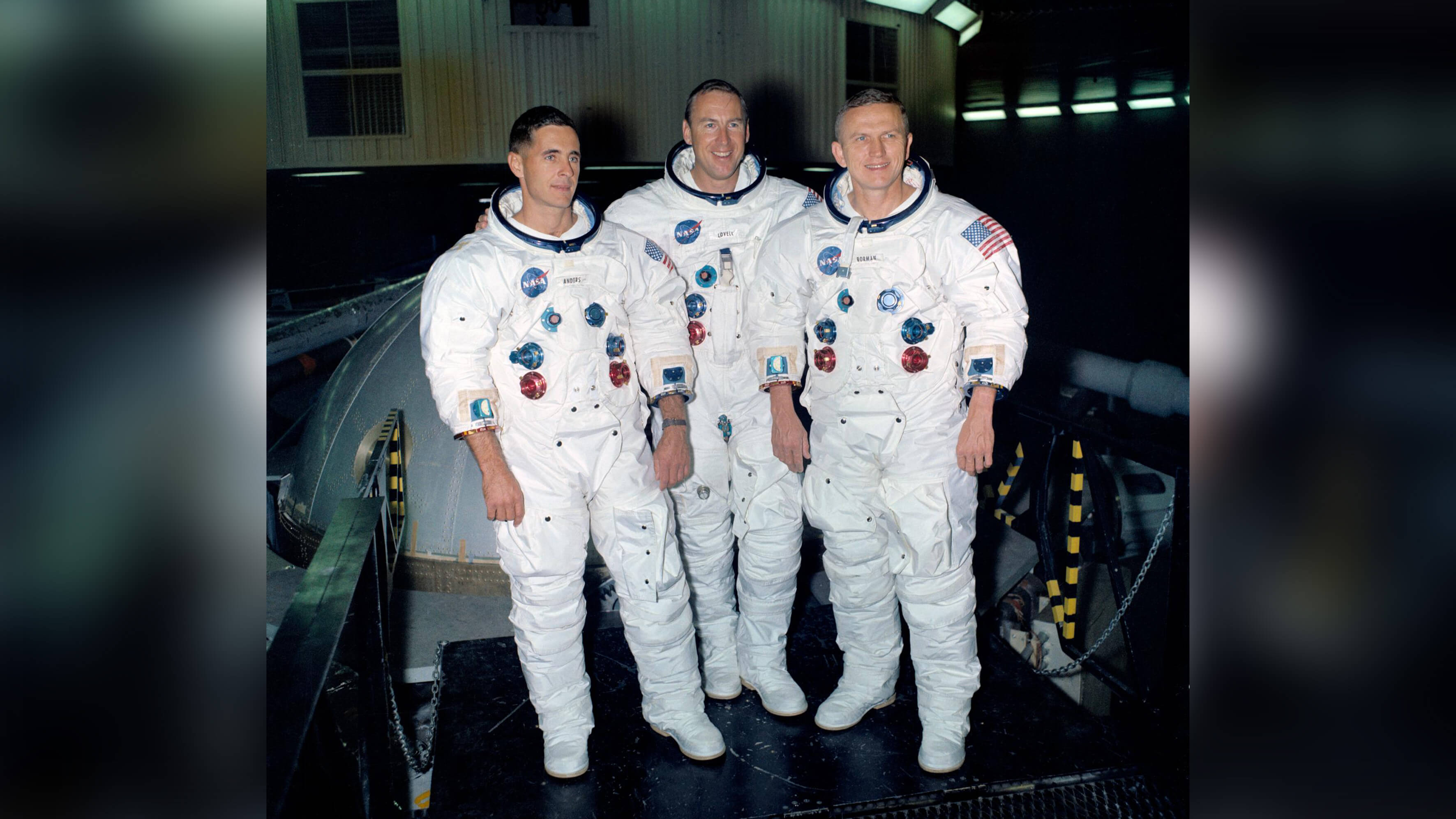
“Hurry, quick!” snapped William ‘Bill’ Anders, Apollo 8 lunar module pilot, as the spacecraft window he was looking out of rotated away from Earth. Just moments before, the planet had come into view, majestically rising above the barren, crater-ridden lunar landscape.
The Apollo 8 crew, which also included commander Frank Borman and command module pilot Jim Lovell, was completing their fourth orbit of the celestial body, but had yet to see the now-famous Earthrise.
However, on this rotation, everything, from the module’s orientation to the crew members’ positions, had aligned perfectly. “Oh my God, look at that picture over there!” Anders had gasped. “There’s the Earth comin’ up. Wow, is that pretty!”
Having just captured the first Earthrise photo with black-and-white film using a Hasselblad 500 EL and Zeiss Sonnar f/5.6 250mm lens, Anders wanted to immortalize the never-before-seen perspective of the planet in color, but he only had around a minute.
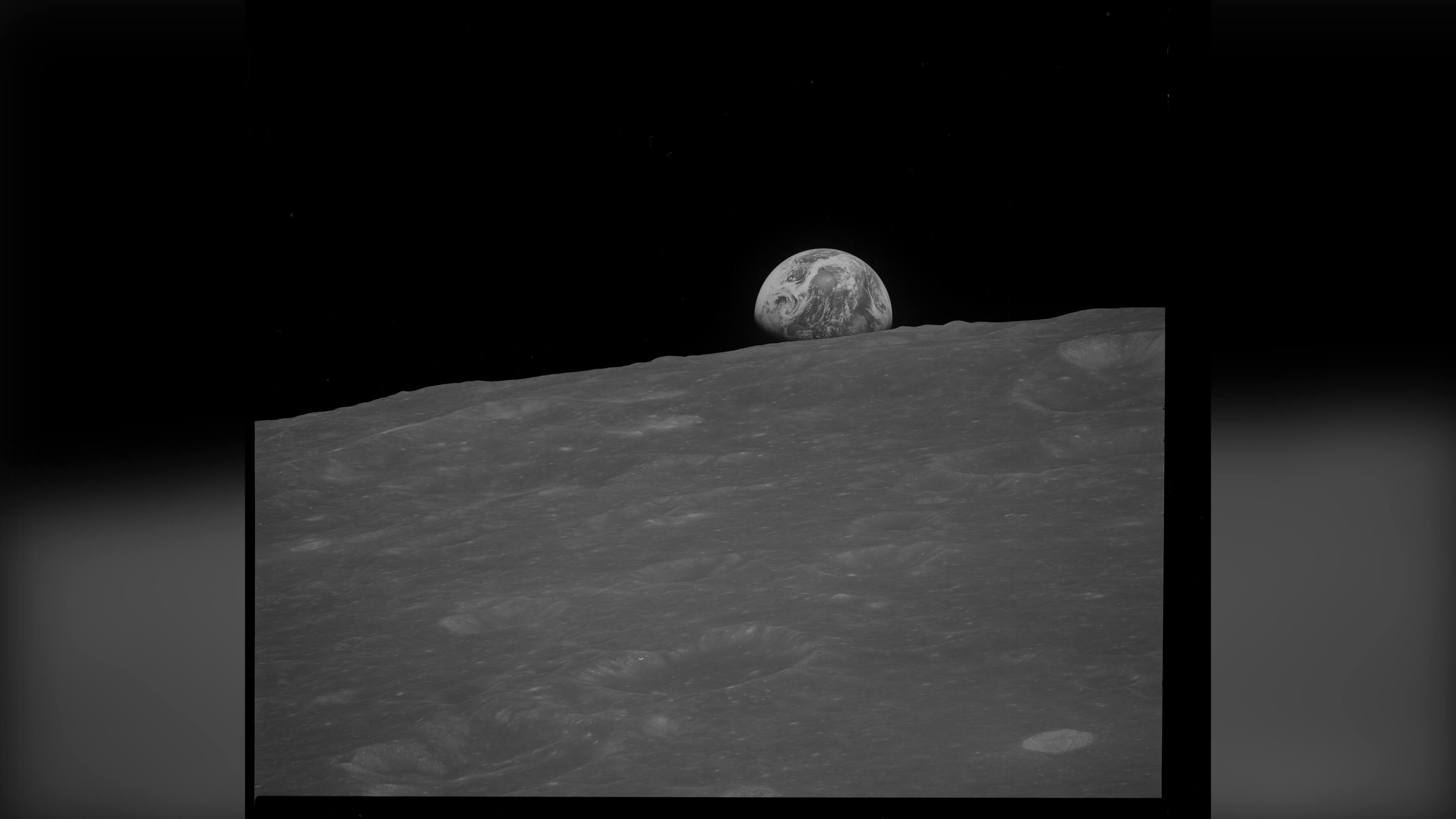
“Hand me that roll of color, quick, would you?” he sharply asked Jim Lovell. “Where?” replied Lovell, who had no idea where to look, and the Earth was quickly moving out of the frame of Anders’ lunar module window. “Just grab me a color, a color exterior,” Anders tensely reaffirmed.
“Yeah, I’m lookin’ for one,” Lovell shot back. Then, seconds later: “Here”, as he passed Anders the film while calling “C368”, its NASA inventory code.
But the moment had gone. Lovell’s valiant effort to dig out the color film had taken too long, and Anders’ majestic view of the planet had been replaced by the endless black expanse of space. “Well, I think we missed it,” he sighed.
Then, after what seemed like an eternity of anticlimactic silence, Lovell ecstatically claimed: “Bill, I got it right here,” as, by chance, the Earth reappeared in another of the lunar module’s windows. “Bill, I got it framed, it’s very clear right here,” he almost shouted in excitement.
“Take several, take several of ’em,” Lovell commanded as Anders quickly moved into position, who had to tell his colleague to “calm down” in the process. But Lovell knew the moment was again passing: “250 at f/11,” he said, before blurting: “Now vary the exposure a little bit.”
Two clicks of the shutter later and Anders had captured the iconic Earthrise frame. Everyone on Earth would now get to see this unbelievable perspective of the planet that, otherwise, only these three astronauts would ever have seen.
Now, I’m not saying you need to plan every single shoot to a tee. After all, the Earthrise image turned out fine. Well, more than fine, as it went on to become one of the most reproduced and recognizable photos of all time.
But if there’s one thing we can take away from this incredible, funny and history-making story, it’s that, as a photographer, it pays to be prepared. And, depending on your shoot, that could even mean having an extra roll of film (or memory card, for digital photographers) within arm’s reach.
Author: Alan Palazon
Source: DigitalCameraWorld
Reviewed By: Editorial Team