


When a sea turtle was spotted on the sand at a California beach this week, beachgoers immediately called a lifeguard over for help. But instead of an injured turtle, authorities found the first-ever documented case of a sea turtle nesting on the West Coast of the US. Photos prove that more than one mother turtle is nesting much farther north than usual.
On September 16, a sea turtle was spotted laying eggs near Saal Beach in Orange County, California. The National Oceanic and Atmospheric Administration called the sighting the “first-ever recorded natural nesting for any sea turtle species on the US West Coast.”
Posted by NOAAFisheriesWestCoast on
But then, a few days later, another olive ridley sea turtle was spotted building a nest a few miles away at Huntington Beach Pier. At first, authorities weren’t sure if the turtle from both beaches was the same one, as olive ridleys are known to lay multiple nests in one season.
Now, an analysis of photos from both beaches suggests that those nests come from two different turtles. Research biologist Dr. Cali Turner Tomaszewicz analyzed photos of the two turtles and compared the shape and pattern on the turtles’ shells, confirming that the two nests are from two different mothers.
Posted by NOAAFisheriesWestCoast on
While two turtles were spotted laying eggs on the West Coast for the first time, researchers aren’t sure if the occurrence is an anomaly or a potential sign that the olive ridley turtles are expanding their usual nesting grounds.
The species is known for coming on shore at the same time, with mass nesting bringing thousands of turtles to the same beach – typically in Costa Rica and Mexico. The California sighting is the farthest north that the turtles have been spotted building nests.

A number of theories are circulating as to why the turtles have built nests much farther north – one of them being the warmer waters triggered by El Niño.
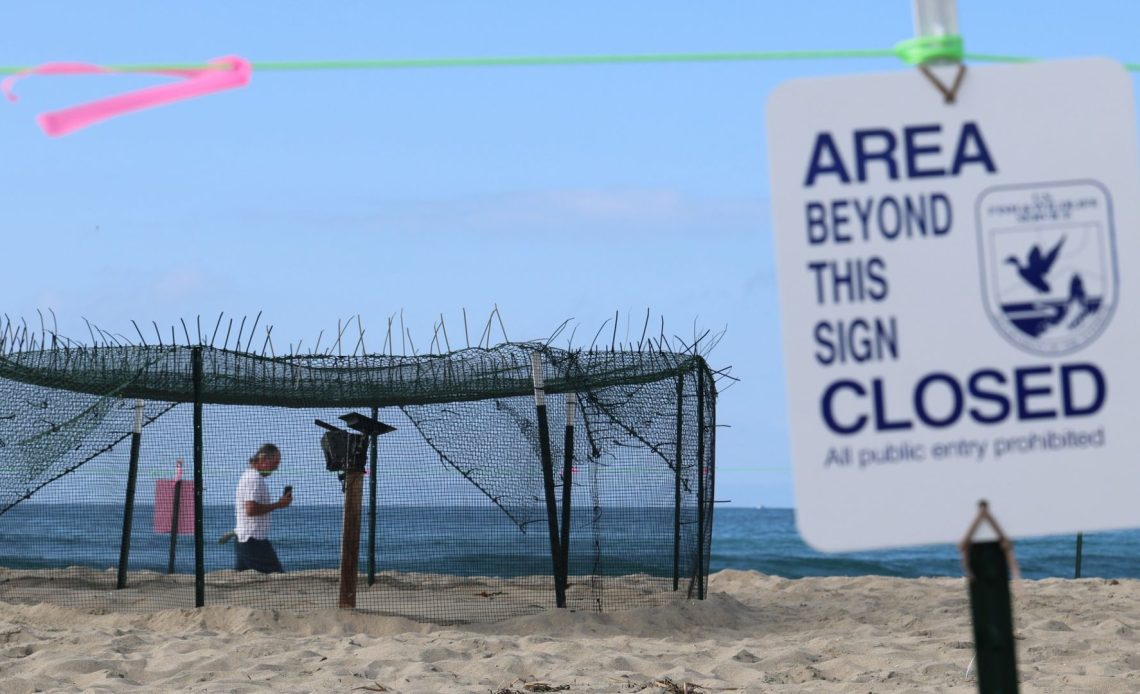
The two nesting areas have been closed off to the public to protect the eggs, while multiple government agencies and organizations will monitor the nesting sites.
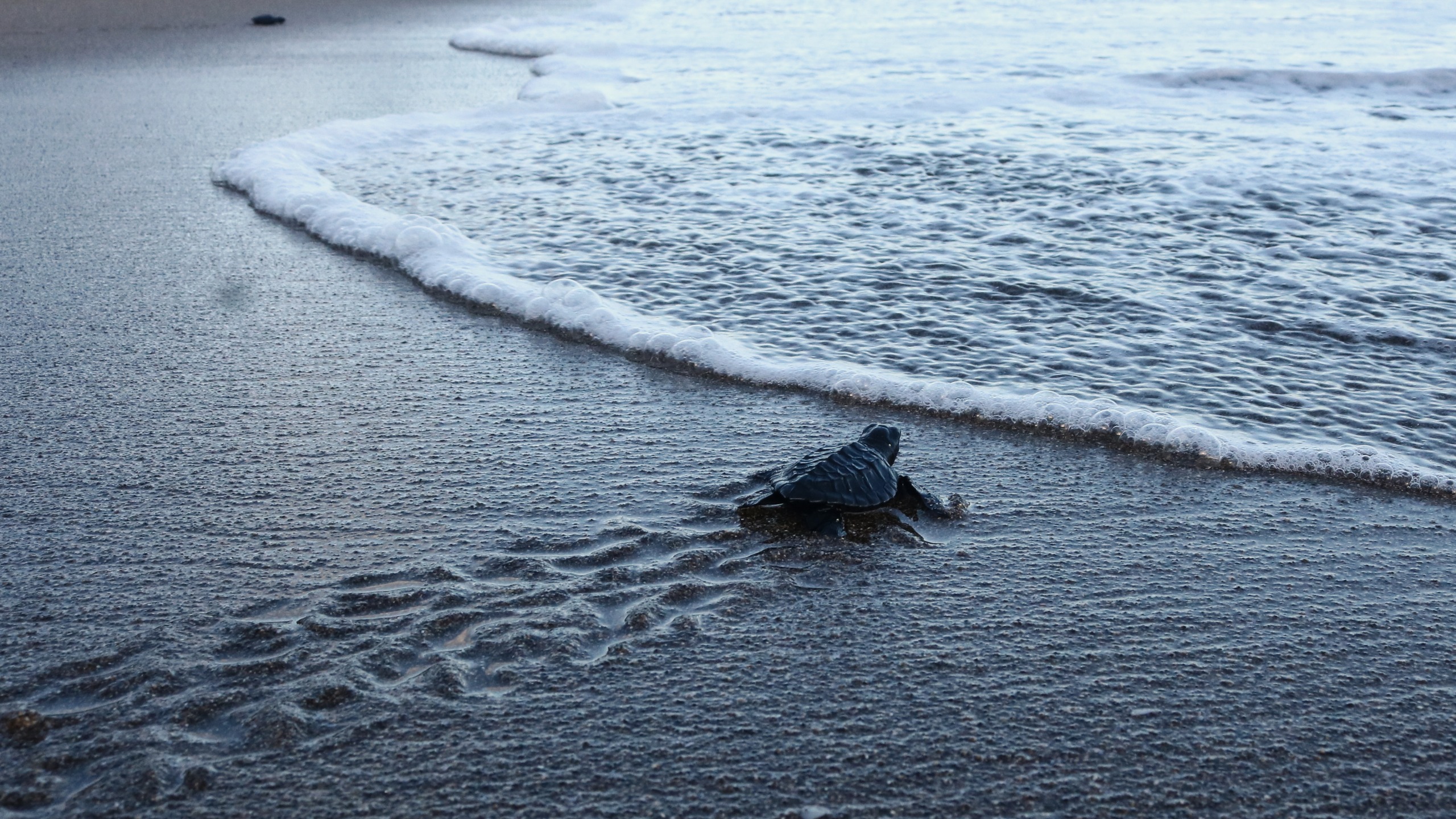
The olive ridley turtle female typically builds one to three nests each year, with each clutch averaging about 100 eggs. While the species is one of the smallest sea turtles, the olive ridley is one of the more abundant species.
NOAA says the public can help by reporting any West Coast sightings and avoiding the nesting sites.
Author: Hillary K. Grigonis
Source: DigitalCameraWorld
Reviewed By: Editorial Team
