

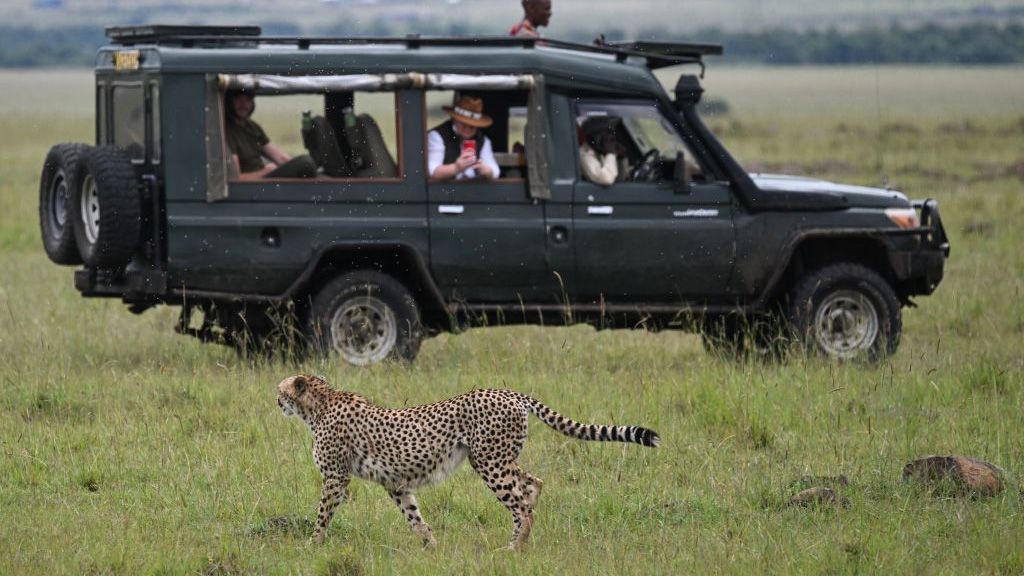
There have been headlines recently about a ruling by the Indian Supreme Court banning camera phones in core tourism zones of the country’s tiger reserves.
According to The Times Of India, the ruling was passed late last year and deemed the devices – and the behavior they elicit from users – too dangerous for tourists and wildlife.
Among the main concerns of the Indian authorities and safari personnel are tourists taking selfies with animals and geotagging images on social media – which alerts swathes of rumbling 4x4s packed with people to the scene, known as “safari jams”.
A post shared by NDTV (@ndtv)
A photo posted by on
Since the ruling, at least two of India’s major tiger reserves – Ranthambore National Park and Sariska Tiger Reserve, both in the state of Rajasthan – now force tourists to hand their phones over to guides or drivers, who lock them away with no exceptions of taking them out before the end of the safari.
Banning smartphones in wildlife reserves would undoubtedly help solve the issues at hand. But, to me, it doesn’t make sense to create rules based on the type of camera you use rather than the behavior of safari-goers as a whole.
After all, photographers with a mirrorless camera can also share their images on social media and take selfies with animals, albeit nowhere near as easily – but my point is that the impact of a photo is the same regardless of the device on which it’s taken.
A post shared by BBC News India (@bbcnewsindia)
A photo posted by on
The Supreme Court of India ruling came at a vital time as tiger populations in the country reportedly doubling in the last decade.
And surely, if anything, higher-quality images from dedicated photographers with “proper” cameras inspire more people to overcrowd wildlife hotspots than low-quality “amateur” photos taken on smartphones.
With this in mind, even as a photographer myself, I’m inclined to argue that film, DSLR and mirrorless cameras should be off the cards too.
Where I think the Indian authorities – and authorities worldwide, for that matter – need to focus is on ensuring strict rules around limiting the number of tourists and the minimum distances they keep from animals.
This way, instead of determining who gets to take photos, the rules would simply determine the quality of them, while also stopping stupid tourists from invading animals’ personal space.
Want high-quality images of the species you saw? Then invest in the right camera gear; it’s that simple. Otherwise, enjoy the animals from a zoomed-out distance, or else face criminal charges. That’s my view, anyway.
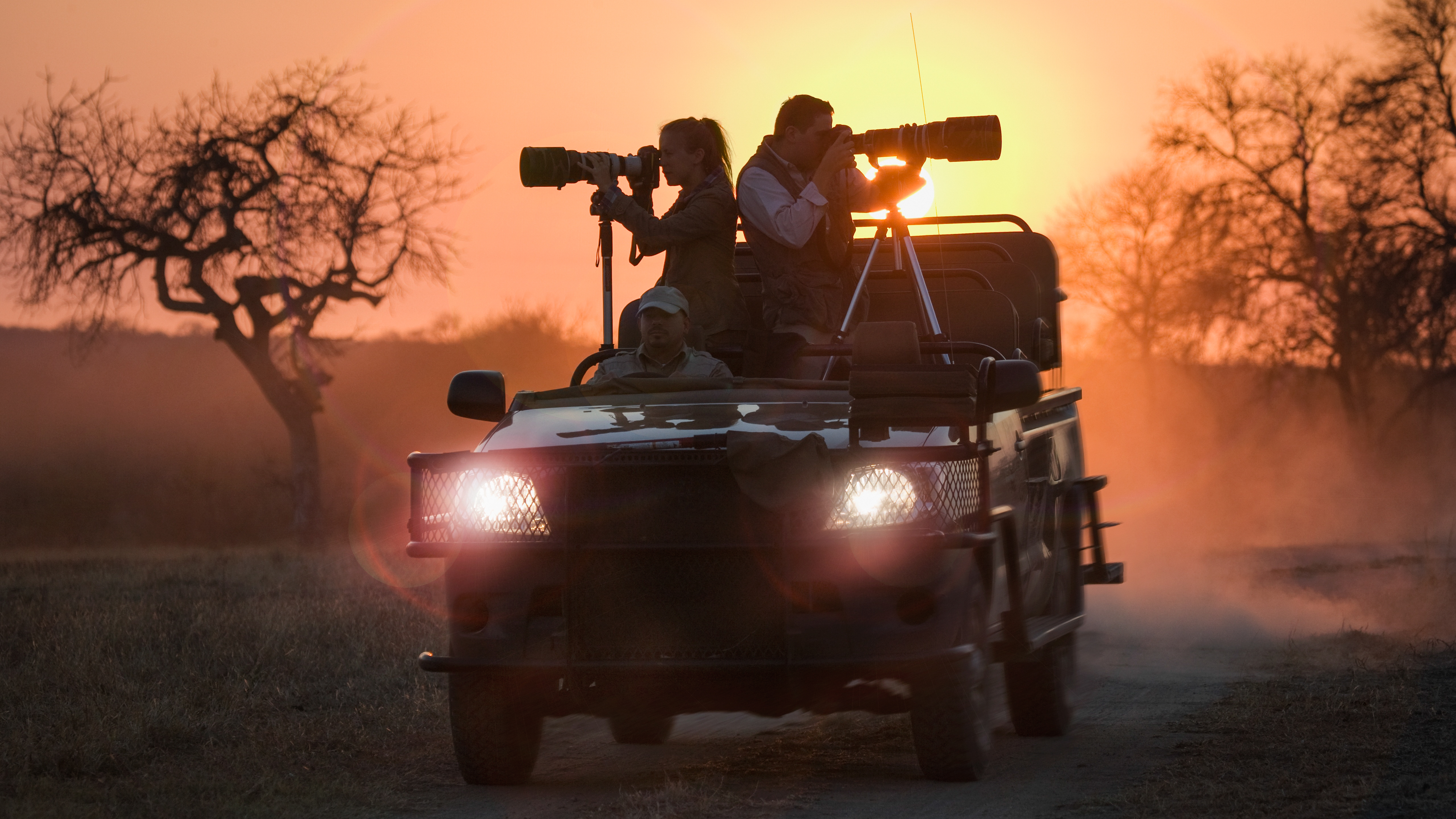
Do rules like this truly solve the problem of geotagging and subsequent “safari jams”? I guess not, and I’m not sure what the ultimate solution to this would be, but the newly introduced rules in India don’t solve it, either.
If you’re not stopping crowds of people – average safari-goers and professional wildlife photographers alike – from getting close to the animals, then you’re not championing animal welfare, which is what this whole discussion fuelled by the Supreme Court ruling in India is about.
As photos shared on social media, whether taken on smartphones or professional cameras, continue to influence safari tourism and animal welfare, we’re either going to have to completely ban cameras as a whole from wildlife reserves, which, in my opinion, would be a step in the wrong direction, or stop people from getting close to animals, regardless of the camera they use.
I’m curious to know what you think…
Author: Alan Palazon
Source: DigitalCameraWorld
Reviewed By: Editorial Team