

Most of us have a ton of photos that we never look at. They may be stored digitally, tucked away on an ageing hard drive. Or they may simply exist as negatives, gathering dust in a shoebox. Either way, you haven’t looked at them for years, and you don’t really want to. Because, to be honest, you remember them not being very good.
We all have that very human response to stuff we did a while ago. Personally, as a writer, I shudder to think of the nonsense I was churning out 10, 20, 30 years ago. But every now and again, something I penned back then gets resurfaced online. And blow me down, it often turns out to have been pretty good.
That seems pretty much what happened to Dave Jordano. In early 1972, aged 24, he was a photography student at the Center for Creative Studies in Detroit. He spent around a year roaming the city and its environs with a 35mm film camera, but printed very little of what he shot. He kept the negatives, sure, but ultimately put them to the back of his mind for several decades.
When he uncovered them in 2013, though, he was surprised to find a substantial, impressive body of work. A selection of these shots has since won All About Photo’s Solo Exhibition competition. Titled The Year I Arrived, it’s exhibiting online on the All About Photo website throughout October.
A city a’changing
Looking back at these pictures now is a heady experience. Back in 1972, Detroit was still Motor City. Five years on from the 1967 riots, big societal changes were afoot. Yet Jordano’s shots don’t focus on any of that, at least not directly. Instead, his lens gets close to people going about their ordinary day.
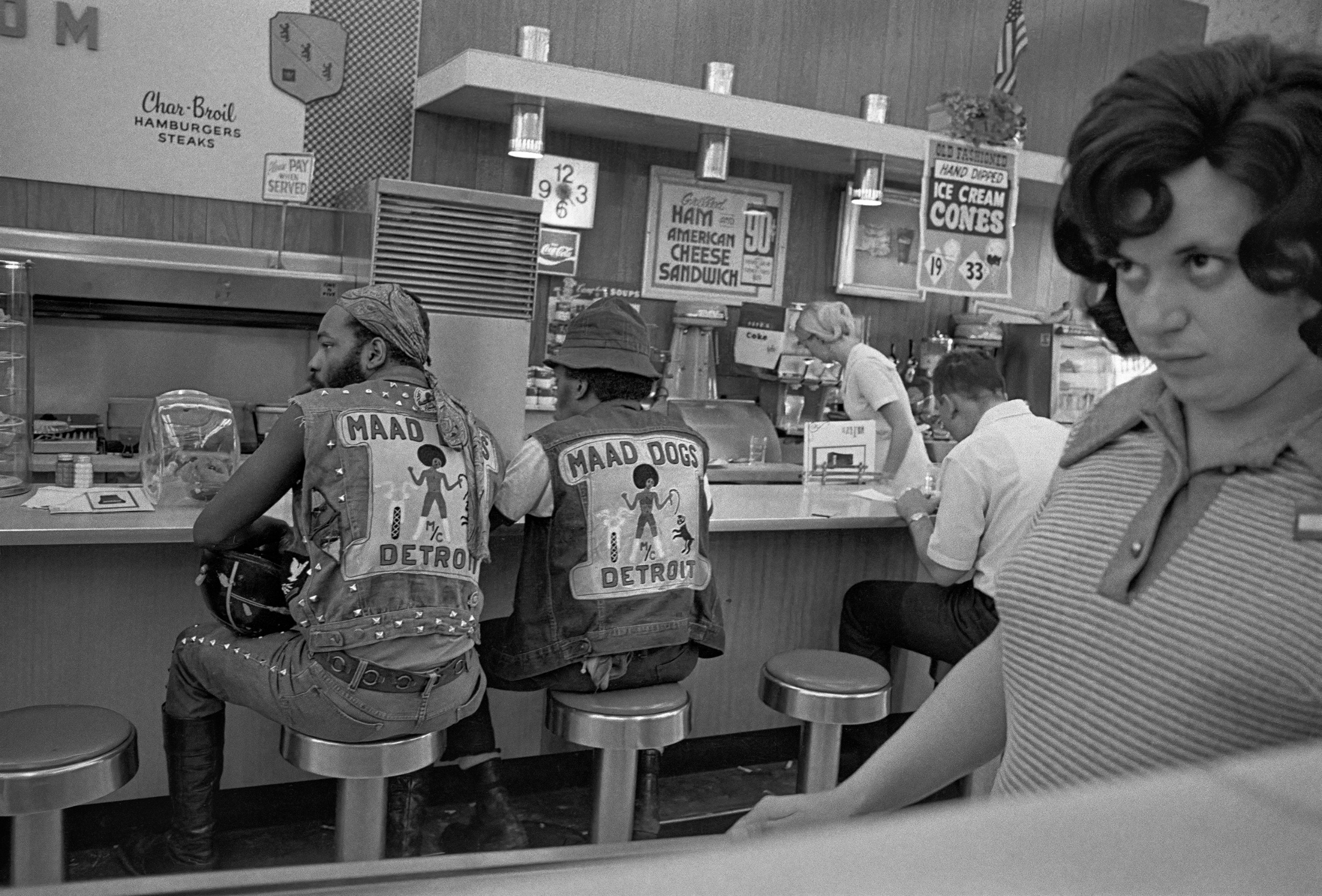
At a lunch counter, two members of a motorcycle club sit with their backs to the camera, their customised vests dominating the view, while a waitress in the foreground shoots the camera a look that tells you exactly what she’s thinking.
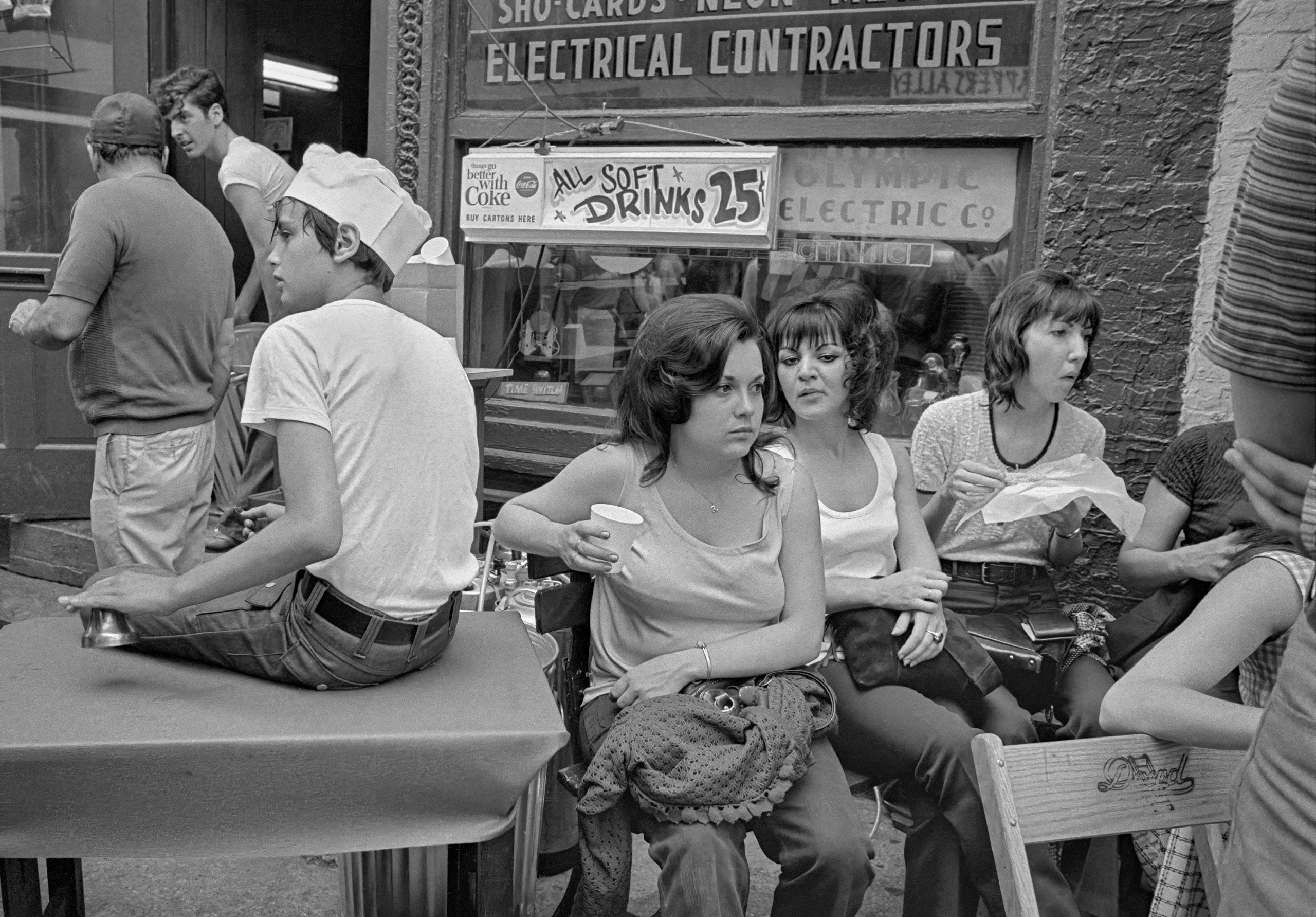
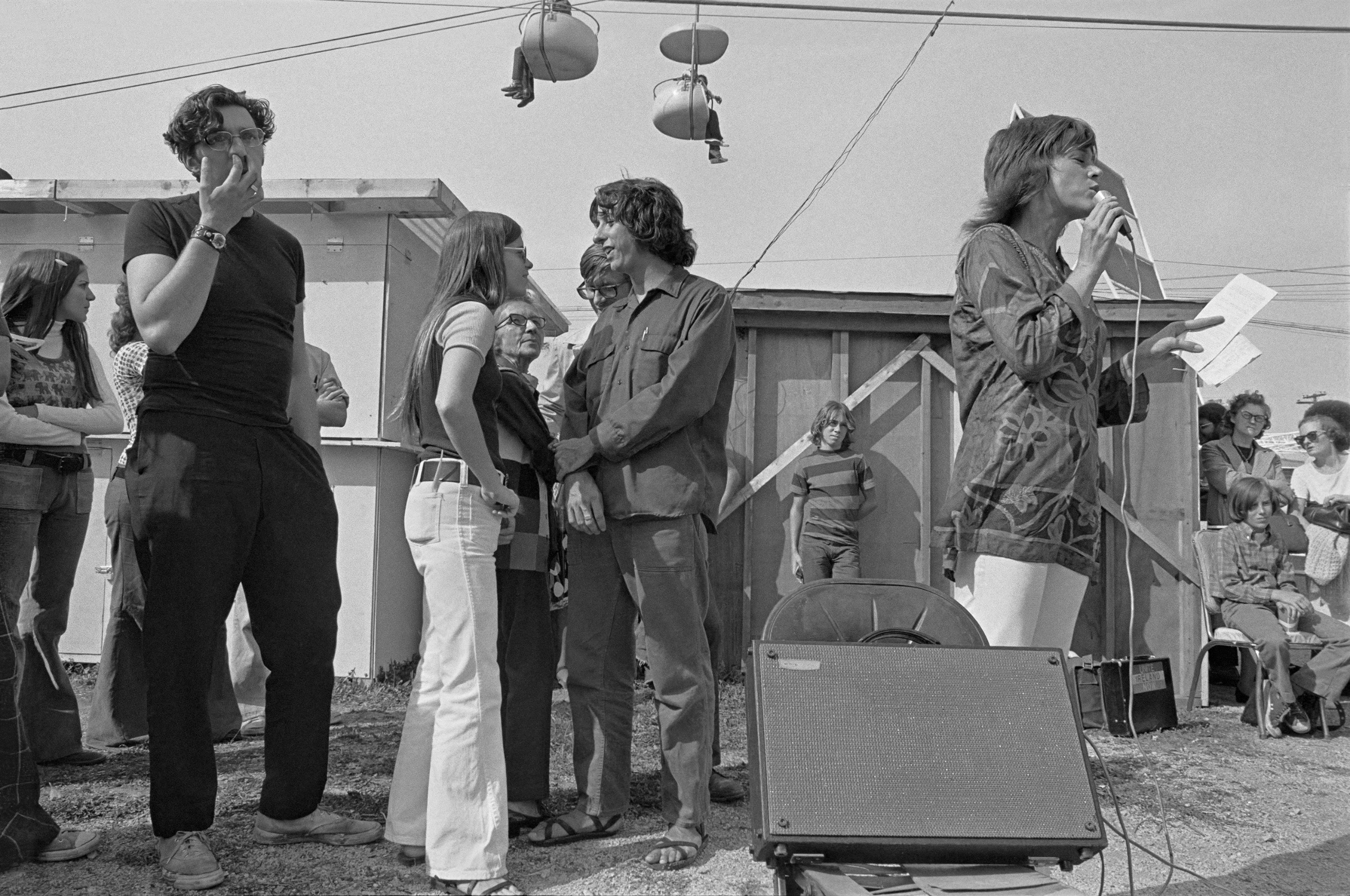
In Greektown, a group of young women sit outside an electrical store, with a hand-painted sign advertising soft drinks for 25 cents, all lost in thought. At an anti-war rally, a young Jane Fonda speaks into a mike while fellow activist Tom Hayden chats in the crowd and fairground ride seats dangle overhead.
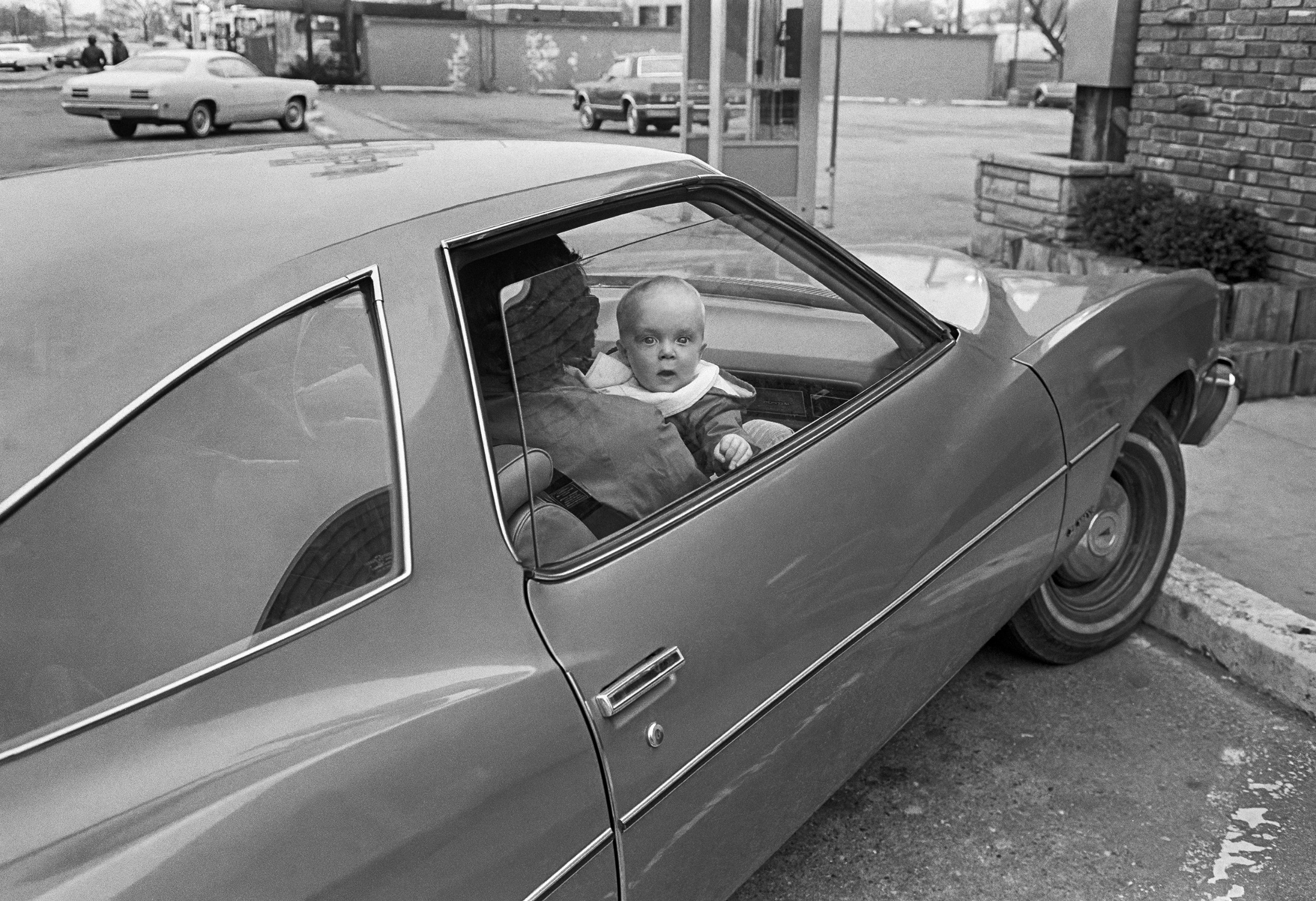
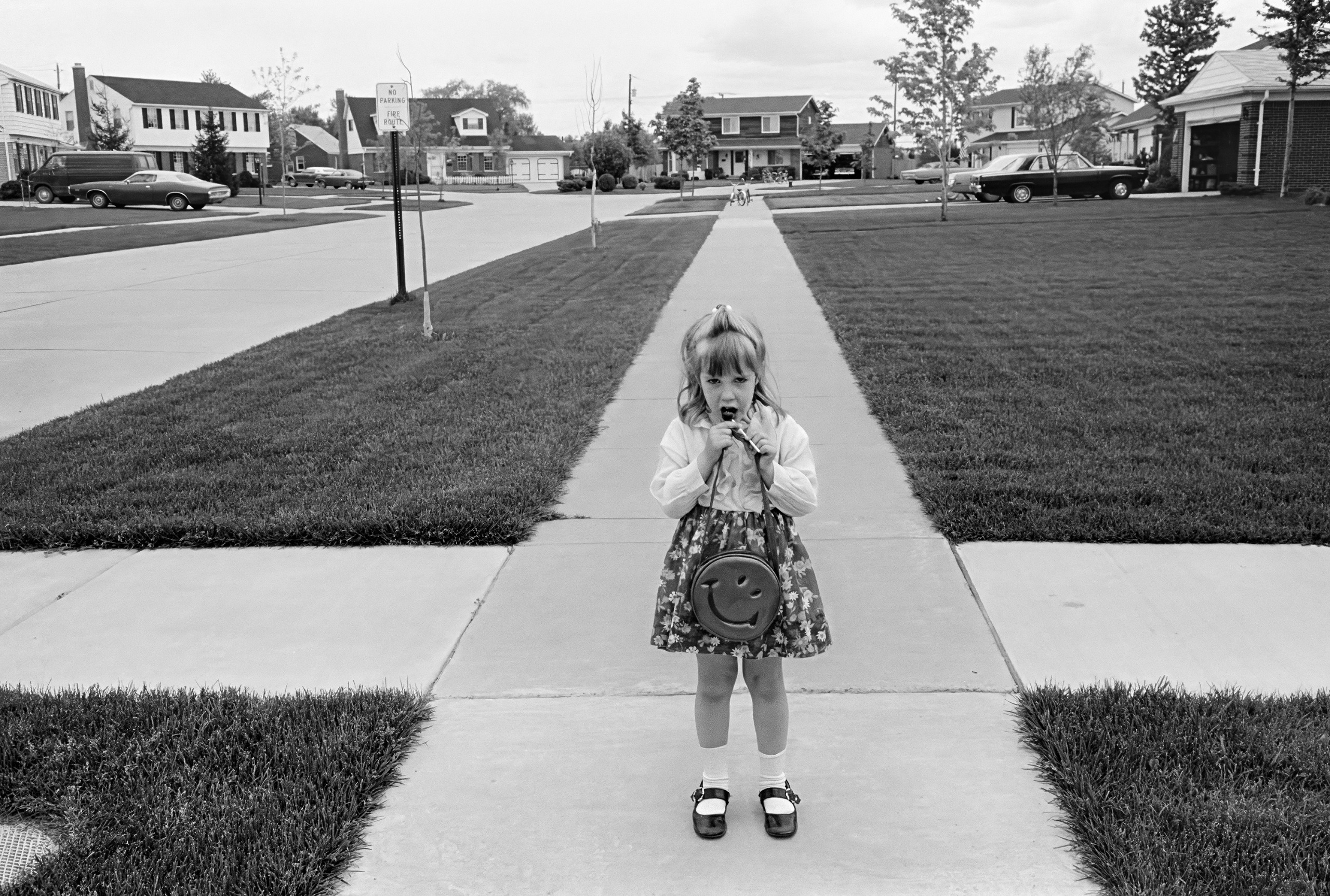
Then there are the suburbs. In Sterling Heights in 1973, a small child clutching a purse stands on a sidewalk flanked by freshly laid lawns and spindly new trees. It’s an image of a child, but it also points to where a lot of inner Detroit residents were heading at the time.
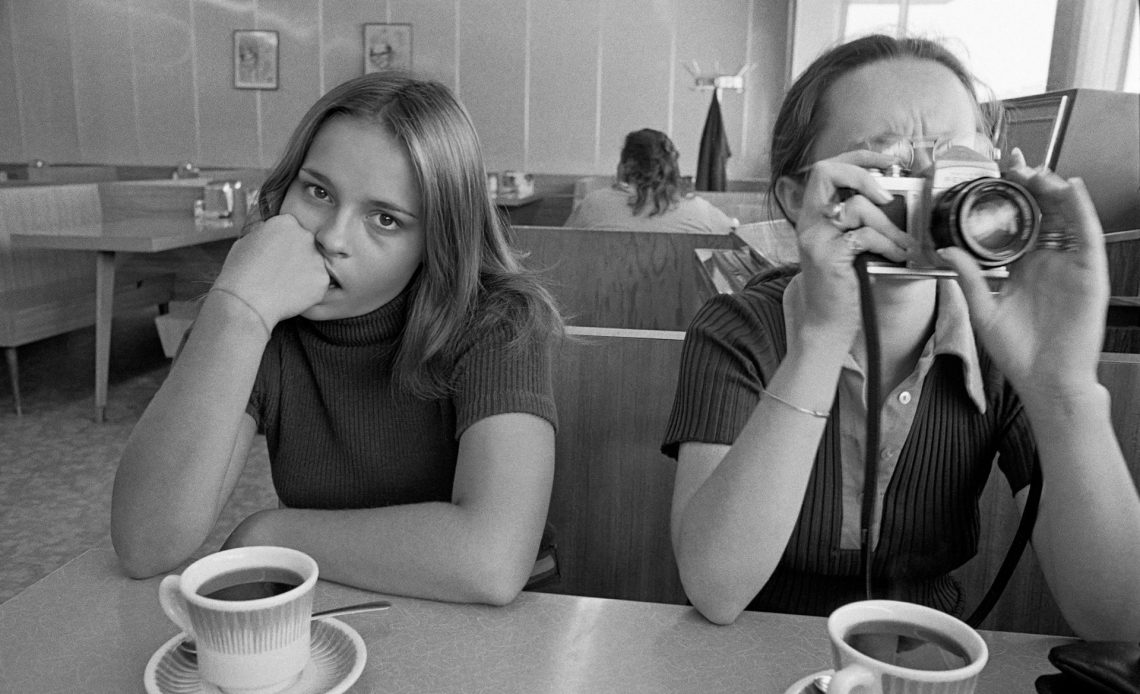
The lead image is the one I love most. Coffee Break, shot in the Michigan town of Bad Axe in 1972, shows two young women in a diner booth. One has a look of total boredom, fist pressed to her mouth. The other has a 35mm camera clamped to her face. And it tells you a lot about what makes these pictures work.
Jordano wasn’t sneaking shots from a distance. His subjects knew he was there. Many of them look right down the lens. And that level of directness gives these images an atmosphere that much street photography lacks.
What we can learn
So what happened next? Well, you might say life got in the way. Jordano graduated in 1974, set up a commercial studio in Chicago in 1977 and spent years shooting advertising for clients including Starbucks, Kellogg’s and Nintendo.
Later he built a second career as a fine art photographer, publishing books including Detroit: Unbroken Down and winning the $50,000 AIMIA-AGO Photography Prize in Canada.
By the time he looked at the negatives again, aged 65, he’d had a wide range of life experiences. Consequently, he judged them from an entirely different perspective than he’d had at 24.
The lesson is simple, yet profound. Your early work may not be as bad as you remember. In fact, it might be incredible. So dig out that box, that hard drive. If it’s awful, at least you’ll realise how far you’ve come. And if it turns out to be better than you expected, well, the sky’s the limit.
Author: Tom May
Source: DigitalCameraWorld
Reviewed By: Editorial Team