


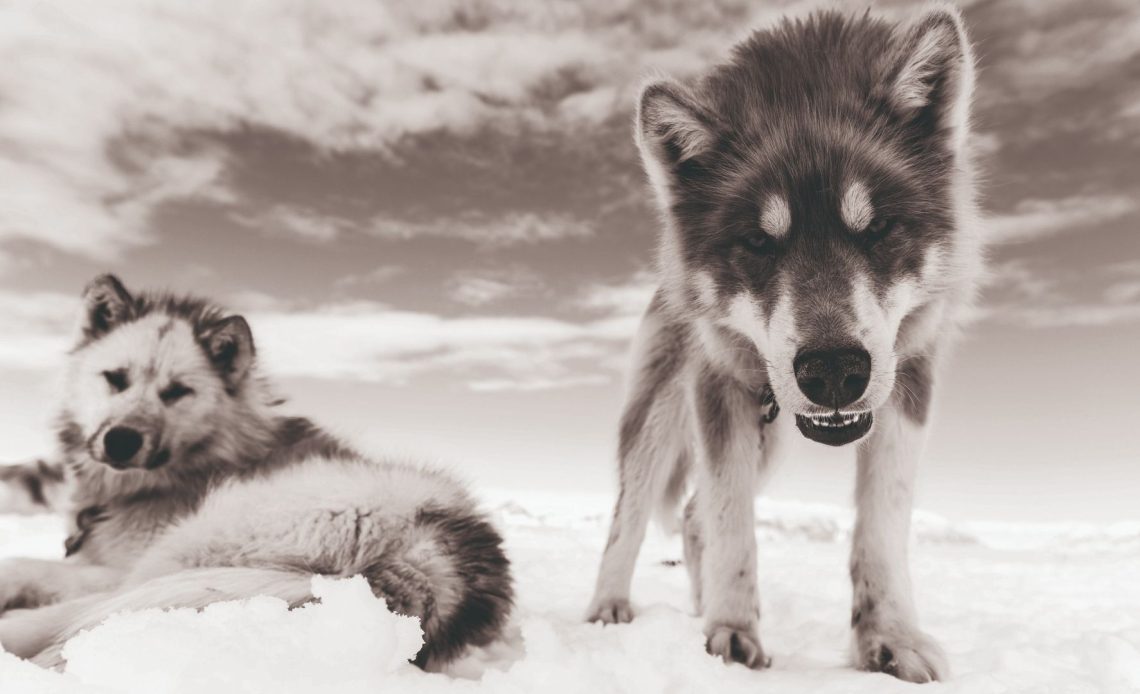
On one of her early trips to Baffin Island in the Canadian Arctic, wildlife photographer Guadalupe Laiz misread a warning from one of the sled dogs that she’d come to document. The dog’s teeth closed on her hand and leg, and the healing that followed was slow and painful.
“The scar etched into my hand remains today; a permanent reminder that these animals are not pets, and their trust must be earned,” she writes.
For a while afterwards, she couldn’t imagine going back. But she did, and the results are collected together in a new book titled Echoes of the Pack, published by Images Publishing.
The culmination of a project that took up over three years of her life, it’s a portrait of the sled dogs that have partnered with Inuit communities for generations.
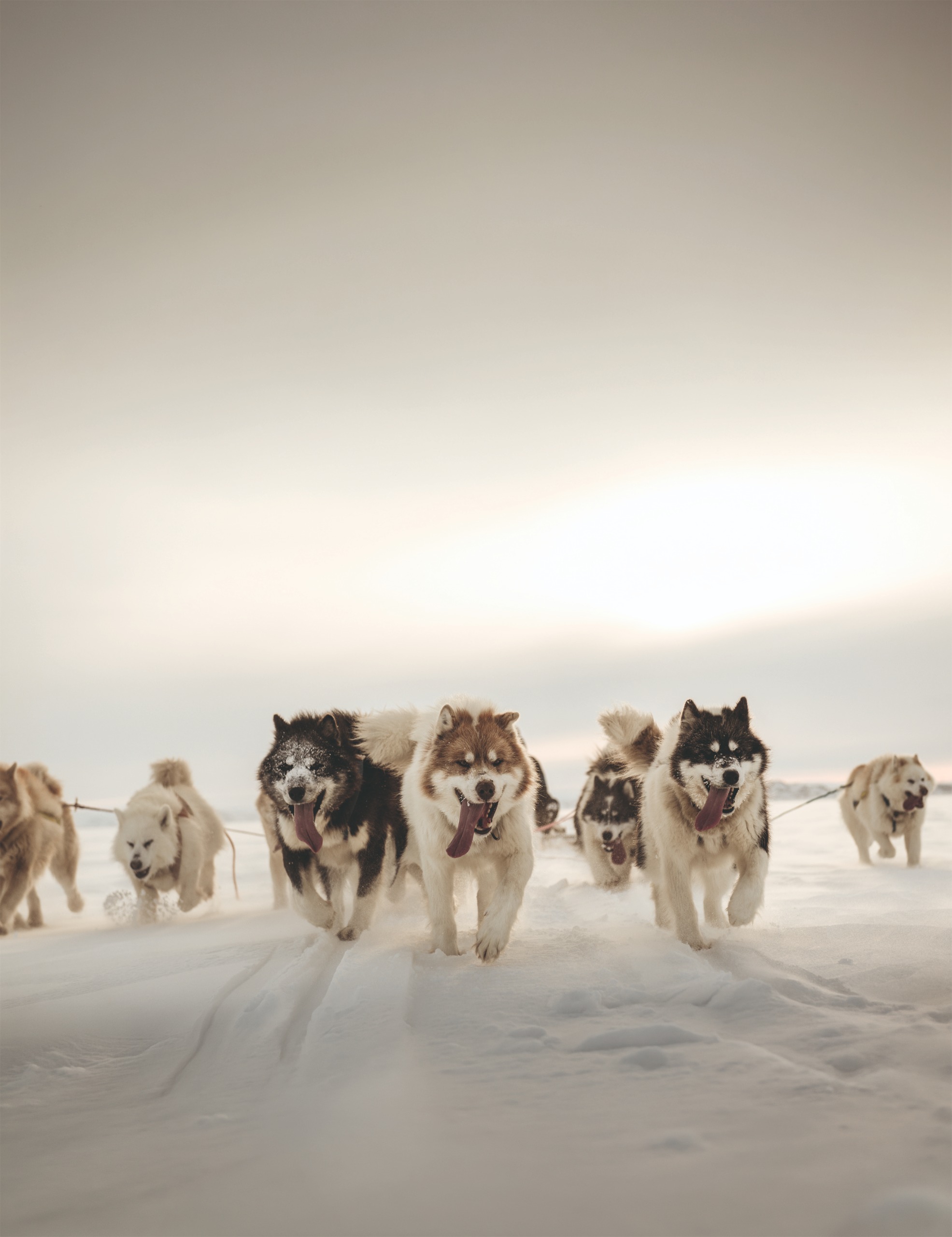
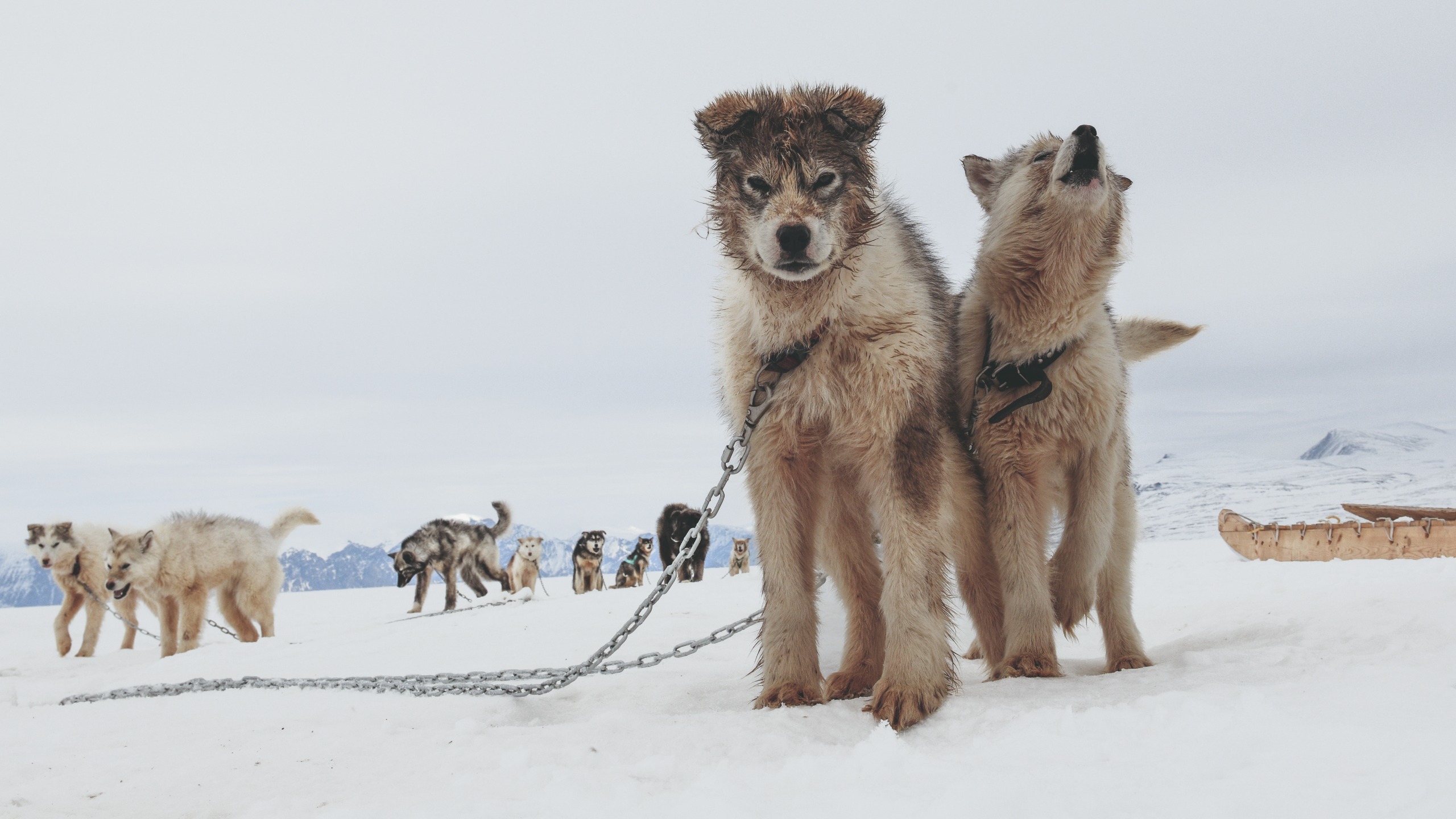
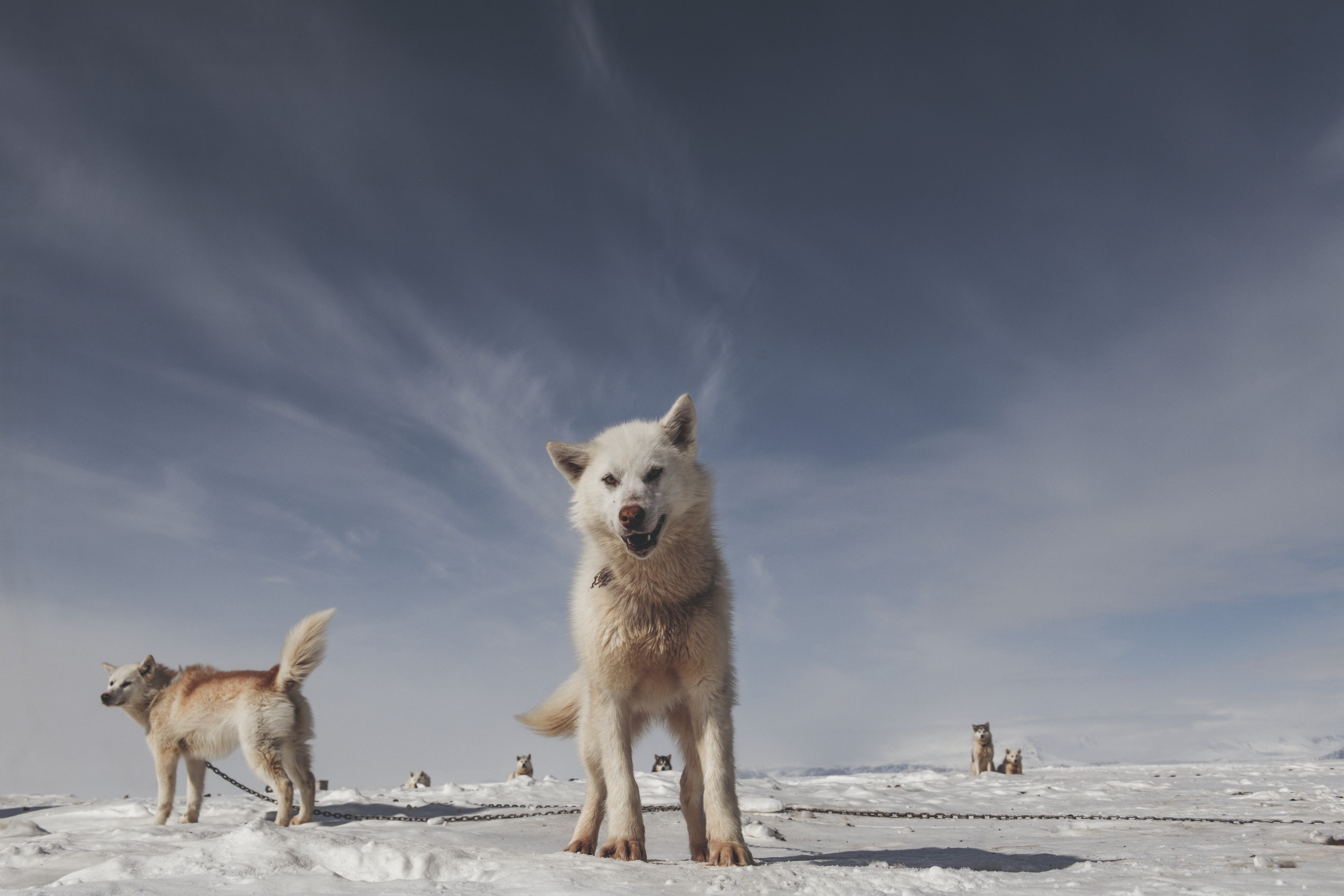
In particular, it focuses on the dogs farthest from town, tethered to the sea ice in prolonged isolation, whose lives are largely unseen and rarely photographed.
What’s striking about these images is how personal they feel. Many of them are shot low and close, at the dogs’ eye level; her intention was to meet each one “as a singular being, with its own temperament and story”.
During the Arctic spring, when the sun barely sets, she often stayed beside the dogs through the night, listening to their breathing and their howls.
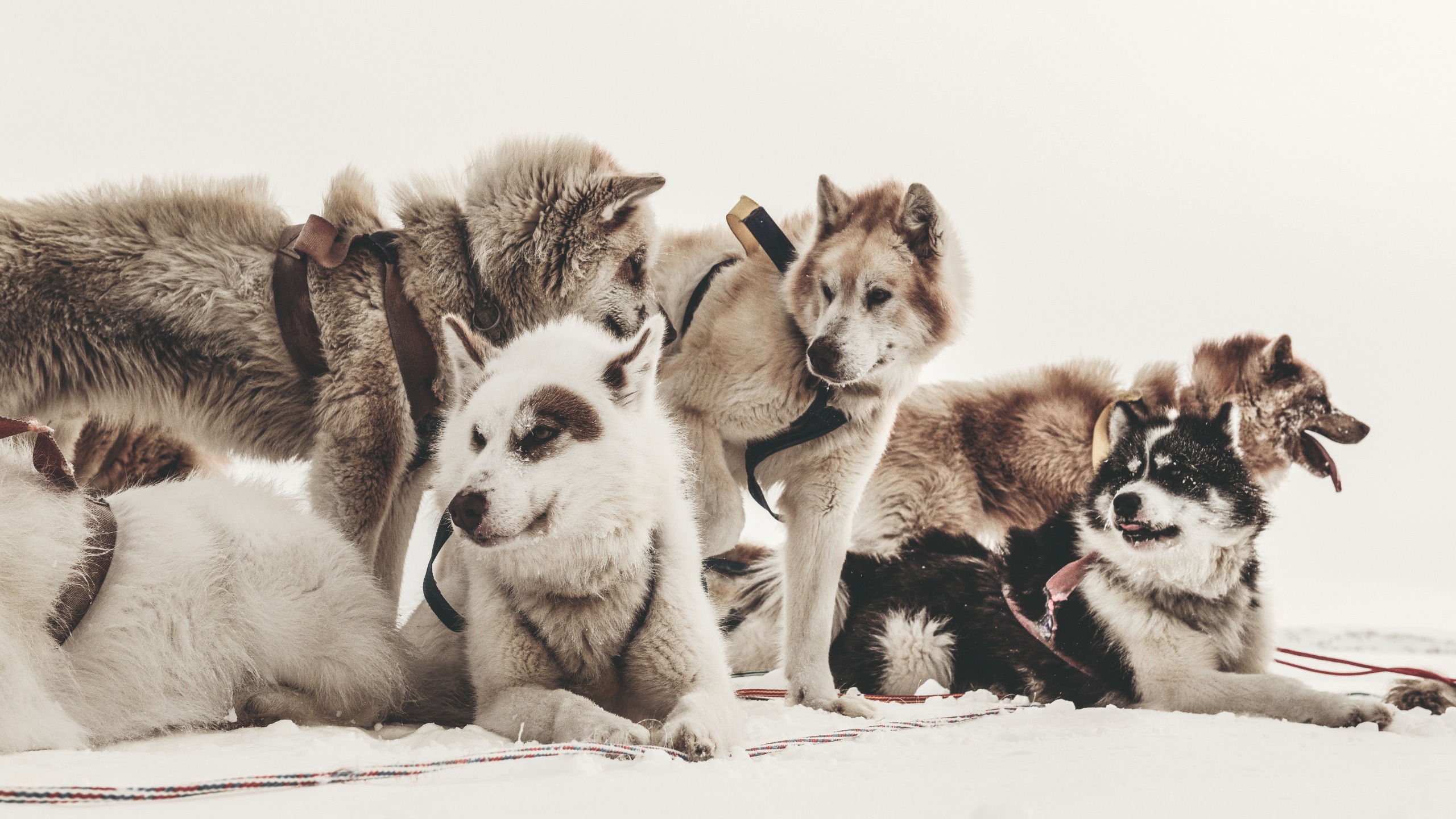
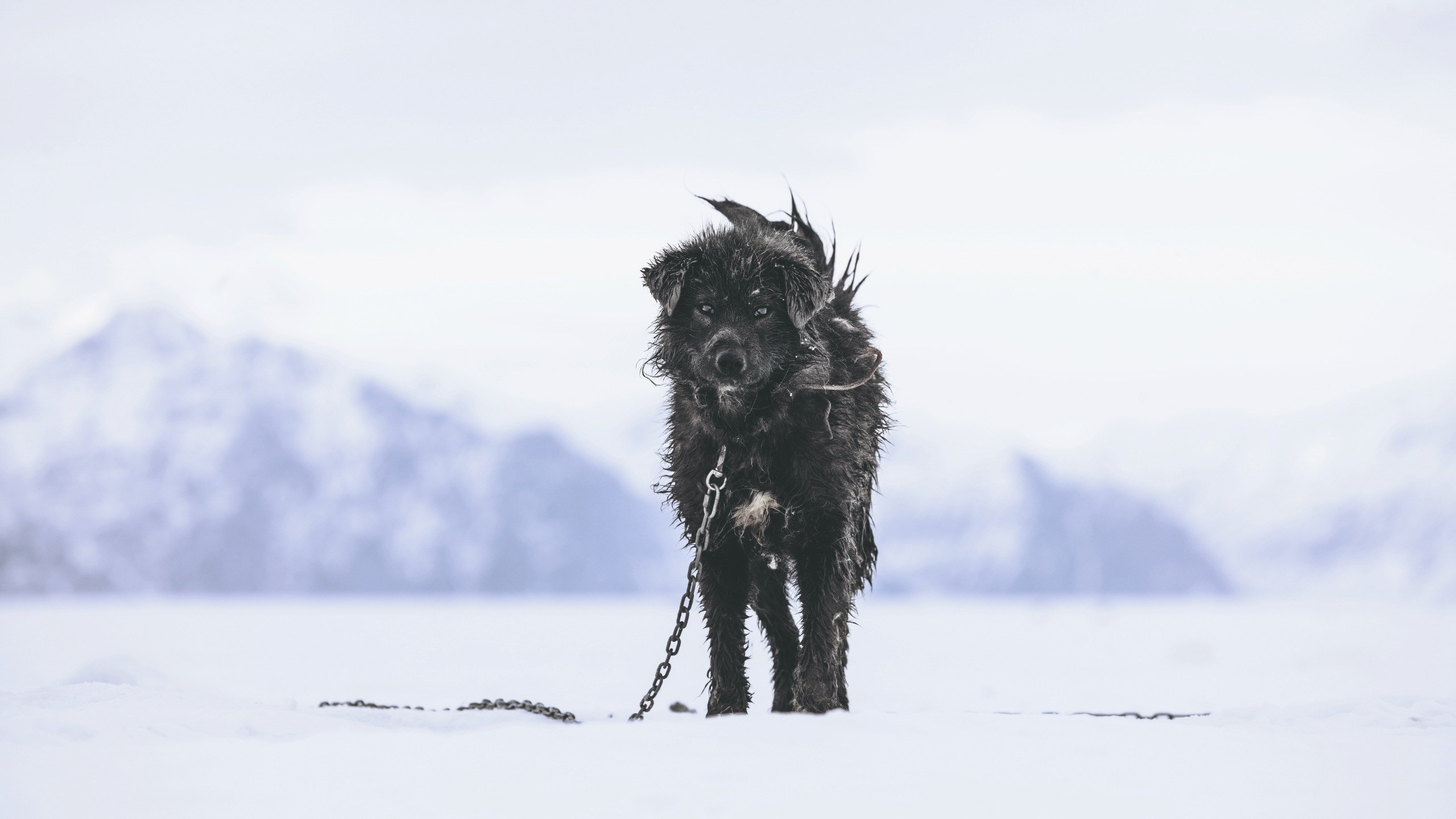
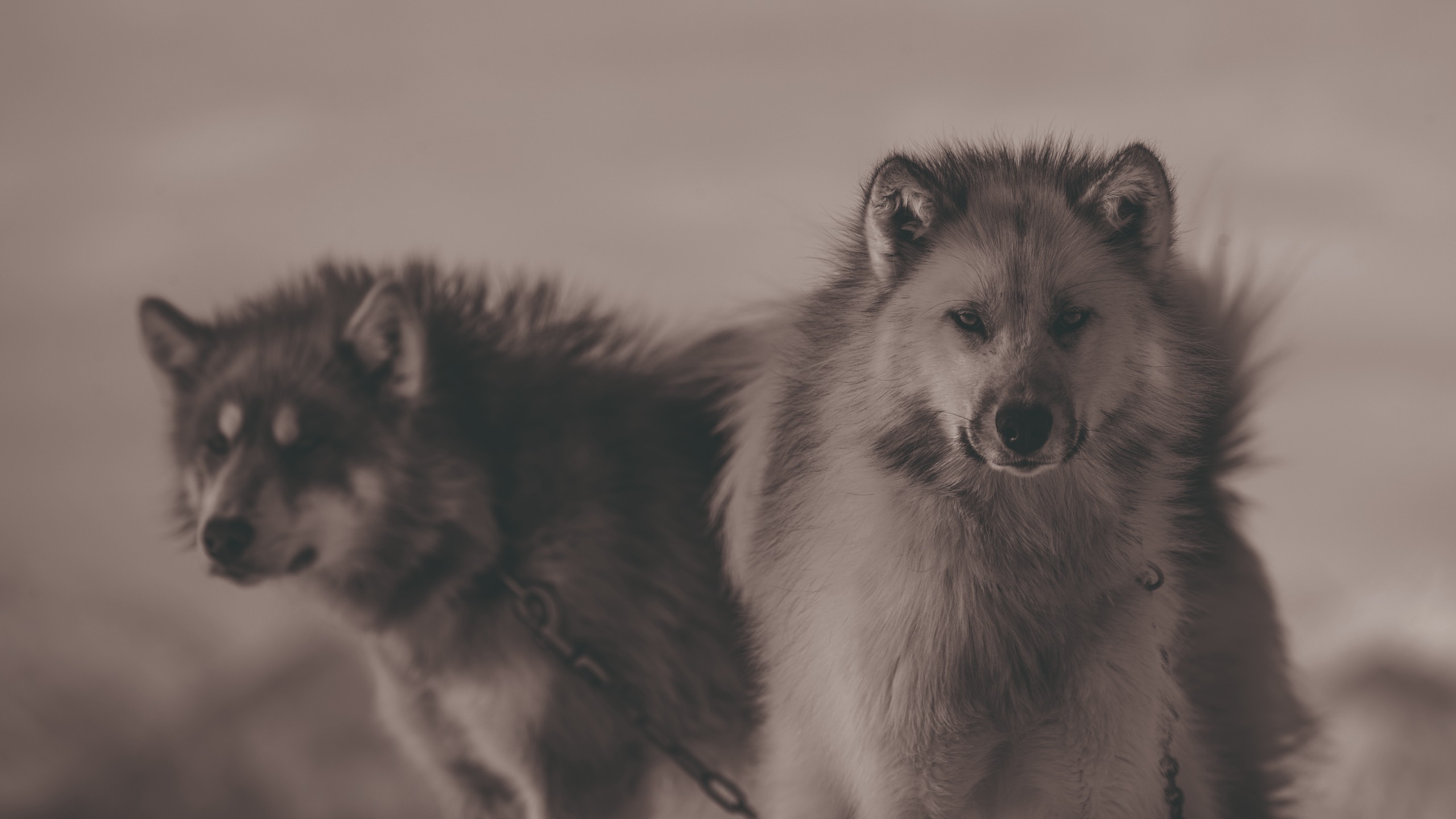
In the main, her pictures capture small moments: waiting, howling, sleeping, bristling, running. “In these moments, the camera becomes less an observer and more a listener,” she writes in the book.
Drawn to dogs
Laiz, who was born and raised in Argentina, has spent more than two decades photographing animals in some of the world’s most remote places, from elephants and gorillas in Africa to the horses of Iceland.
She first came to the Arctic nearly a decade ago to photograph polar bears, a project she’s still continuing. But over time, her attention shifted to the dogs.
“I could never pass these dogs without being drawn to them: to their calls that carried above the tundra, to their restless movements and their unspoken presence,” she writes. “Among them, I felt something raw and honest.”
In the book, Laiz sets out how Inuit life was forcibly changed between the 1950s and 1970s, when the Canadian government moved communities into permanent settlements and killed thousands of dogs.
She’s careful, though, to be clear about where she’s standing. “This book is presented from my perspective; from what I saw and felt, and what I tried to understand,” she writes. “It is not an attempt to speak for Inuit communities.”
Rather than offering easy answers, she leaves her readers with open questions. “The dogs cannot answer these questions, but their voices travel far across the frozen land,” she concludes.
Echoes of the Pack by Guadalupe Laiz is out now from Images Publishing, priced $80 / £60. The 256-page hardback measures 330 x 280mm and features 145 black-and-white and color photographs. It is printed on two different paper stocks, with Laiz’s poems and texts set on black paper.
Author: Tom May
Source: DigitalCameraWorld
Reviewed By: Editorial Team
