

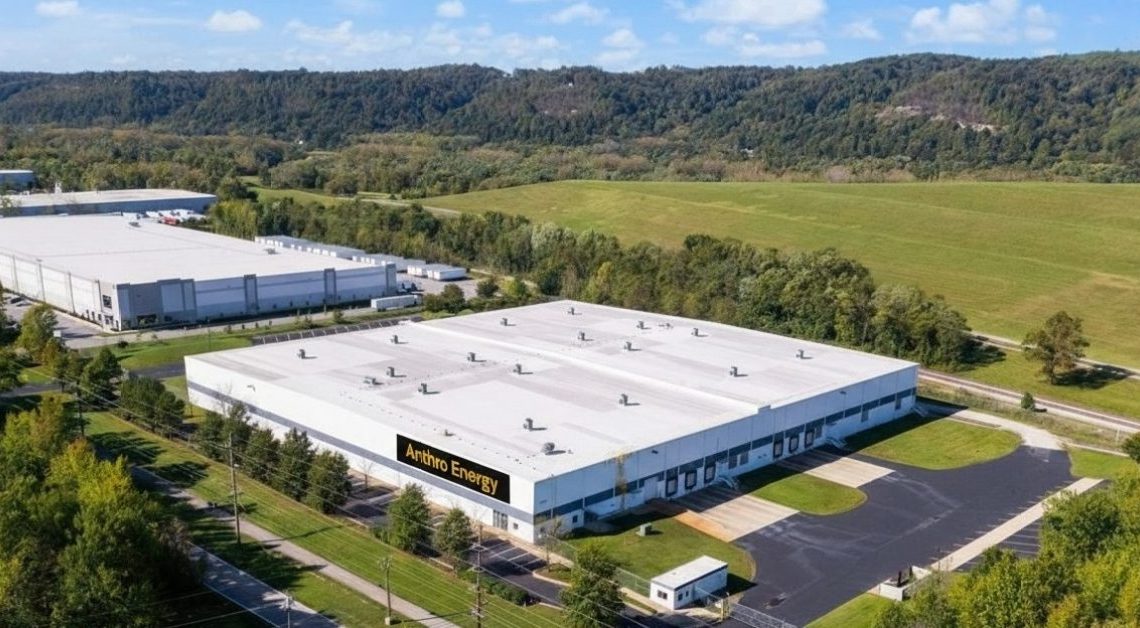
Anthro Energy has broken ground on a first-of-its-kind US battery materials factory in Louisville, Kentucky, with enough planned annual output to support up to 25 gigawatt-hours (GWh) of lithium-ion batteries.
The California battery startup says the facility will be the first large-scale, US-owned and operated plant producing advanced electrolytes. It’s expected to make around 12,000 metric tons of polymer electrolyte a year when it opens in late 2027.
That 25 GWh figure is substantial. If all of the plant’s output went into stationary storage – but it won’t, because Anthro is targeting several markets – it could supply the batteries for 6.25 GW of four-hour storage projects every year.
The factory’s electrolyte will also be used in batteries for transportation, defense, robotics, and consumer electronics.
Why electrolyte matters for battery storage
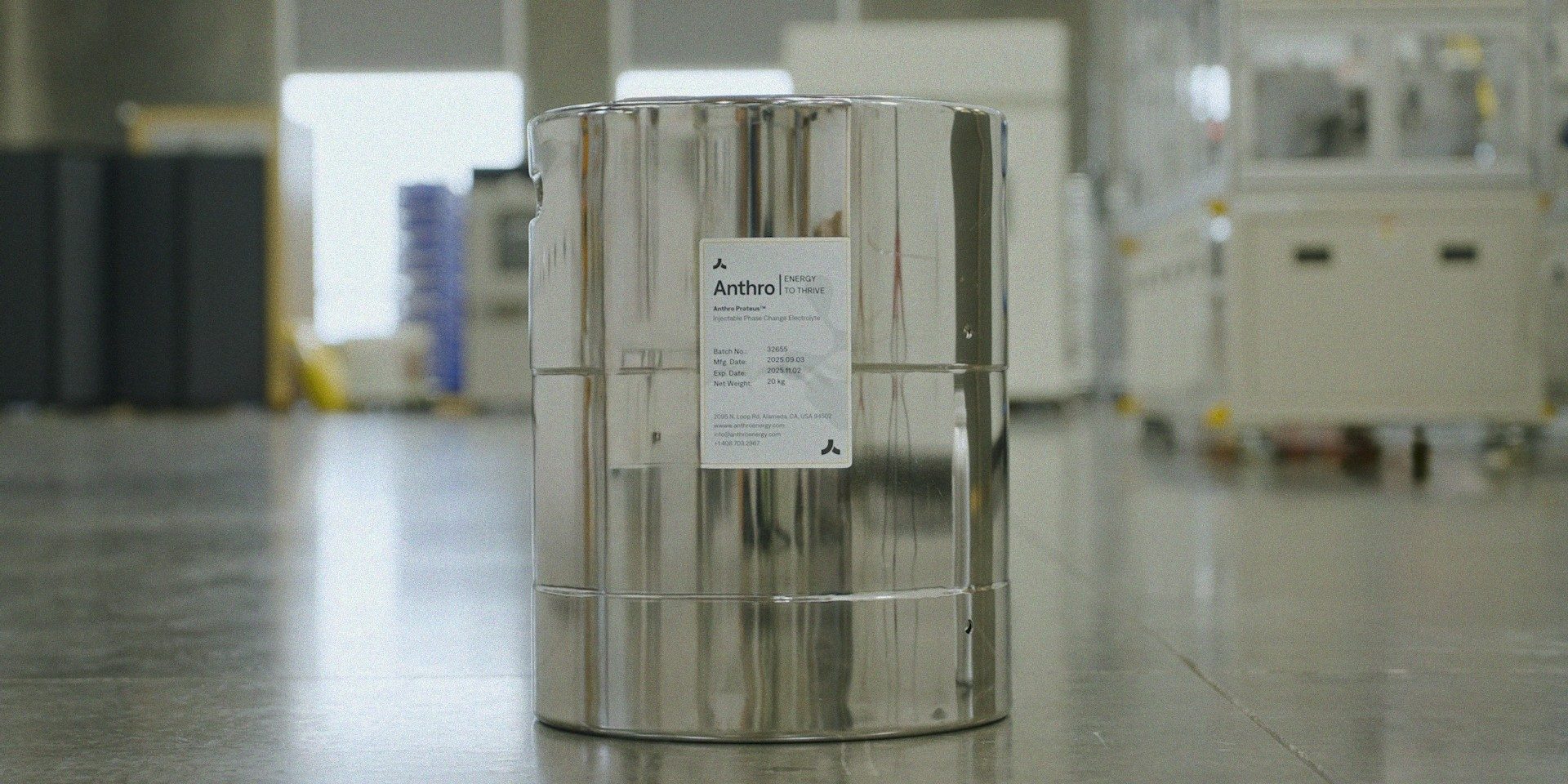
The electrolyte is the material that carries lithium ions back and forth between a battery’s positive and negative electrodes as it charges and discharges. It’s the internal pathway that allows the battery to work.
Most lithium-ion batteries use a flammable liquid electrolyte. Anthro’s Proteus platform is injected into the cell as a liquid using standard battery-making equipment, then undergoes a chemical reaction that turns it into a solid or semi-solid polymer during the cell’s normal formation process.
That matters for grid-scale storage because a battery facility packs thousands of cells closely together. A material that’s more resistant to fire, short circuits, and swelling could reduce the chance that a failure in one cell spreads to others. That’s a serious safety consideration when storage systems are installed near homes, businesses, or critical infrastructure.
Anthro also says its polymer electrolyte can improve energy density and cycle life. If those claims hold up at commercial scale, they could mean more electricity stored in the same footprint and batteries that retain capacity through more years of daily charging and discharging.
Just as importantly, Anthro says manufacturers can use Proteus without replacing their existing battery production equipment. That could make the technology faster and less expensive to adopt than a solid-state battery design requiring a completely new factory.
“As demand for advanced batteries continues to grow, rebuilding domestic manufacturing capacity for critical battery materials has become a national priority,” said Anthro Energy CEO and cofounder David Mackanic. “By producing advanced electrolytes here in the United States, we’re helping build a more resilient domestic supply chain while enabling the next generation of safer, higher-performing batteries.”
The Louisville plant will immediately use inputs free of Foreign Entity of Concern restrictions, according to the company. That gives US battery makers a domestic source of a material that would otherwise expose them to overseas supply-chain disruptions or federal sourcing restrictions.
The $42 million+ project received a $24.9 million US Department of Energy award through the Biden administration’s Infrastructure Investment and Jobs Act and $18.4 million in federal investment tax credits through the Inflation Reduction Act’s 48C program. Anthro says the plant will create 110 permanent manufacturing and technical jobs, plus nearly 390 construction jobs.
Read more: This $0-down Illinois home solar deal includes a huge 60 kWh battery
Author: Michelle Lewis
Source: Electrek
Reviewed By: Editorial Team