


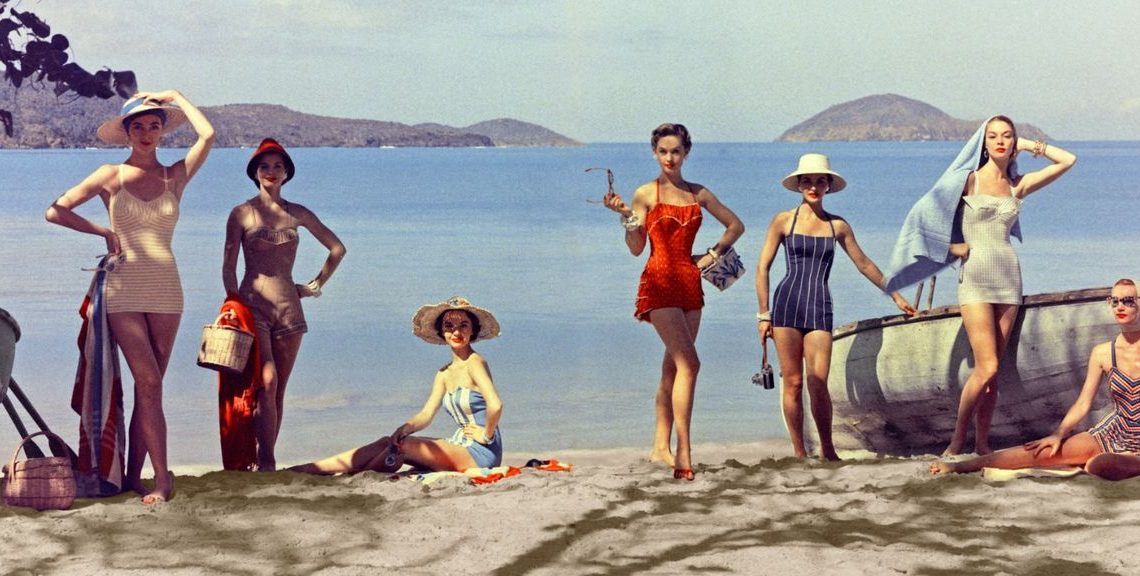
Not a fan of the square or vertical images we’ve got used to in the smartphone age? Prefer the idea of wide, sweeping panoramas… the wider the better? Me too. And that’s why there’s a special place in my heart for Kodak’s Colorama: a huge, backlit panorama installed on the east balcony of New York City’s Grand Central Terminal from 1950 to 1990.
At 60 feet wide and 18 feet tall, this photographic display showed an idealised slice of American life to passing commuters. Now 287 of them have been brought together in a two-volume publication from Gestalten, titled KODAK COLORAMA Archive.
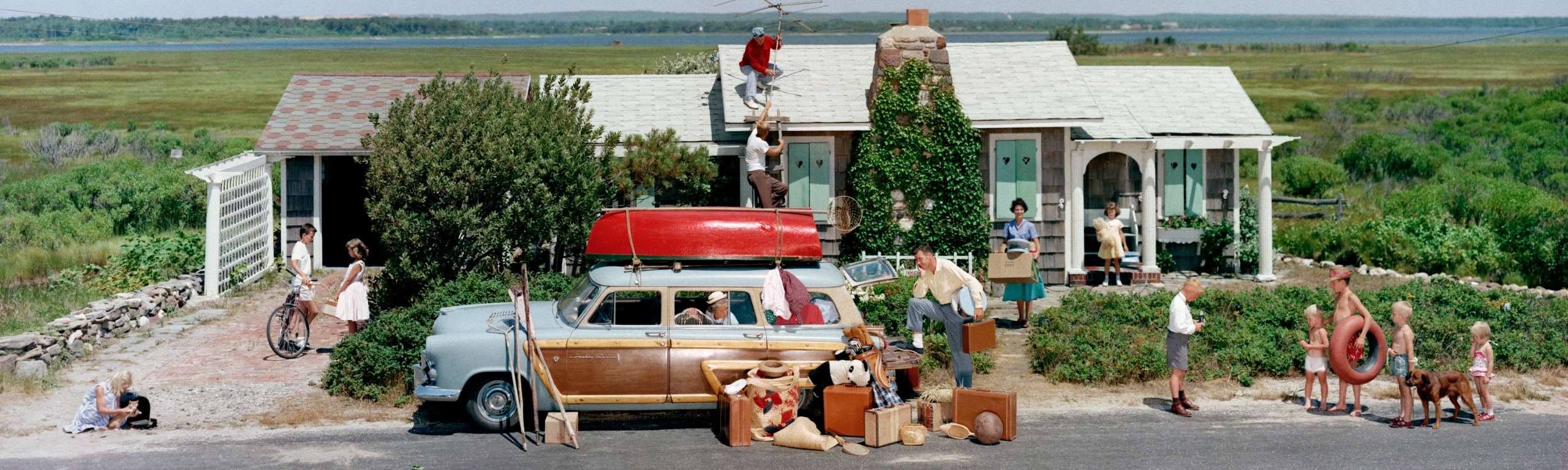
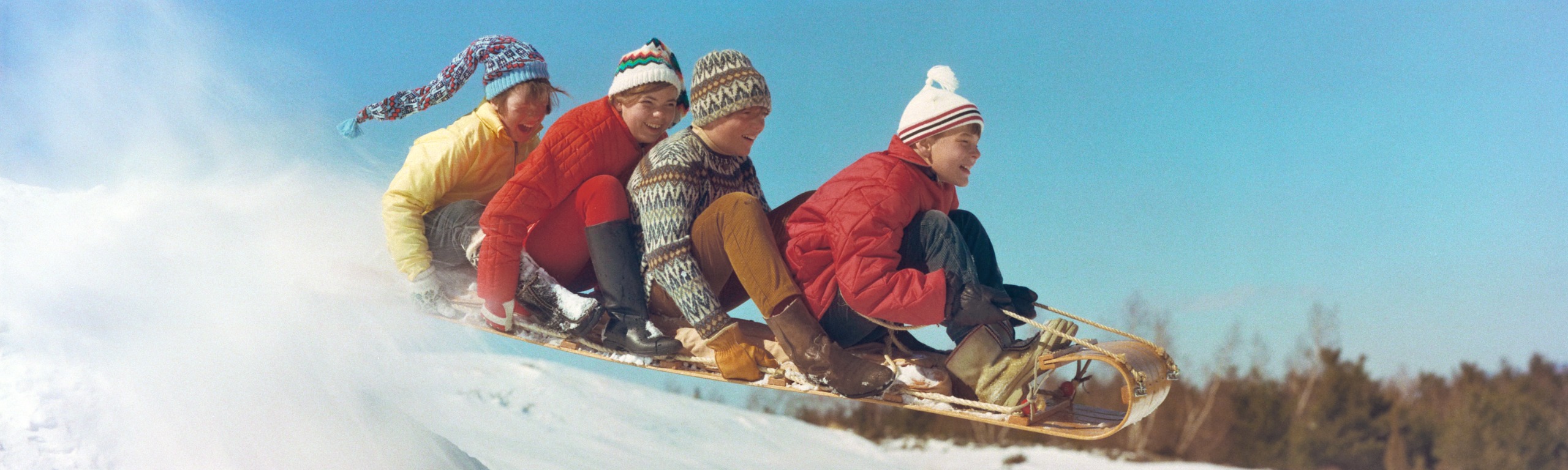
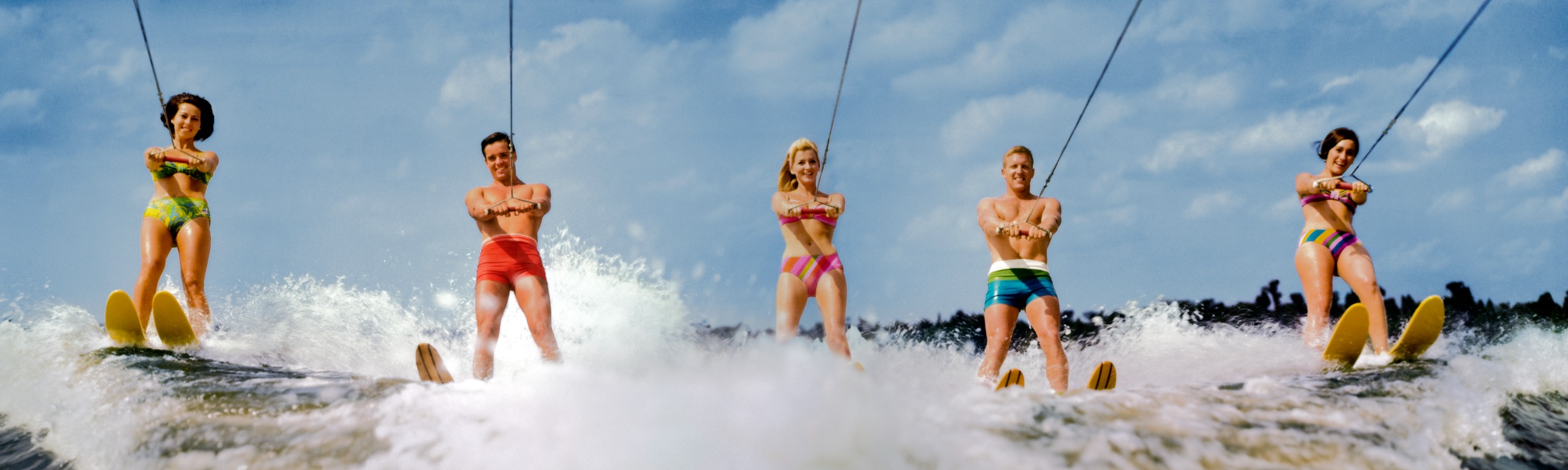
The formula was simple: take everyday scenes, cast them in a glow of perfection, and reproduce them at enormous scale. A family packs the car for a summer at the beach. Kids hurtle down a snow-covered hill on a sled. Water skiers race towards the lens in a spray of foam. Newlyweds emerge from an ivy-covered church, beaming.
As the publisher explains, Kodak and its advertising agency, J. Walter Thompson, these idealised visions of safe, suburban, consumer-centred life had a very clear purpose. At a time when post-war employment markets and growing mobility were pulling families apart, these images were selling something more profound than just photographic film. They were selling the notion of memory-making and social belonging.
Thumb through the book, and a pattern emerges. In picture after picture, somebody is taking a photograph. A man crouches in autumn leaves to snap his girlfriend. A young couple kneel in a riot of tulips and hyacinths, peering at a compact. At the wedding, a guest photographs a bridesmaid.
The message is unambiguous: the best moments are the ones you capture on Kodak. Or as the youth of the 2020s might say: “Pics or it didn’t happen”.
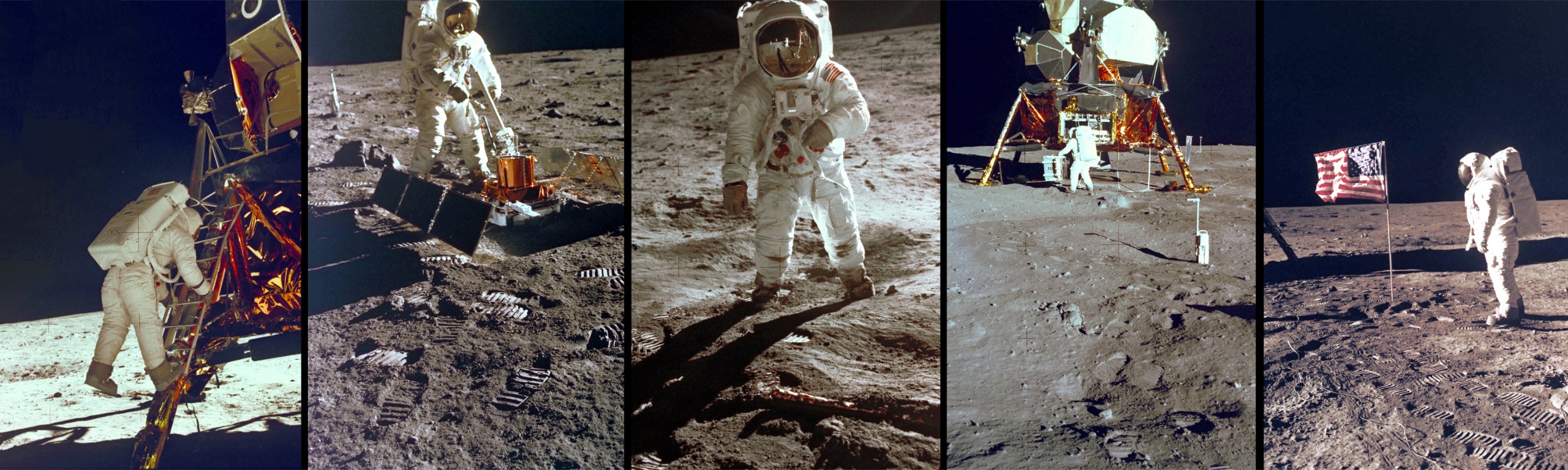
The Coloramas weren’t just about ideas of domestic bliss, though: they also tracked real events in a changing world. The collection includes work by Ansel Adams and some of NASA’s first images from the surface of the Moon. Colorama No. 319, photographed by Norman C. Kerr and displayed in 1969, was the first to feature a black couple.
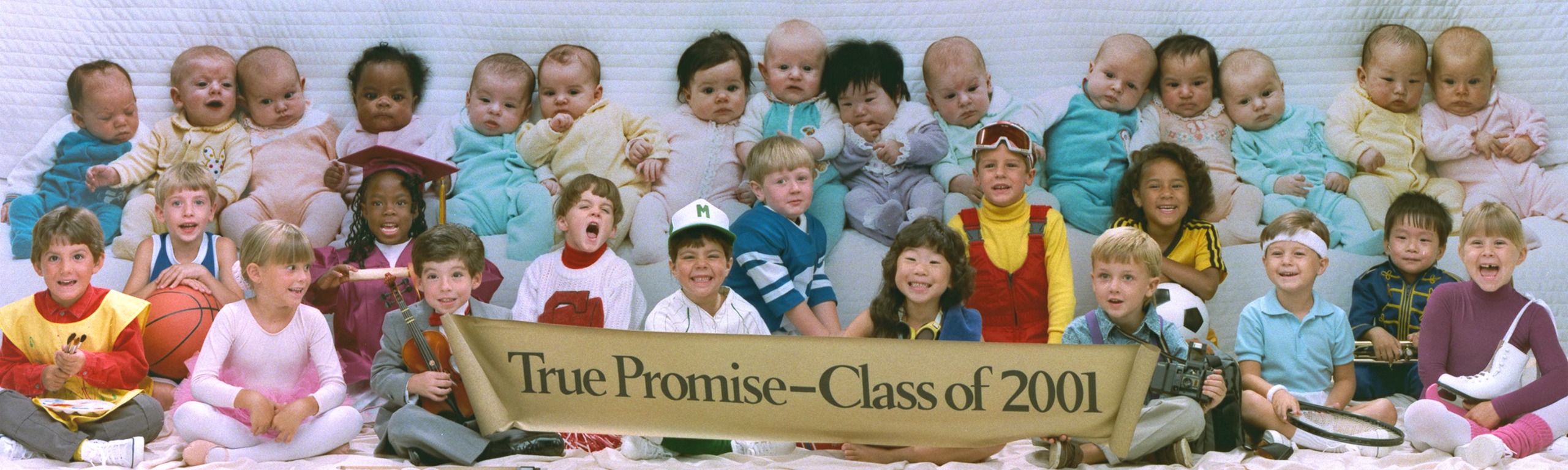
By the 1980s, you get pictures like True Promise – Class of 2001, featuring a line of grinning children dressed as future artists, athletes, musicians and graduates.
Making a sharp, vividly coloured photograph that could be viewed at 18 metres wide in the 1950s was, of course, no small task. First, Kodak used specialised, oversized Deardorff large-format cameras to shoot the scenes. Next, the giant transparencies were processed in vertical strips inside a repurposed swimming pool, then joined using custom clear welds developed specifically for the task. The finished images were lit from behind by about a mile of cold-cathode tubes.
Sounds expensive? You betcha. Kodak paid hundreds of thousands of dollars a year in rent for the space alone, and up to $30,000 per image before production costs were even counted. Which was an awful lot of money in those days.
Today we worry about algorithms, addiction and social media fakery. The Coloramas might be seen as an ancestor of this dynamic: a glowing, larger-than-life version of a reality that never quite existed, glowing with saturated colour. And that may make revisiting them in 2026 a strange and unsettling experience. But that doesn’t stop them, at the same time, being a real joy to look at.
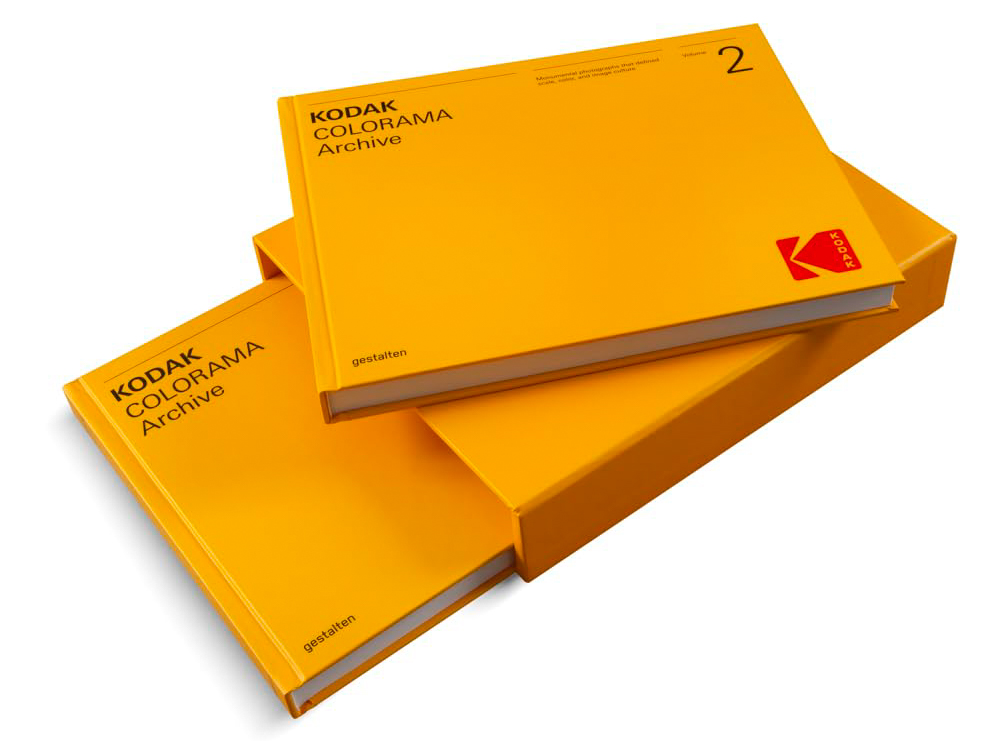
KODAK COLORAMA Archive is published by Gestalten as a two-volume hardback set in a slipcase, priced $150 / £125. It’s available now in the UK and Europe, and in the US from November 17.
Author: Tom May
Source: DigitalCameraWorld
Reviewed By: Editorial Team
