

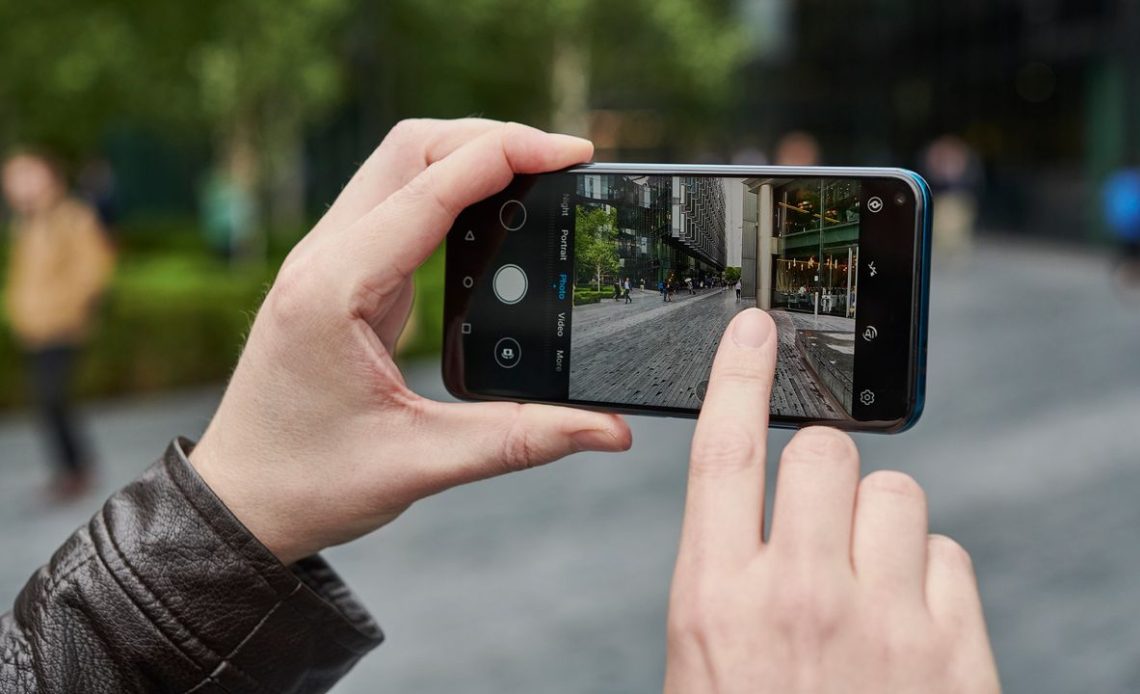
A new report suggests that about 70% of the photos taken on camera phones are never looked at again, highlighting a growing disconnect between how much we shoot and how little we actually appreciate the images.
While the research focuses on smartphone photography, the behaviour will feel familiar to many mirrorless or DSLR photographers as well, where shoots often result in hundreds of images that are only partially reviewed or edited.
In an era where capturing images has never been easier, the consequences of digital imagery are becoming harder to ignore. The more we shoot, the less each image seems to matter in the pile.
The findings come from the Memory Economy report by AI photobook app Popsa, based on a survey of 2,000 UK adults. It reveals that around 70% of camera phone photos are never revisited, with only 27.8% are ever looked at again in any meaningful way.
In other words, most images taken today are effectively one-time captures – seen once, then quickly buried in camera rolls, cloud storage or forgotten folders.
The report also highlights how common this experience has become, both emotionally and practically. Half of respondents say that their camera roll causes them stress, with younger users reporting the strongest impact.
Gen Z users are particularly affected, with many describing feelings of overwhelm linked to the size and disorganization of their photo libraries.
Why modern photography is leading to “digital photo overload”
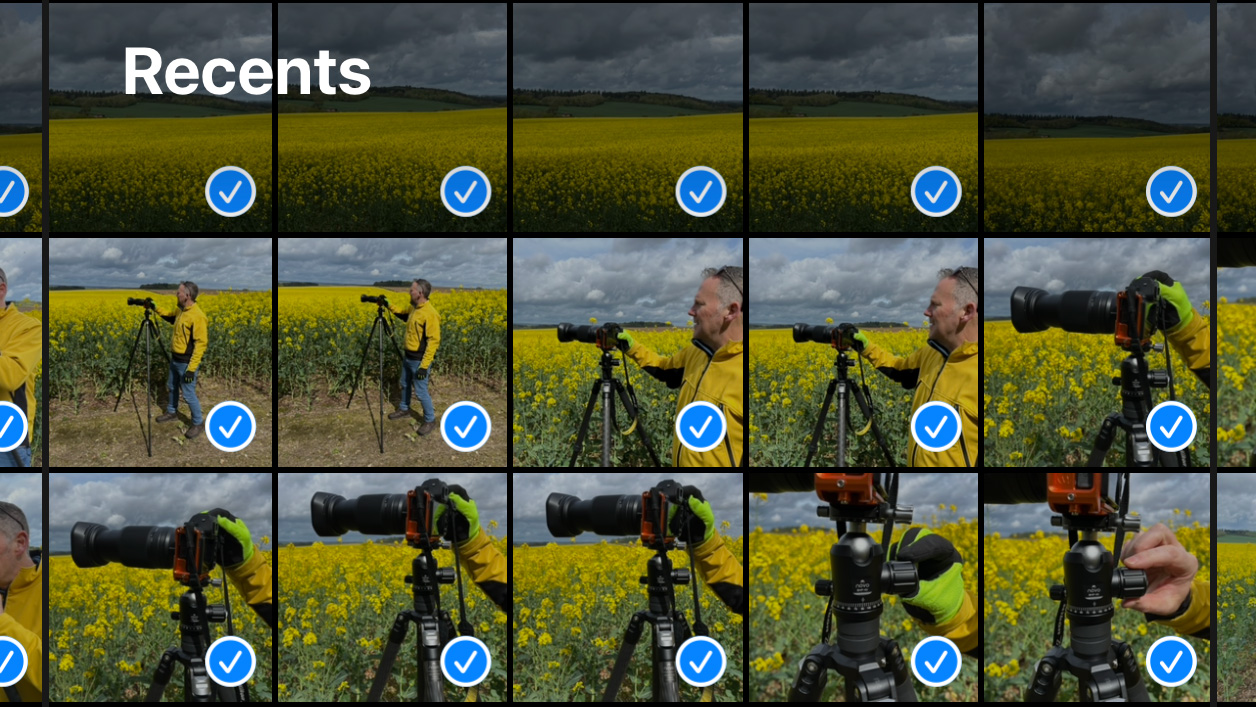
The shift is largely down to how photography has changed. In the film era, limited exposures meant that every frame mattered. Shooting was deliberate, while reviewing images was part of a natural, slower process.
Today, digital cameras and phone cameras have removed these constraints. Everyday shooters, amateurs or professional photographers can now capture unlimited images in a single session. Storage is no longer a limitation – attention is.
The result is what researchers and industry figures increasingly describe as digital photo overload: vast libraries of images that grow faster than ever before.
How to reduce camera roll clutter and revisit your photos

Liam Houghton, CEO and Founder of Popsa, says that the issue isn’t necessarily about taking fewer photos but about building habits that make it easier to manage them.
One of the simplest approaches, he suggests, is a short weekly review of recent images. This helps prevent photos from staying unnoticed, while making it easier to identify meaningful moments.
Houghton also recommends using a quick mental filter when deciding what to keep: whether a photo tells a story, whether it would still matter in five days and whether it’s something worth printing.
Finally, he points to the importance of turning digital images into something tangible. Whether through printed photo books or curated albums, moving images from endless digital storage into a physical format increases our appreciation of our photographs.
Author: Kim Bunermann
Source: DigitalCameraWorld
Reviewed By: Editorial Team