

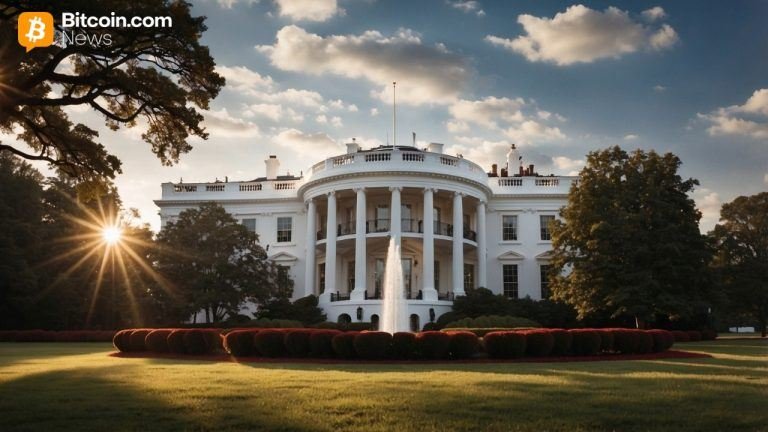
Bipartisan momentum is building behind U.S. crypto legislation as the White House intensifies talks with industry, banks, and lawmakers, signaling renewed efforts to break a regulatory stalemate and advance long-awaited market structure rules.
Bipartisan Crypto Momentum Builds Inside the White House
Discussions over U.S. digital asset policy intensified as several participants described a White House meeting involving policymakers and industry representatives. Multiple posts on social media platform X on Feb. 10 highlighted continued bipartisan momentum behind efforts to advance crypto market structure legislation following the discussions in Washington.
Blockchain Association CEO Summer Mersinger issued a statement after the meeting:
“Today’s second White House meeting reflects continued, meaningful momentum toward delivering bipartisan digital asset market structure legislation, and we’re encouraged by the progress being made as stakeholders remain constructively engaged on resolving outstanding issues.”
“We’re thankful to Patrick Witt [the President’s Council of Advisors for Digital Assets] and the Administration for their continued leadership and commitment to keeping this process moving forward,” the executive continued. “ Blockchain Association and our members remain fully engaged in this effort and committed to working with policymakers across the aisle to translate this progress into legislation that positions the United States as a global leader in technological innovation and fulfills the President’s vision of America as the crypto capital of the world.”
Ripple’s chief legal officer, Stuart Alderoty, also weighed in following the meeting, describing the session as constructive despite unresolved issues. He opined:
“Productive session at the White House today – compromise is in the air. Clear, bipartisan momentum remains behind sensible crypto market structure legislation. We should move now – while the window is still open – and deliver a real win for consumers and America.”
His remarks underscored industry confidence that lawmakers remain aligned on the need for statutory clarity as talks continue to focus on market structure and stablecoin oversight.
The White House has convened two recent meetings, on Feb. 2 and Feb. 10, aimed at breaking an industry stalemate over digital asset regulation. The sessions brought together crypto executives, major banking associations, and policymakers to resolve disagreements surrounding the Digital Asset Market CLARITY Act while advancing negotiations on market structure and stablecoin oversight.
Additional details were by journalist Eleanor Terrett on X, citing banking and crypto sources at the White House meetings. She outlined a morning session with crypto representatives, Senate Banking Committee staffers, and members of the White House Crypto Council, followed by a smaller afternoon meeting on stablecoin yield negotiations. The later discussion included Goldman Sachs, J.P. Morgan, Bank of America, Wells Fargo, Citi, PNC Bank, and U.S. Bank, along with trade groups and crypto policy leaders. Banks reportedly presented written prohibition principles on stablecoin rewards, including limited flexibility for exemptions. Talks focused on defining permissible activities, with crypto firms seeking broader definitions and banks favoring narrower limits. The White House urged both sides to reach an agreement by March 1 as discussions continue.
Read more:
Momentum around the legislation has also been echoed on Capitol Hill. House Financial Services Committee Digital Assets Subcommittee Chairman Bryan Steil shared on X on Feb. 10:
“The CLARITY Act will secure U.S. leadership in digital assets. Let’s get it done.”
The Digital Asset Market CLARITY Act, introduced in May last year, seeks to establish a federal regulatory framework for the U.S. crypto industry by dividing oversight between the U.S. Securities and Exchange Commission (SEC) and the Commodity Futures Trading Commission (CFTC), with the latter overseeing digital commodities. The bill has stalled in the Senate. In January, Coinbase CEO Brian Armstrong withdrew support for the Senate version, calling it “materially worse than the status quo,” and criticizing provisions he said would restrict tokenized equities, decentralized finance, and the Commodity Futures Trading Commission’s authority. The Senate Banking Committee later postponed the markup.
FAQ 🔥
- Why was the latest White House crypto meeting important for investors? The meeting brought crypto executives, policymakers, and major banks together, signaling renewed momentum to resolve regulatory disputes and advance U.S. digital asset legislation.
- Which major banks participated in the White House stablecoin discussions? Goldman Sachs, JPMorgan, Bank of America, Wells Fargo, Citi, PNC Bank, and U.S. Bank reportedly joined talks on stablecoin rules, underscoring traditional finance’s growing role in shaping crypto regulation.
- Why are crypto firms optimistic following the White House meetings? Industry leaders cited constructive dialogue, bipartisan alignment, and willingness to compromise as signs that long-sought regulatory clarity may soon be achieved.
- How could outcomes from these meetings affect crypto and financial markets? A clearer market structure and framework could reduce regulatory risk, encourage institutional adoption, and influence competitive dynamics between banks and firms.
Author: Kevin Helms
Source: Bitcoin
Reviewed By: Editorial Team