

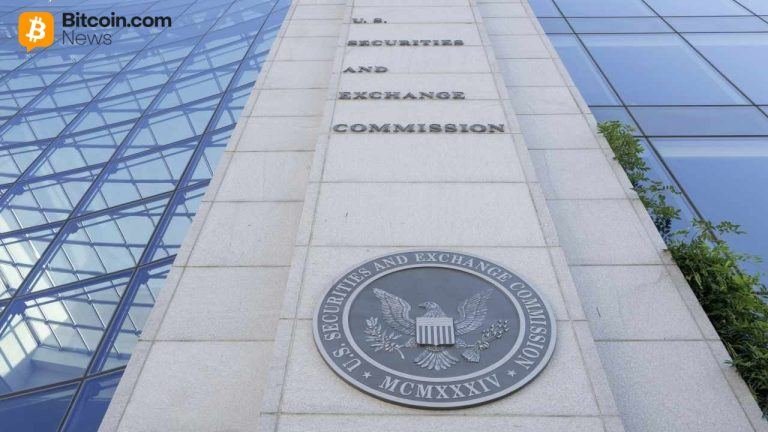
U.S. crypto regulation has flipped pro-growth as the SEC embraces clarity, rulemaking, and institutional adoption, slashing enforcement risk and signaling a durable policy reset that positions America to lead digital finance.
SEC Pivots to Clarity as US Pushes for Digital Asset Leadership
The U.S. digital asset regulatory landscape has entered a decisively pro-growth phase as the Securities and Exchange Commission (SEC) pivots toward clarity, innovation, and institutional adoption. Paul Atkins, sworn in as the SEC’s 34th chairman on April 21, 2025, now leads a coordinated federal effort to position the United States as a global hub for digital finance and blockchain-based market infrastructure.
This transition marks a clear break from the framework under former Chairman , which relied on expansive interpretations of legacy securities laws and frequent litigation against crypto market participants. That approach generated persistent regulatory uncertainty, elevated compliance risk, and constrained capital formation, contributing to concerns that innovation was being driven offshore.
Under Chairman Atkins, the SEC has rejected the presumption that digital assets are securities by default and has reoriented policy toward formal rulemaking, legal practicability, and market functionality.
Enforcement priorities have narrowed to traditional misconduct, including fraud, manipulation, and fiduciary breaches, while technical registration and disclosure violations have been deprioritized. This recalibration has resulted in a sharp decline in enforcement actions and monetary penalties, alongside the dismissal of high-profile dealer registration cases, signaling a durable policy reset rather than a temporary enforcement slowdown.
Read more:
The centerpiece of the new regulatory framework is “Project Crypto,” which establishes a formal token taxonomy and clarifies that a digital asset may initially be sold as part of an investment contract but later “shed” securities status once reliance on an issuer’s managerial efforts ends. This approach is reinforced by the proposed , a time-limited framework intended to reduce early compliance burdens, support experimentation, and provide a structured pathway from initial issuance toward functional decentralization.
In parallel, the SEC has accelerated institutional integration by streamlining approval for crypto exchange-traded products (ETPs) and the Depository Trust Company (DTC) to pilot tokenization of highly liquid assets, including U.S. Treasuries and major equity indexes. These measures embed blockchain technology within regulated financial infrastructure while maintaining investor protection and market resiliency.
The SEC’s shift aligns with a broader executive strategy led by the White House and Treasury Department, reinforcing regulatory coherence across agencies. Treasury Secretary Scott Bessent has framed the policy change as a national inflection point, underscored by the creation of a Strategic Bitcoin Reserve funded by forfeited assets and governed by a non-sale policy. The appointment of David Sacks as White House AI and Crypto Czar further institutionalizes coordination among regulators, lawmakers, and industry, with active efforts underway to advance comprehensive digital asset legislation. While challenges remain, including jurisdictional clarity and operational standards for decentralization, the regulatory hard fork materially improves the U.S. risk-reward profile. Predictable rulemaking, reduced enforcement uncertainty, and executive-level endorsement together establish a stronger foundation for innovation, capital deployment, and sustained U.S. leadership in digital finance.
FAQ 🧭
- Why does the SEC’s leadership change matter for crypto investors? The appointment of Paul Atkins signals a durable shift toward clear rulemaking, reduced enforcement risk, and policies designed to attract institutional capital back into U.S. digital asset markets.
- How does “Project Crypto” improve the investment outlook for digital assets? Project provides a formal token taxonomy and a path for assets to transition out of securities status, materially lowering long-term regulatory uncertainty for issuers and investors.
- What is the significance of declining SEC enforcement actions? The sharp reduction in enforcement and penalties indicates a structural policy reset that improves capital formation conditions and reduces downside regulatory risk for compliant market participants.
- Why is institutional integration like ETP approvals and tokenization important? Streamlined ETP approvals and DTC-led tokenization embed into core financial infrastructure, expanding , legitimacy, and addressable market size for digital assets.
Author: Kevin Helms
Source: Bitcoin
Reviewed By: Editorial Team