

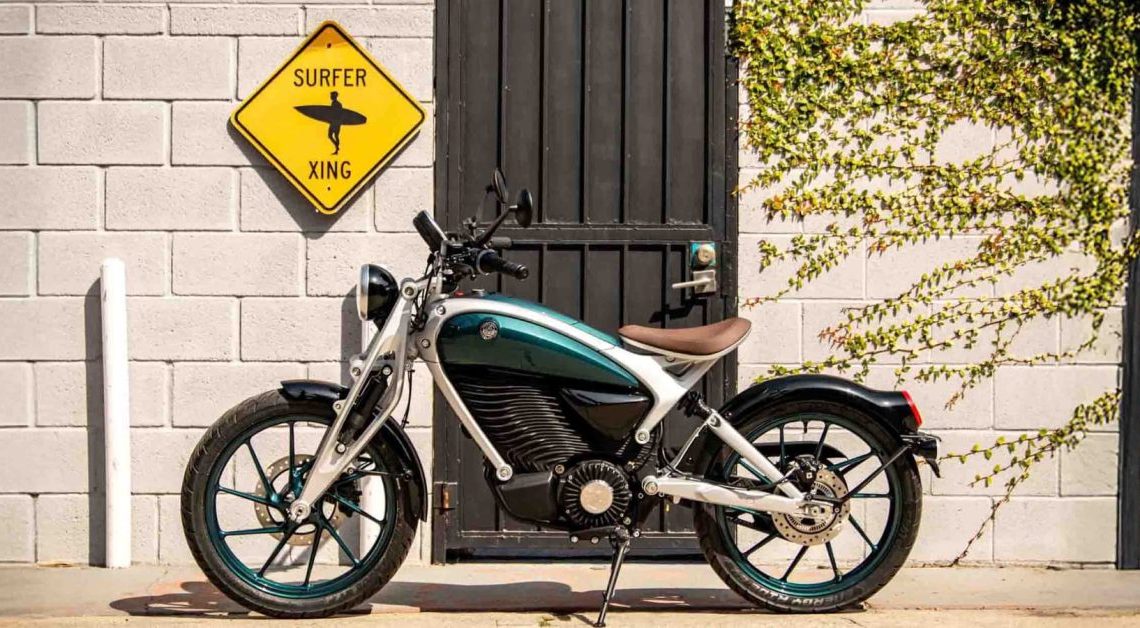
Royal Enfield has officially pulled the wraps off the full specifications of its first electric motorcycle, the beautifully designed Flying Flea C6, ahead of its April 10 launch in India. And while there’s a lot to like about the bike on paper, one particular number stands out so much that it almost overshadows everything else.
I’m talking, of course, about the range rating.
But let’s get all the other new tech specs out of the way first.
The Flying Flea C6 is powered by a 15.4 kW permanent magnet synchronous motor, delivering up to 60 Nm of torque. That’s enough to push the lightweight 124 kg (273 lb) bike from 0 to 60 km/h (37 mph) in just 3.7 seconds, with a top speed of 115 km/h (71 mph). For a small, urban-focused electric motorcycle, those are solid numbers that should make it feel quick and responsive in city traffic.
Basically, the bike landed pretty much where we all thought it would in terms of speed and power, putting it in the Goldilocks zone for small commuter electric motorcycles.
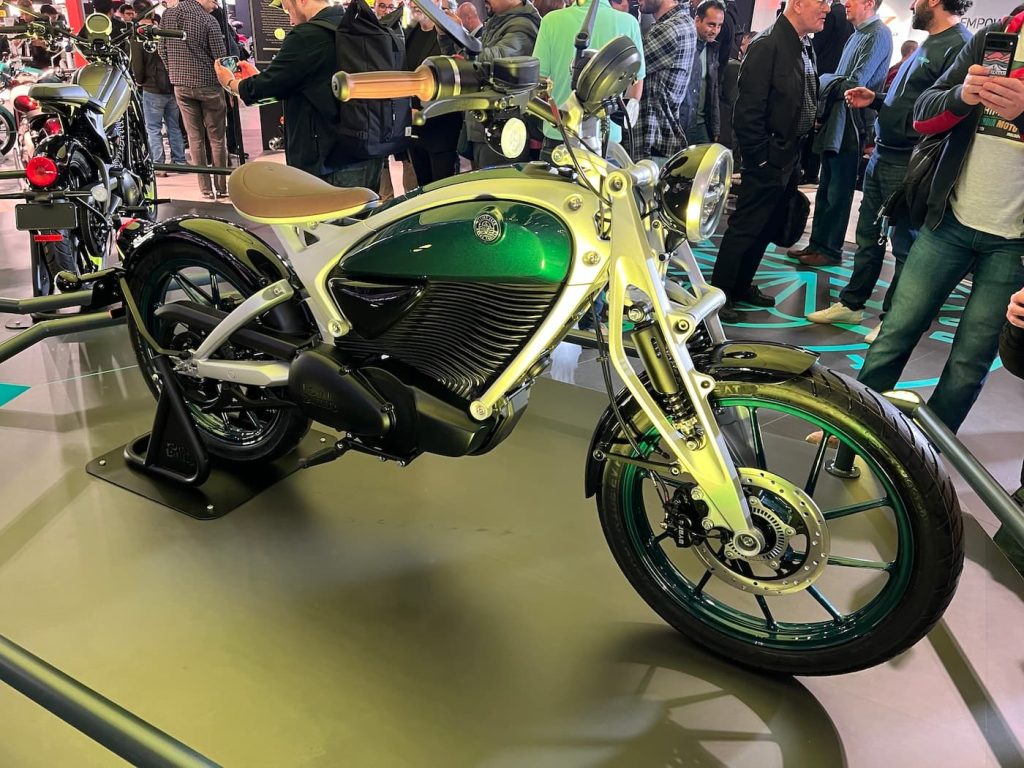
The bike is also fairly tech-heavy for something in this segment. It comes with features like cornering ABS, traction control, ride modes (including customizable settings), a touchscreen TFT display with smartphone connectivity, navigation via Google, and even wireless phone charging. Lighting is fully LED, and the design leans heavily into a retro-inspired aesthetic, including a girder-style front fork and a minimalist, floating seat.
Charging is handled by an onboard charger that can take the battery from 20% to 80% in around 65 minutes, or a full charge in a bit over two hours. Not groundbreaking, but perfectly reasonable for a smaller battery pack.


And that brings us to the elephant in the room.
A 3.91 kWh battery claiming 154 km (96 miles) of range is, frankly, absurd. It’s verifiably ridiculous.
To put that into perspective, that’s roughly 25 Wh per kilometer, or about 41 Wh per mile. Those numbers would place the Flying Flea among the most efficient electric two-wheelers ever made – not just in its class, but across the entire industry. That efficiency would make the 273-lb Flying Flea more efficient than a lot of Class 2 electric bicycles on the road these days.
Now, efficiency is great. Lightweight bikes with skinny tires can absolutely stretch their range. The Flying Flea’s narrow tires, modest power output, and relatively low weight all help here. But even then, this claim sits on the extreme outer edge of what’s physically plausible.
And that’s before we consider how range testing is actually done.
Royal Enfield is quoting IDC range figures, which are based on India’s standardized test cycle. Like many regulatory cycles around the world, IDC tends to represent idealized, low-speed riding conditions that don’t reflect real-world use. Think steady speeds, minimal acceleration, and basically the kind of riding that would test your patience long before it tests your battery.
In other words, yes – you might be able to hit something close to that 154 km or 96 mile figure if you ride at a speed that a ten-year-old child on a pedal bike could pass you on level ground.
But ride it the way most people actually will – mixing in acceleration, higher speeds, stop-and-go traffic, maybe even using that 115 km/h or 71 mph top speed – and that number is going to drop fast. Realistically, something closer to 70–100 km (45–60 miles) for CITY range would be far more believable, and even that depends heavily on how it’s ridden. If you’re getting anywhere close to that top speed, your range could literally be in the teens. At that point, the number is so small that it doesn’t really matter whether I’m talking in kilometers or miles anymore.
For a little fun math, if you assume you’re pushing close to the bike’s 15 kW power limit (i.e. riding top speed or up a hill), you’d literally drain the 3.9 kWh battery in less than 15 minutes.
This isn’t unique to Royal Enfield, of course. Nearly every manufacturer leans on optimistic test cycles for headline range figures. But this one feels particularly aggressive given the relatively small battery.
Pricing has not been announced yet, though local media reports an anticipated price of around 300,000 Indian Rupees, or roughly US $3,200.
Author: Micah Toll
Source: Electrek
Reviewed By: Editorial Team