

Ripple presses U.S. regulators to redraw the boundaries of crypto oversight, arguing securities laws should hinge on enforceable legal rights — not speculation, decentralization, or trading behavior — and warning that blurred lines could permanently expand SEC jurisdiction.
Ripple Urges SEC to Tie Crypto Regulation to Legal Rights, Not Speculation
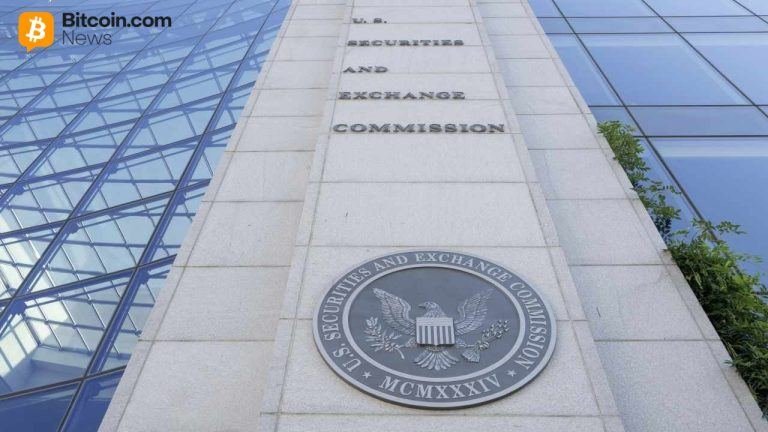
Ripple submitted a letter to the U.S. Securities and Exchange Commission (SEC) Crypto Task Force on Jan. 9, urging a rights-based framework for digital asset regulation. The blockchain payments company framed its position around legal obligations rather than market activity, speculation, or technological design.
The letter was signed by Ripple Chief Legal Officer Stuart Alderoty, General Counsel Sameer Dhond, and Deputy General Counsel Deborah McCrimmon. In the letter, Ripple argues that securities oversight should apply only for the duration of enforceable promises tied to a transaction. The company writes:
“The Commission’s jurisdiction should track the lifespan of the obligation; regulating the ‘promise’ while it exists, but liberating the ‘asset’ once that promise is fulfilled or otherwise ends.”
“The dispositive factor is the holder’s legal rights, not their economic hopes. Without that bright line, the definition of a security, and the SEC’s jurisdictional limits, become amorphous and unbounded,” Ripple added.
The submission explains that collapsing the distinction between a transaction and the underlying asset risks expanding securities jurisdiction indefinitely and criticizes approaches that rely on decentralization, trading behavior, or ongoing development as legal substitutes.
Read more:
The document also addresses speculation and so-called passive economic interest, rejecting the idea that market expectations alone create securities relationships. Ripple asserts, “What distinguishes a security is not that the holder has a passive interest, but that the interest represents a legal claim on the enterprise (e.g., rights to dividends, revenue shares, liquidation proceeds, ownership interest, etc.).” It continues:
“Any framework that classifies an asset as a security merely because the holder hopes for a ‘passive’ price increase ignores the reality that speculation is a feature of all markets, security and non-security markets alike.”
The letter compares markets to commodities and consumer goods that trade actively without triggering securities laws and backs fit-for-purpose disclosures where direct promises or retained control exist, while emphasizing that fraud and manipulation can be handled under existing enforcement authorities.
FAQ ⏰
- Why did Ripple write to the SEC Crypto Task Force? Ripple urged the SEC to adopt a rights-based framework that limits securities oversight to enforceable legal obligations.
- What does Ripple say determines whether a crypto asset is a security? Ripple argues the determining factor is the holder’s legal rights, not price speculation or market activity.
- How does Ripple view speculation in crypto markets? Ripple says speculation exists in all markets and does not by itself create a securities relationship.
- What risk does Ripple warn about in current SEC approaches? Ripple warns that blurring transactions and assets could expand SEC jurisdiction indefinitely.
Author: Kevin Helms
Source: Bitcoin
Reviewed By: Editorial Team