


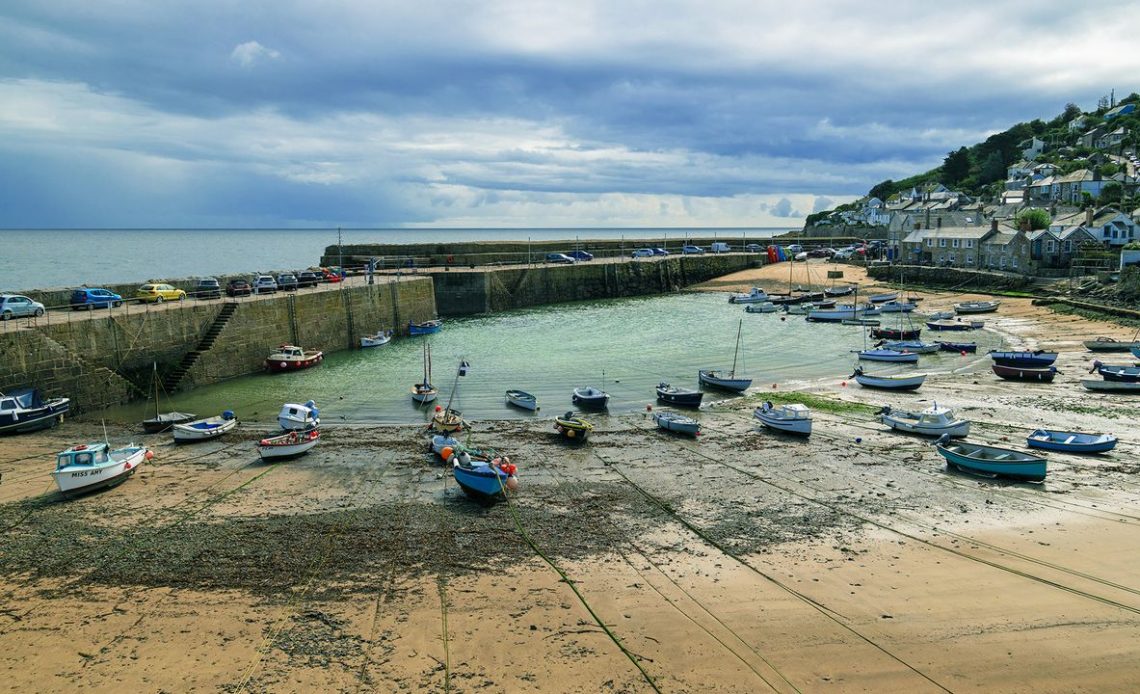
Just because it is winter doesn’t mean you should stay inside hibernating until spring. I mean, you can if you want to, I won’t be checking up on anyone. However, it’s more fun to pack your camera, tripod and umbrella and head for a scenic coastline to discover the photographic treats that await.
You could probably go with just a flexible lens, like a 24-200mm superzoom, which offers a very handy wide-angle end and a decent amount of telephoto. However, if you want more flexibility, then a really wide-angle lens, say 18mm, adds more drama and a macro lens will let you poke your camera into rockpools for interesting macro shots. You could also bring a really big lens if you want to chase seagulls around a harbor.
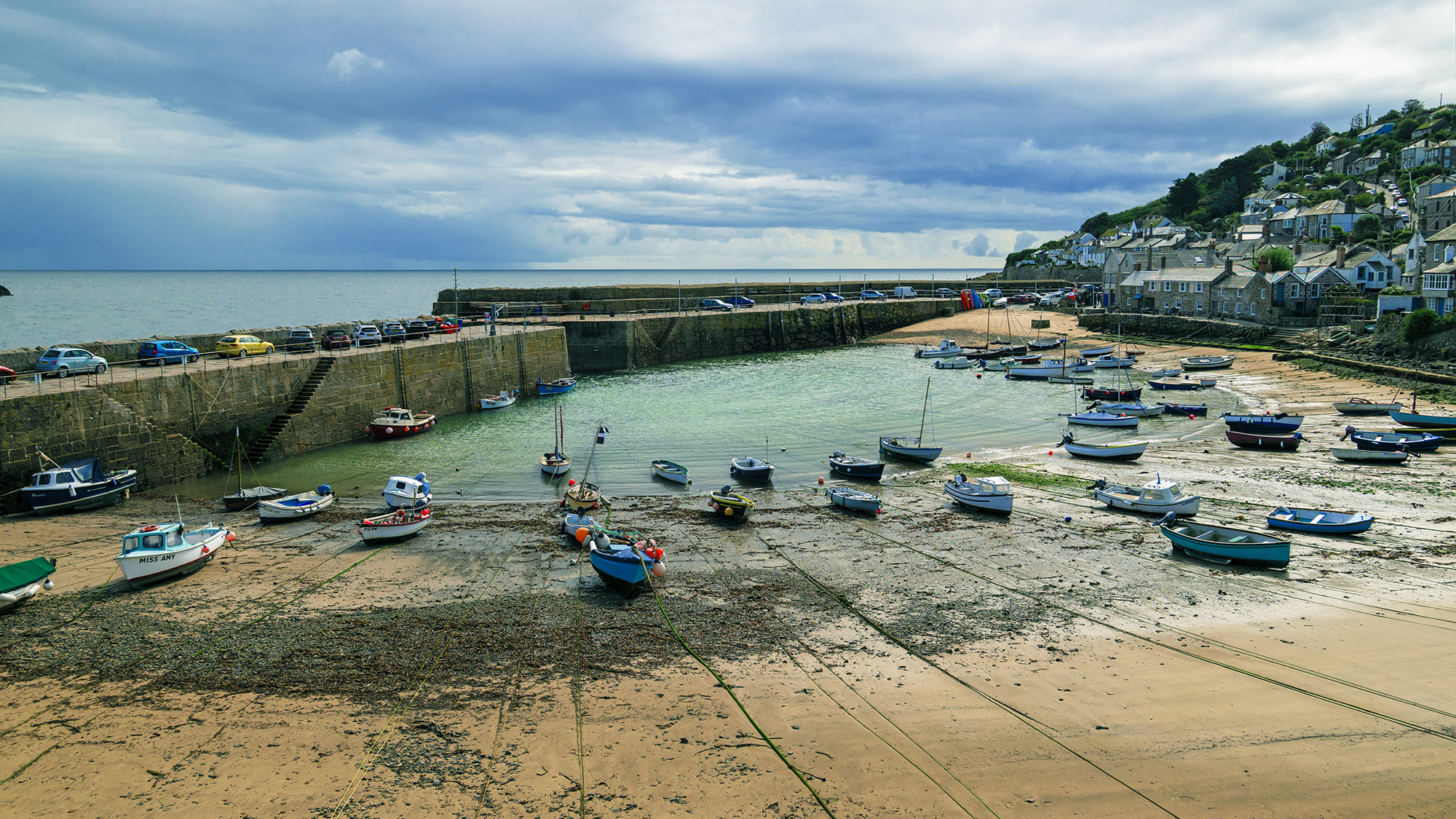
1. Try an ICM seascape
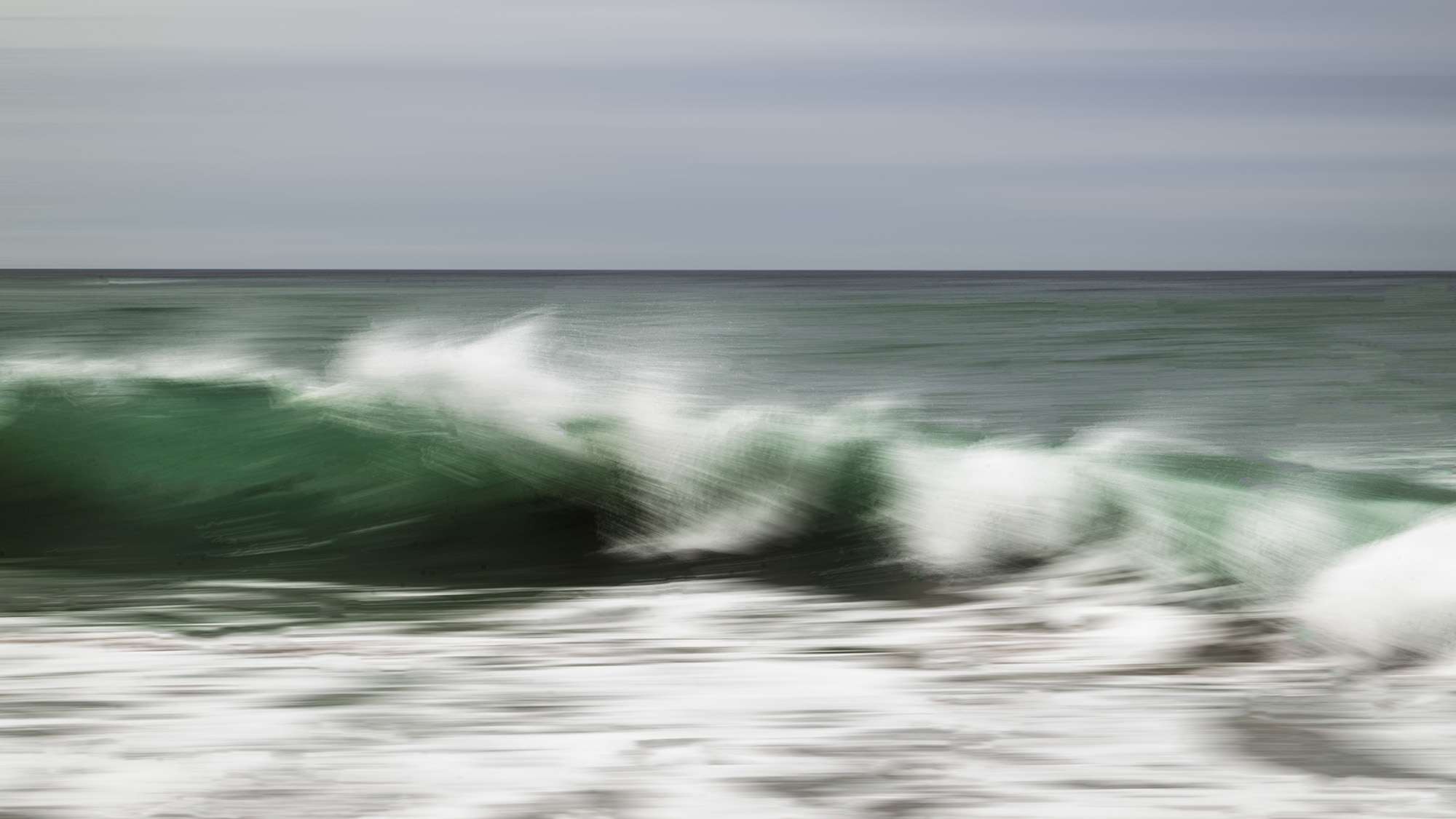
Intentional Camera Movement doesn’t just have to be trees and, in fact, the sea makes an ideal subject for panning from one side to the other. The idea is to get the shutter speed down to 1/15-1/20 sec and move the camera as you shoot. Even on a grey day, that needed ISO40 and an f/22 aperture without using filters.
2. Head for port
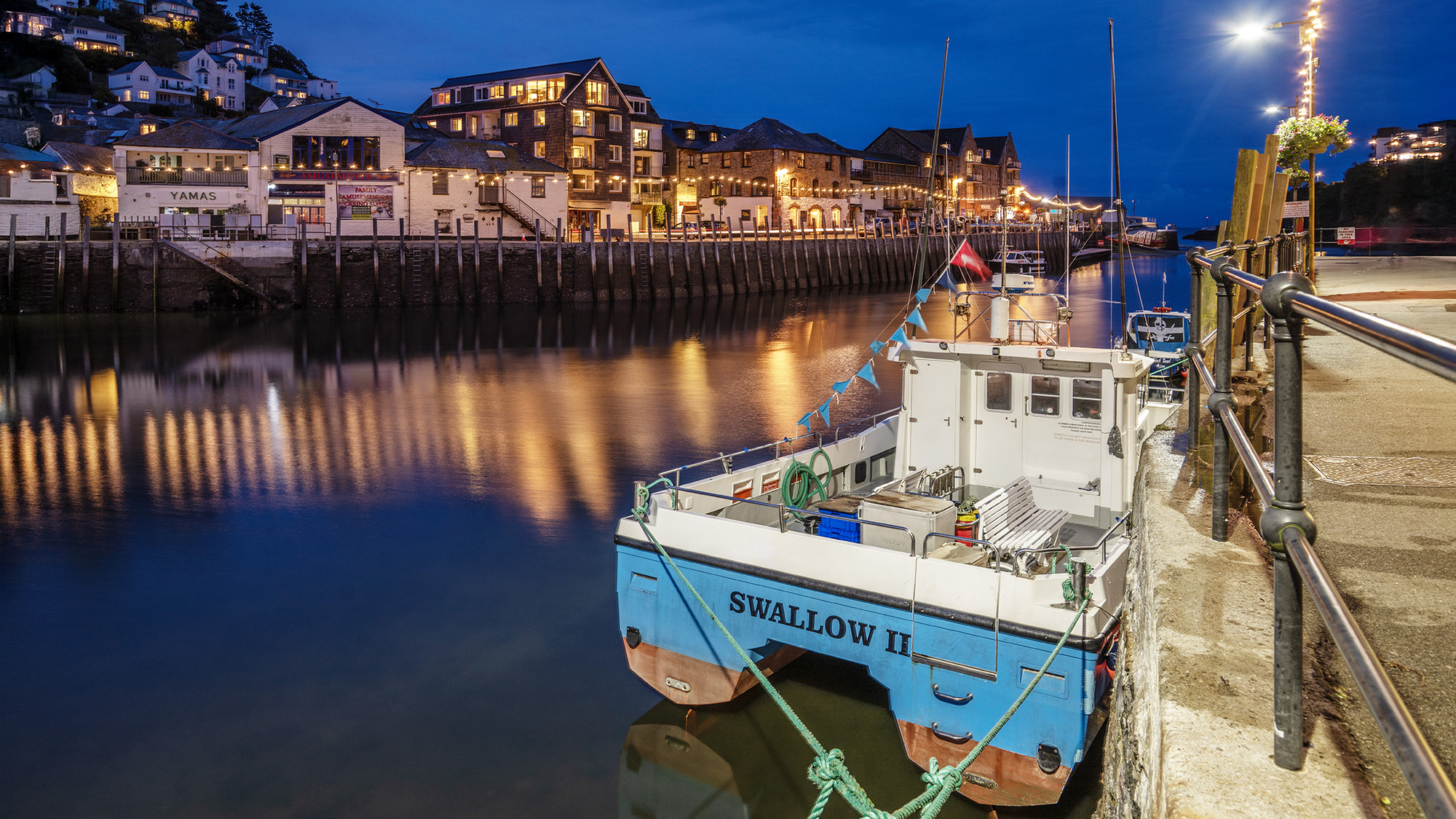
The great thing about shooting a harbor is that it doesn’t really matter what the weather is like, unless it’s a storm, in which case head for the pub until it blows over. Wait for sunset, set the camera on a tripod and use a shutter release cable or a timed delay release. A long exposure will smooth out the water.
3. People in the landscape
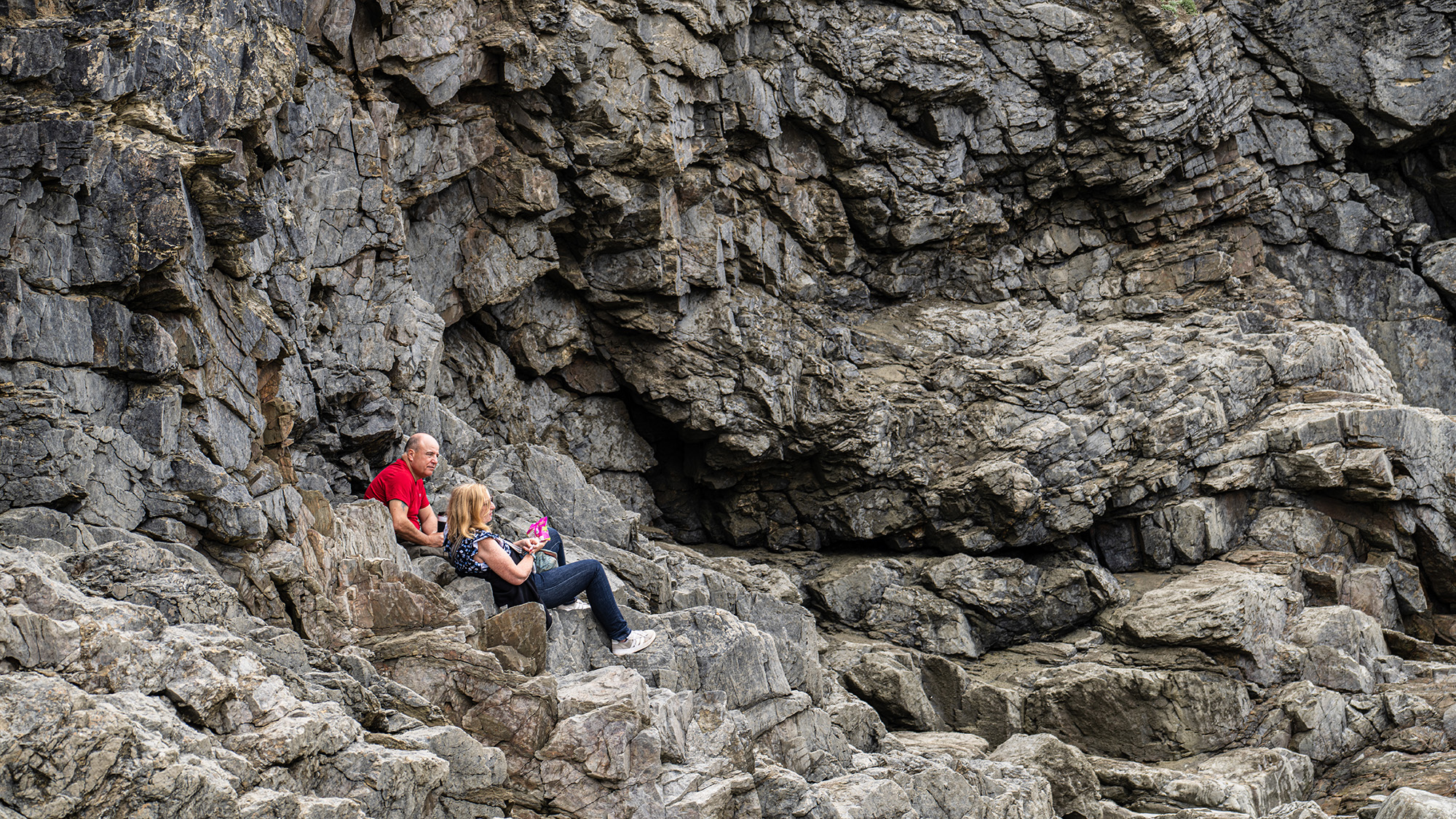
Unless you’re at some forgotten corner of north Scotland, there will be people, no matter what the weather. Unpack your long lens (180mm here) and look for the strange spectacle of people determined to enjoy themselves, dispute the lack of sun and, in this case, anything comfortable to sit on.
4. Shoot through the mist
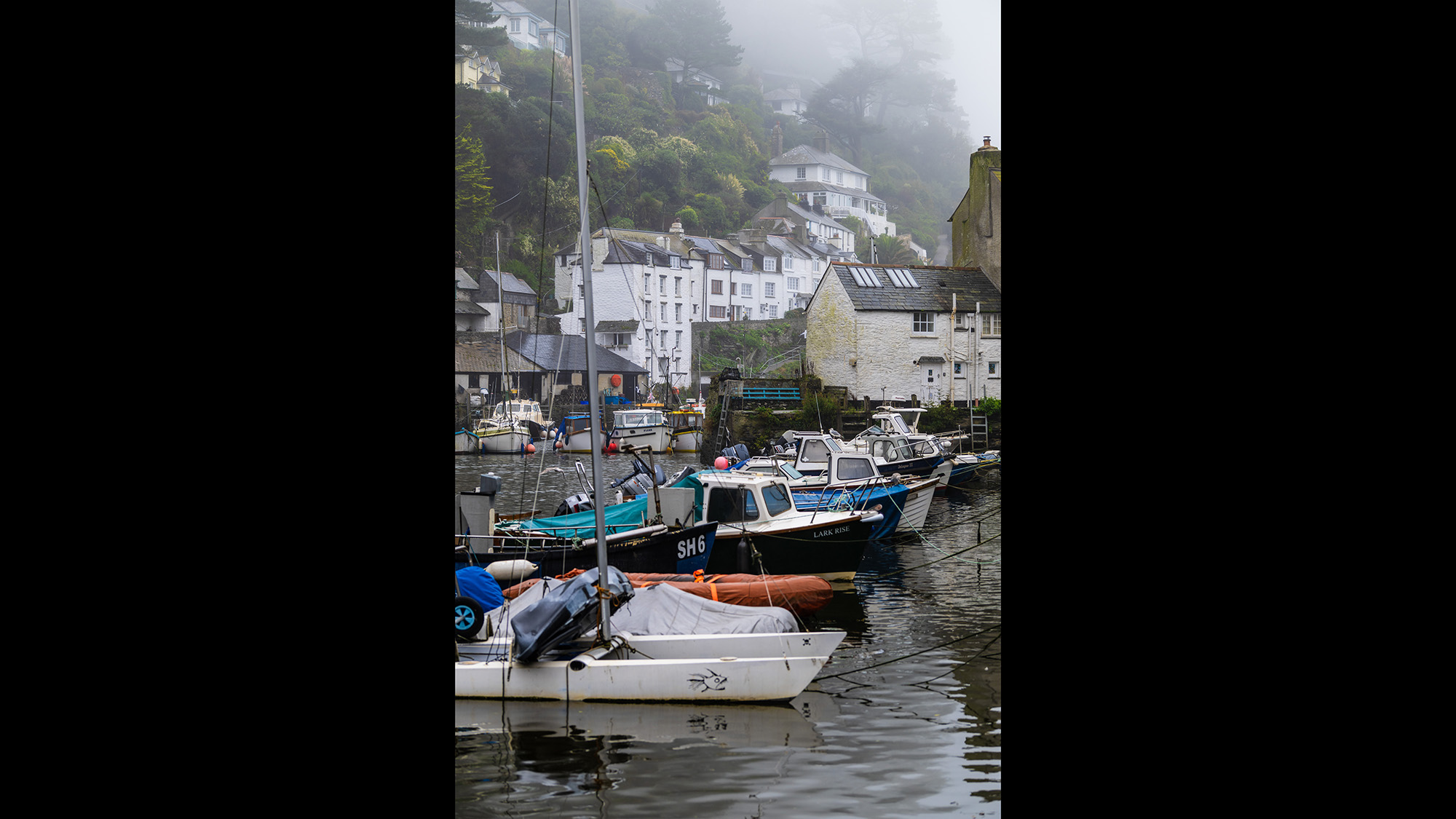
This particular day was like shooting from under a wet blanket all day long. Instead of cursing the fact that you could have gone to Portugal for the same money, look for interesting combinations that include the swirling mist. Black and white is also an option here.
5. Who lives here?
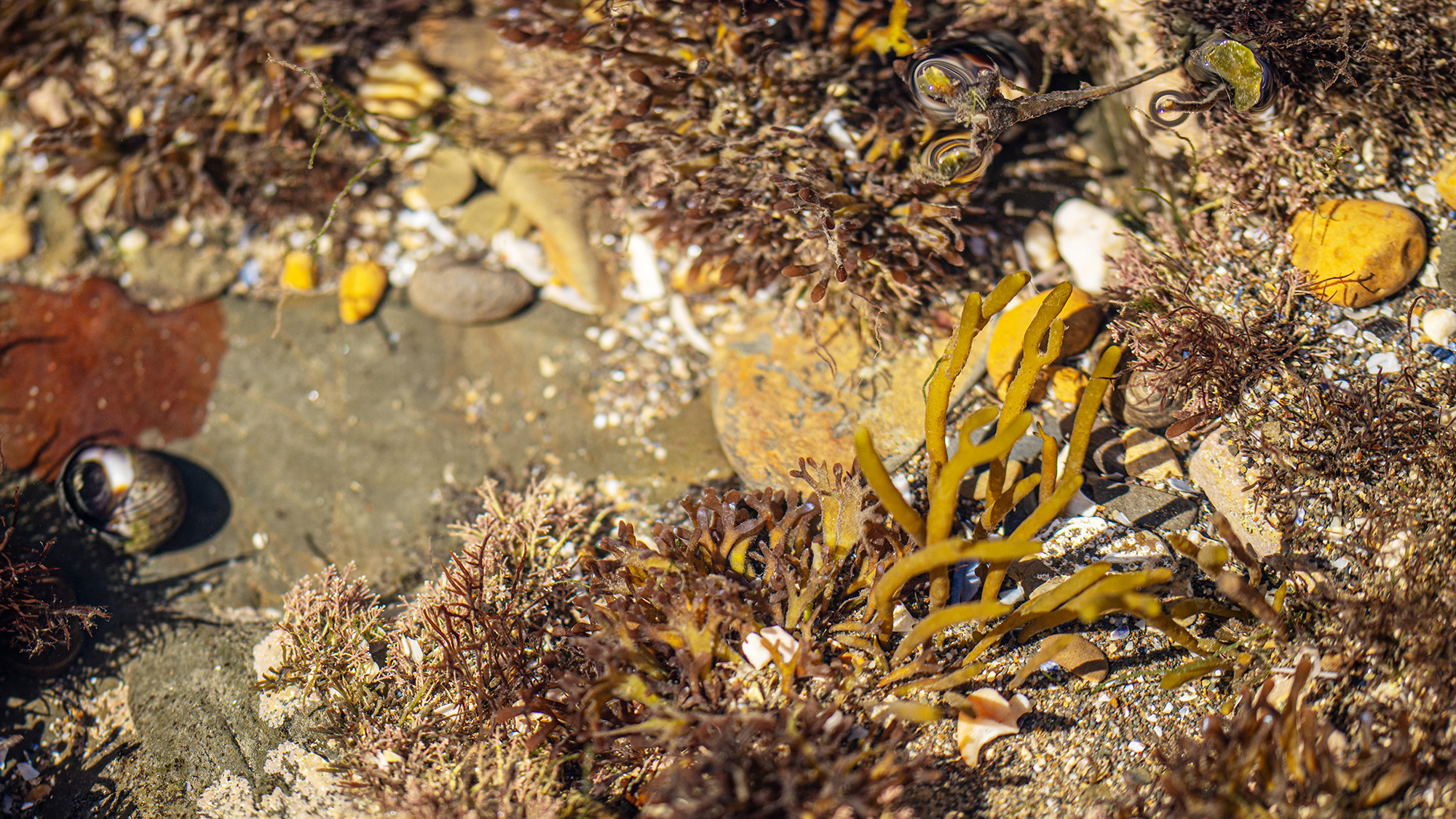
Where there are rocks at the coast there will be rockpools. Wait for the tide to recede then grab your macro lens and go see what’s living, or has been trapped, in them. Those which never really dry out are likely to have more interesting things growing in them. Remember, the closer you get, the less depth of field there will be.

Digital Camera World is the world’s favorite photography magazine and is packed with the latest news, reviews, tutorials, expert buying advice, tips and inspiring images. Plus, every issue comes with a selection of bonus gifts of interest to photographers of all abilities.
Subscribe now with our latest subscription deal! View Deal
Before you go…
Heading for the coast you’ll need a flexible wide angle lens for general use, a telephoto lens for bird photography, and a macro lens for close up work.
Author: Wendy Evans
Source: DigitalCameraWorld
Reviewed By: Editorial Team
