


RNA, which is one of life’s most crucial molecules dealing with the synthesis of proteins, could be common in the universe, according to a new experiment that shows how RNA could easily have formed on Earth 4.3 billion years ago.
RNA (short for ribonucleic acid) is a simpler cousin of DNA, which is the molecule that contains the genetic information for our cellular biology. RNA comes in a trio of guises. There is messenger RNA (mRNA) that is produced from DNA and contains the genetic instructions for forming proteins. Then there’s ribosomal RNA (rRNA) that creates ribosomes vital for producing proteins, and finally transfer RNA (tRNA) that does the actual synthesizing of the proteins from mRNA.
Because it is a simpler molecule than DNA, RNA is thought to have formed first, and thanks to its ability to carry genetic information and create other molecules, RNA has even been heralded as a possible main player in the story of the origin of life on Earth in a hypothesis colloquially known as “RNA world.” In this scenario, the first single-celled lifeforms would have used RNA rather than DNA for self-replicating and copying their genetic information.
Understanding how RNA formed has, however, been challenging. What prompted RNA’s ingredients to come together just so and undergo the correct series of chemical reactions? On the face of it, the odds of RNA forming just by chance seem astronomical.
So chemists look for pathways that could inevitably lead to the formation of molecules like RNA. One pathway is known as the six-step Discontinuous Synthesis Model (DSM).
However, one of the stumbling blocks on this pathway is borate, which is a family of common compounds found in seawater. Borates are oxyanions; if ions are atoms or molecules that have a positive electrical charge, then anions have an overall negative electrical charge. Further, borates contain atoms of both boron and oxygen. The problem is that it had been thought that borates hinder some of the reactions on the chemical pathway to RNA.
Now, a team of biochemists led by Yuta Hirakawa of Tohoku University in Japan and the Foundation for Applied Molecular Evolution in Florida say that chemists have been getting it wrong and that borates are actually beneficial to the formation of RNA.
Hirakawa’s team performed experiments in which they added the ingredients of RNA — the five-carbon sugar ribose, phosphates and the four nucleobases used by RNA (adenine, guanine, cytosine and uracil) — to a mixture that also included borates and basalt. They then heated the mixture and allowed it to dry out, mimicking conditions that they argue would have been common around underground aquifers on the early Earth.
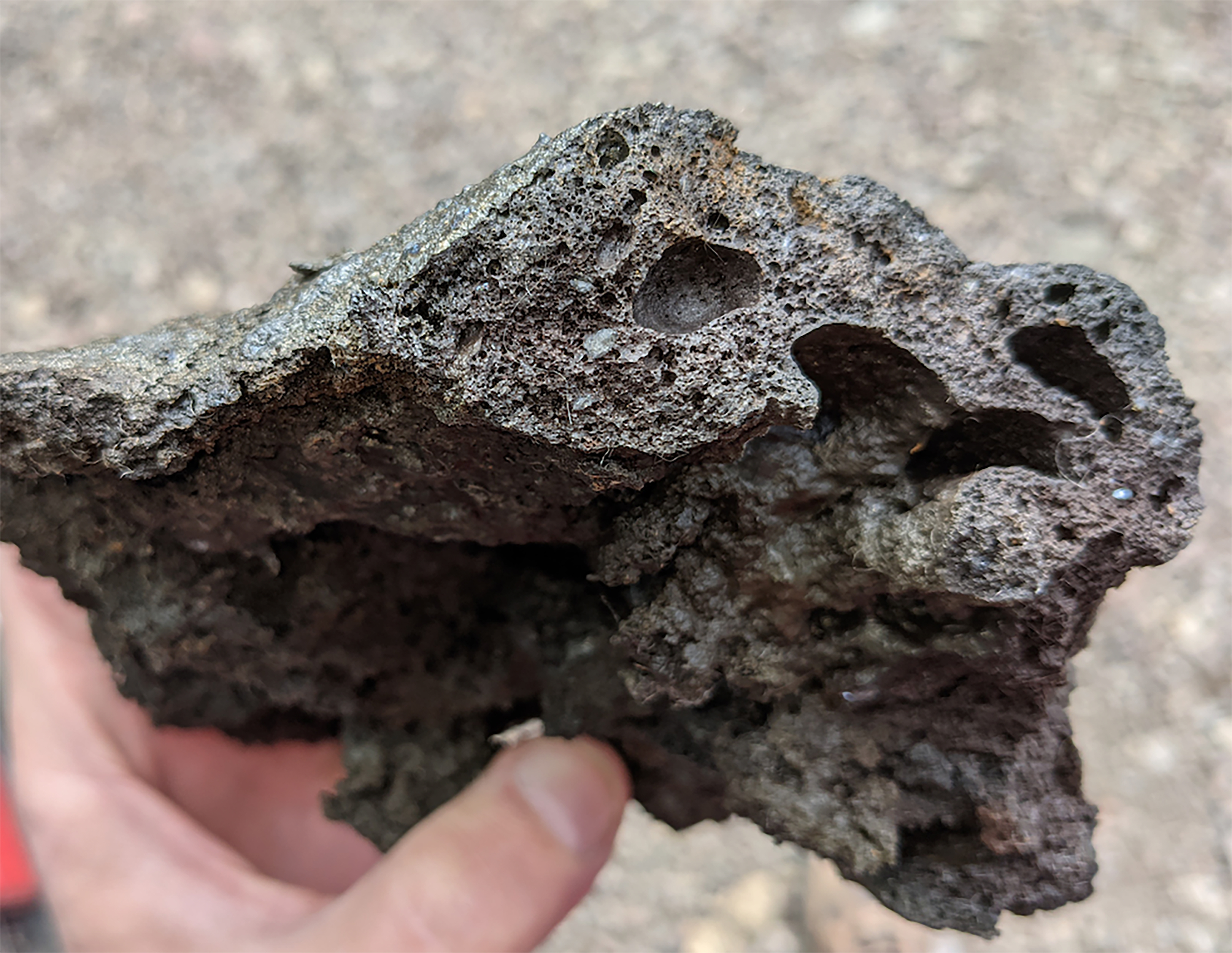
What they found was that RNA had formed in the mixture. Furthermore, the borates hadn’t hindered anything at all, but actually supported some of the steps in the DSM model, such as stabilizing the ribose molecules that can often be unstable and break down, and facilitating the production of phosphates.
These findings have also been bolstered by new discoveries about the sample of material brought to Earth from the asteroid Bennu by NASA’s OSIRIS-REx mission. In particular, with the recent announcement of the discovery or ribose in the Bennu sample, all the ingredients of RNA have now been identified in the 120 grams (4.2 ounces) of dirt and stones that OSIRIS-REx delivered to Earth from Bennu.
Hirakawa’s team envisage that the impact of a 500-kilometer-wide (310 miles) protoplanet, similar in size to the asteroid Vesta and loaded with RNA’s ingredients, could have brought RNA’s building blocks to our planet en masse. They estimate that this impact, and the production of RNA, would have taken place 4.3 billion years ago, 200 million years after Earth’s birth and 200 million years before the oldest evidence for life on Earth yet found, in isotopes of carbon found in 4.1-billion-year-old deposits of the mineral zircon.
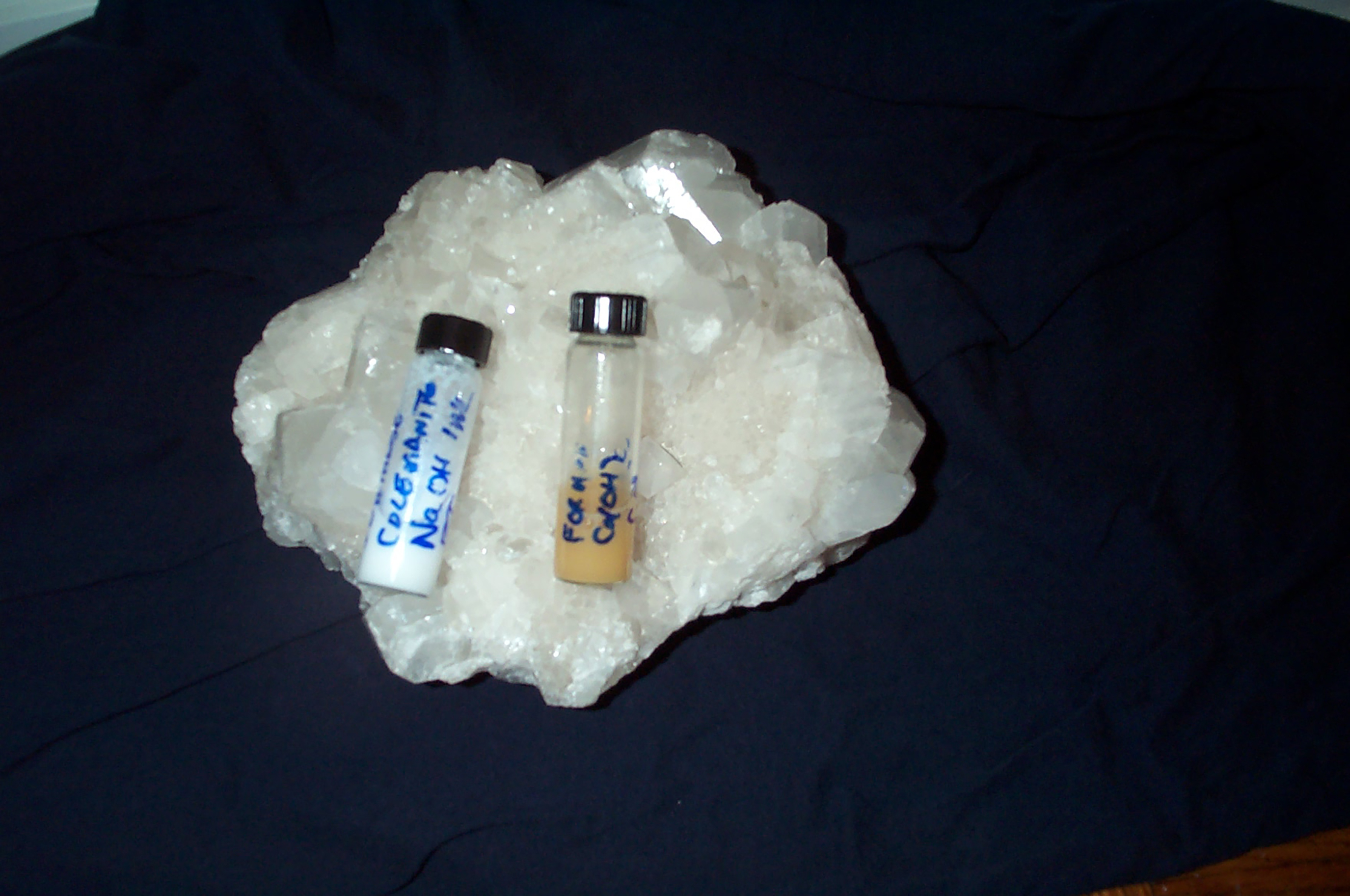
Previously, RNA had only been formed in a laboratory through human intervention to deliberately trigger chemical reactions. Hirakawa’s team argue that their research is the first time that RNA has been produced in the lab without humans getting involved, although critics argue that even the act of putting all the building blocks of RNA together in a test tube is a human intervention.
Impacts with large asteroids also occurred in the early days of Mars’ history, meaning that the building blocks of RNA would also have been delivered to the Red Planet. Intriguingly, borates have also been detected on Mars, meaning everything should have been in place to produce RNA there too.
Although RNA is not life, RNA is essential to almost all life that we know of. If RNA did form on Earth quickly, geologically speaking, then it could have provided a shortcut to the first simple organisms to arise on our planet.
The research was published on Dec. 15 in the journal Proceedings of the National Academy of Sciences.
Author: Keith Cooper
Source: Space.com
Reviewed By: Editorial Team