

Martin Parr, who died last December aged 73, was best known for his highly saturated color work. But before The Last Resort brought him to fame in 1986, he’d spent years mastering black-and-white photography with the same forensic eye and wry humour.
Now a new exhibition at The Photographers’ Gallery in London, England, reveals exactly what that looked like.
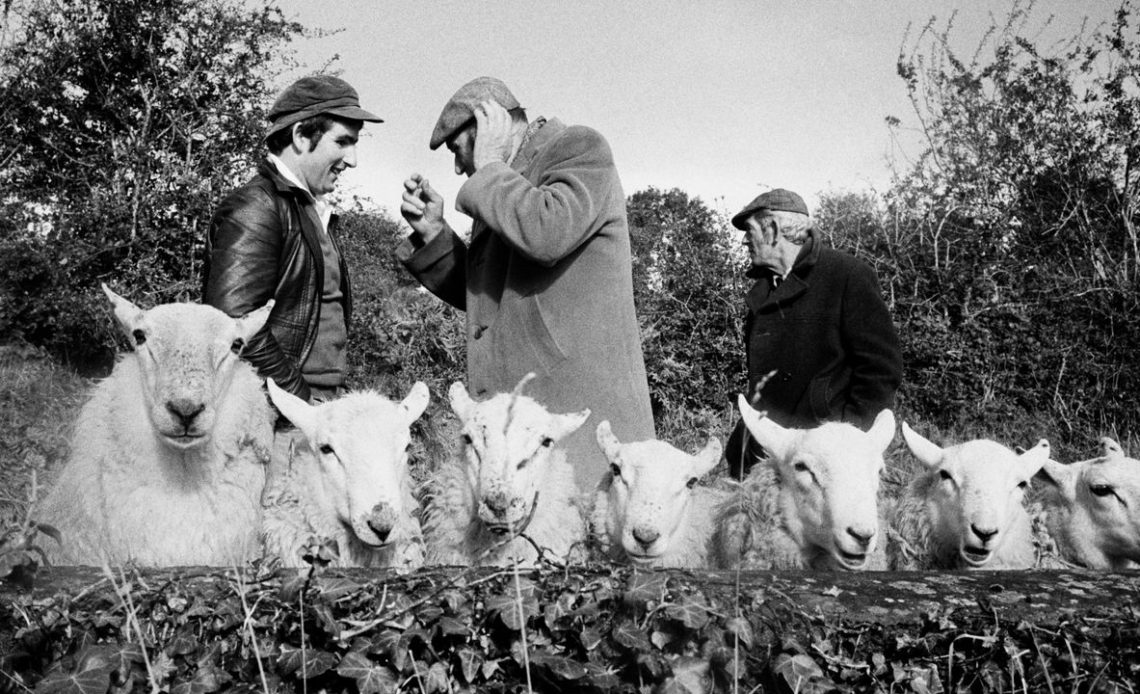
The show centers around his final major black-and-white project, shot in rural Ireland in the early 1980s. A Fair Day, running from February 06 to April 19 2026, shows work that Parr himself felt had been overshadowed by his later projects.
Poignantly, he’d been planning this exhibition with the gallery throughout 2025 – believing that these images spoke to contemporary debates around community and social change. Now, posthumously, they offer us a chance to study the craft foundations that underpinned his career.
Technical shift
Here, working in rural communities during ‘fair days’ (gatherings for trade, entertainment and religious observance), Parr deployed patience and a keen eye, rather than the confrontational intimacy of his later macro work.
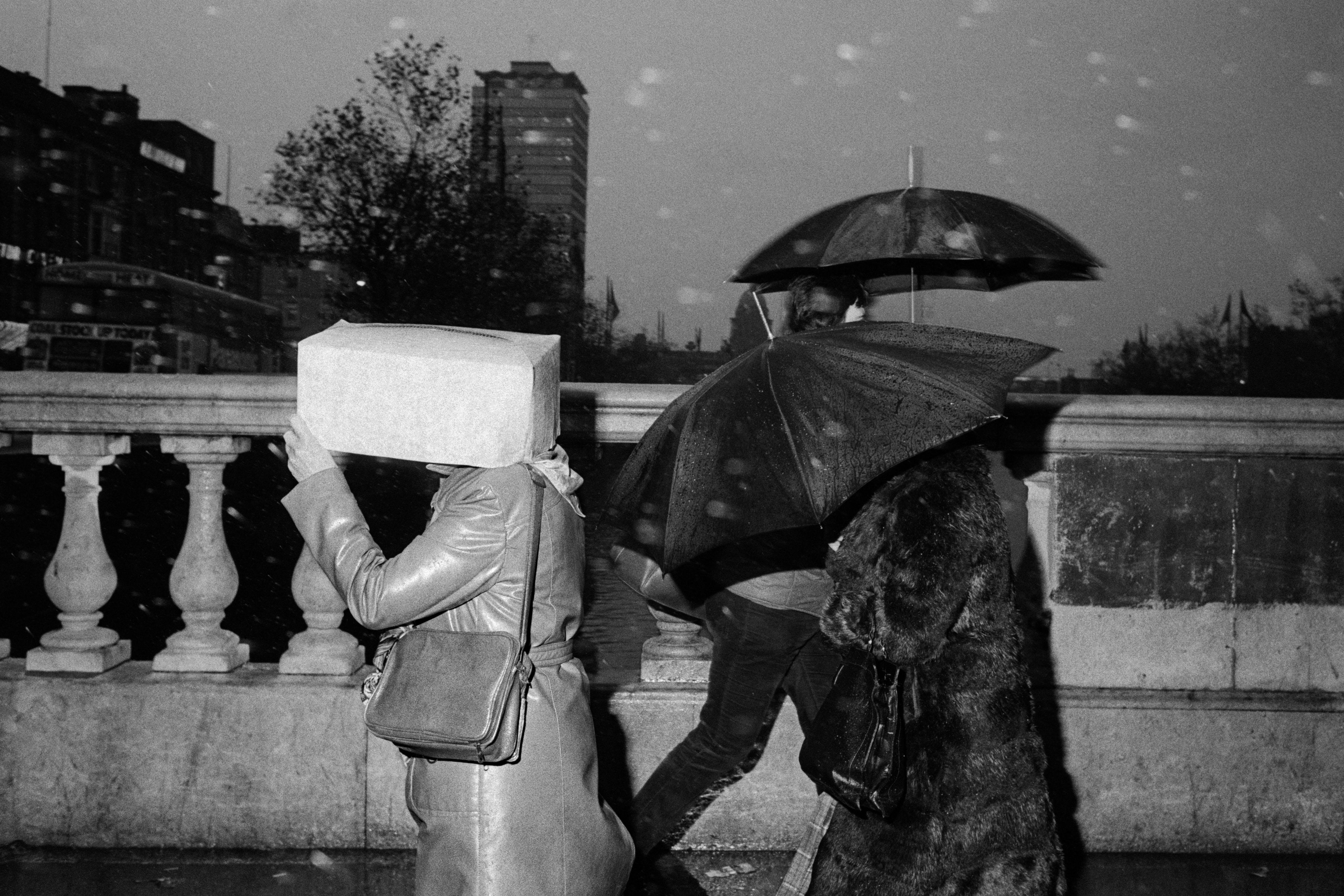
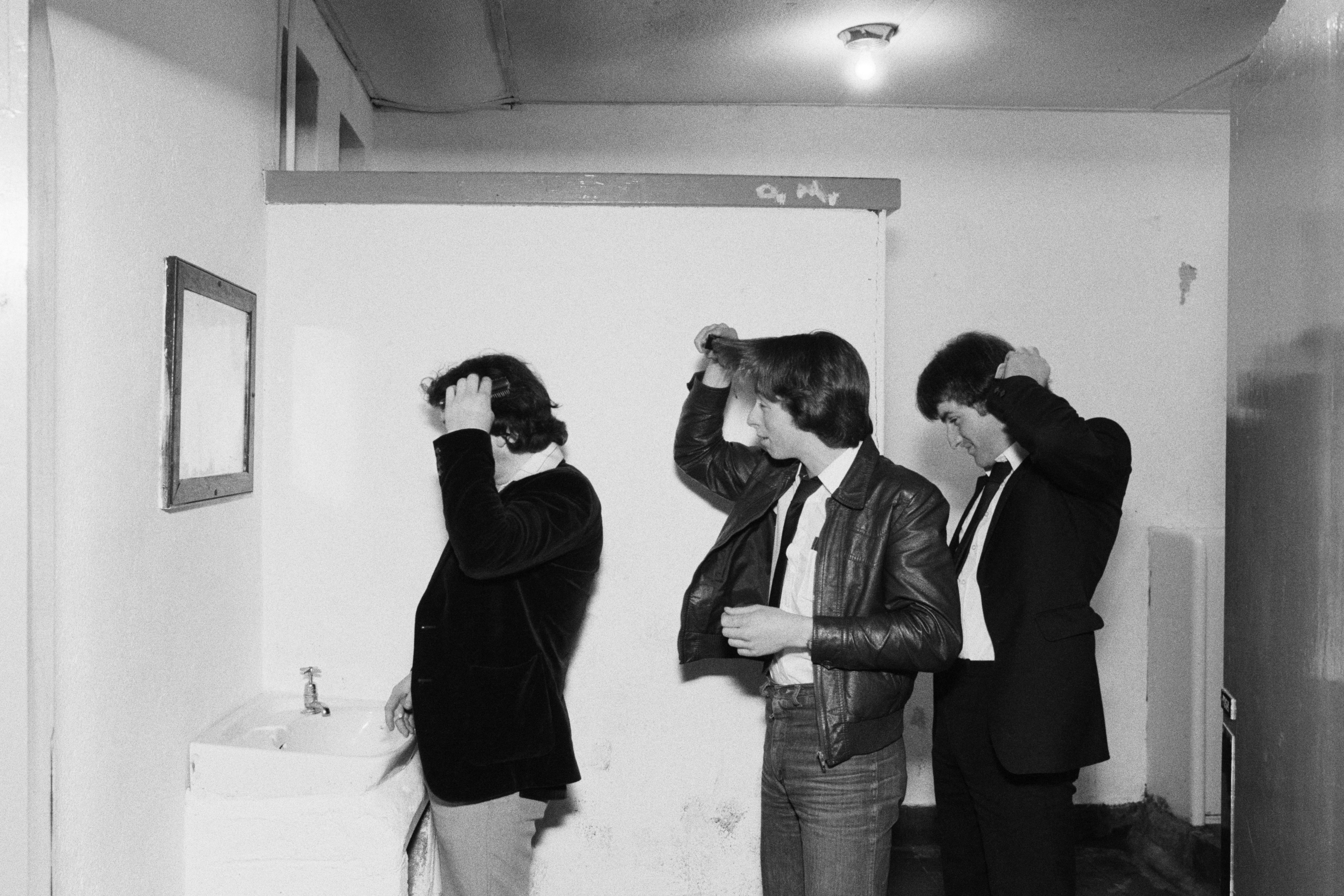
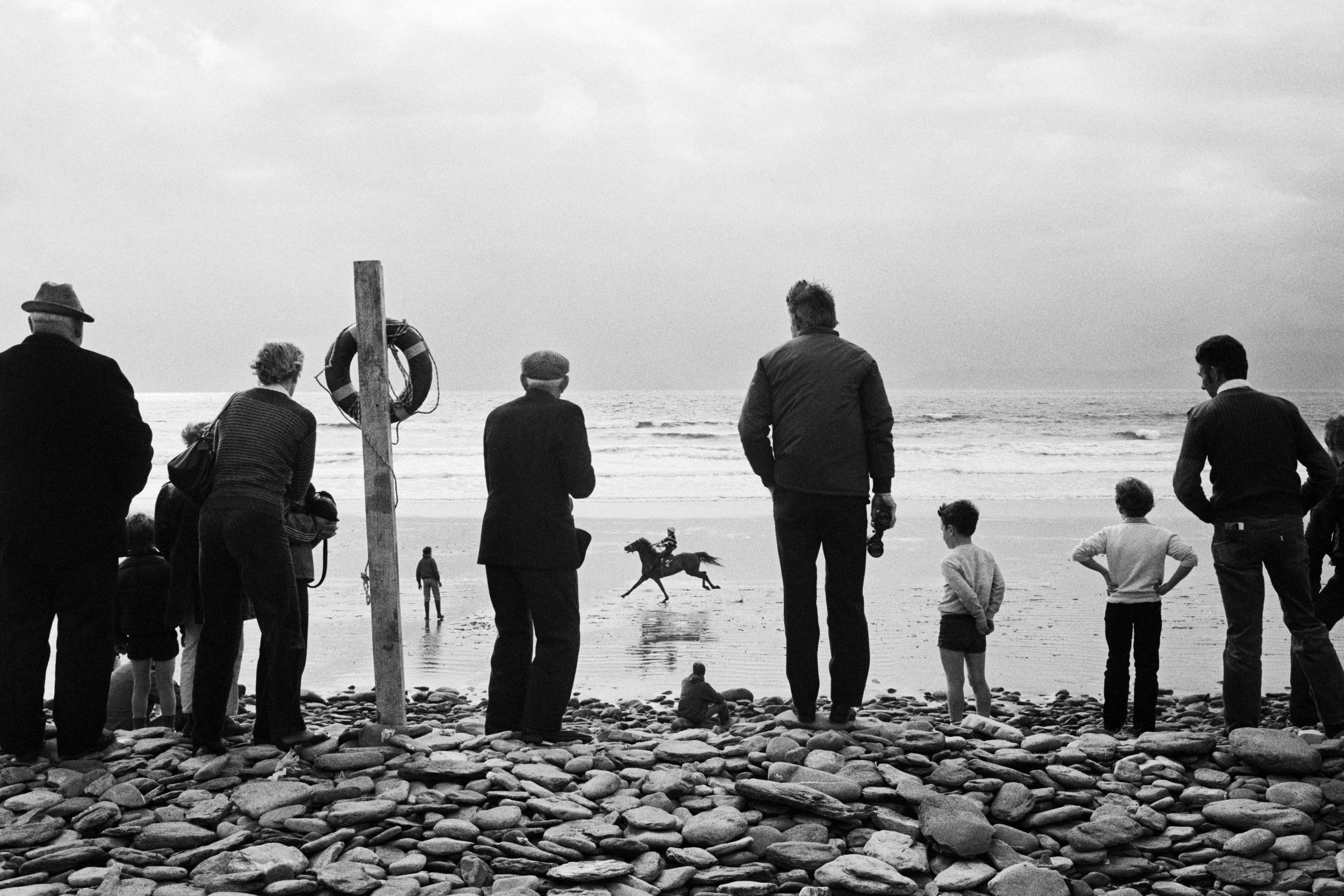
These are silver gelatin prints, now extremely rare, showing traditional darkroom craft. The tonal range, composition and timing reveal a photographer who’d thoroughly mastered classical documentary technique before later choosing to abandon it for something more provocative.
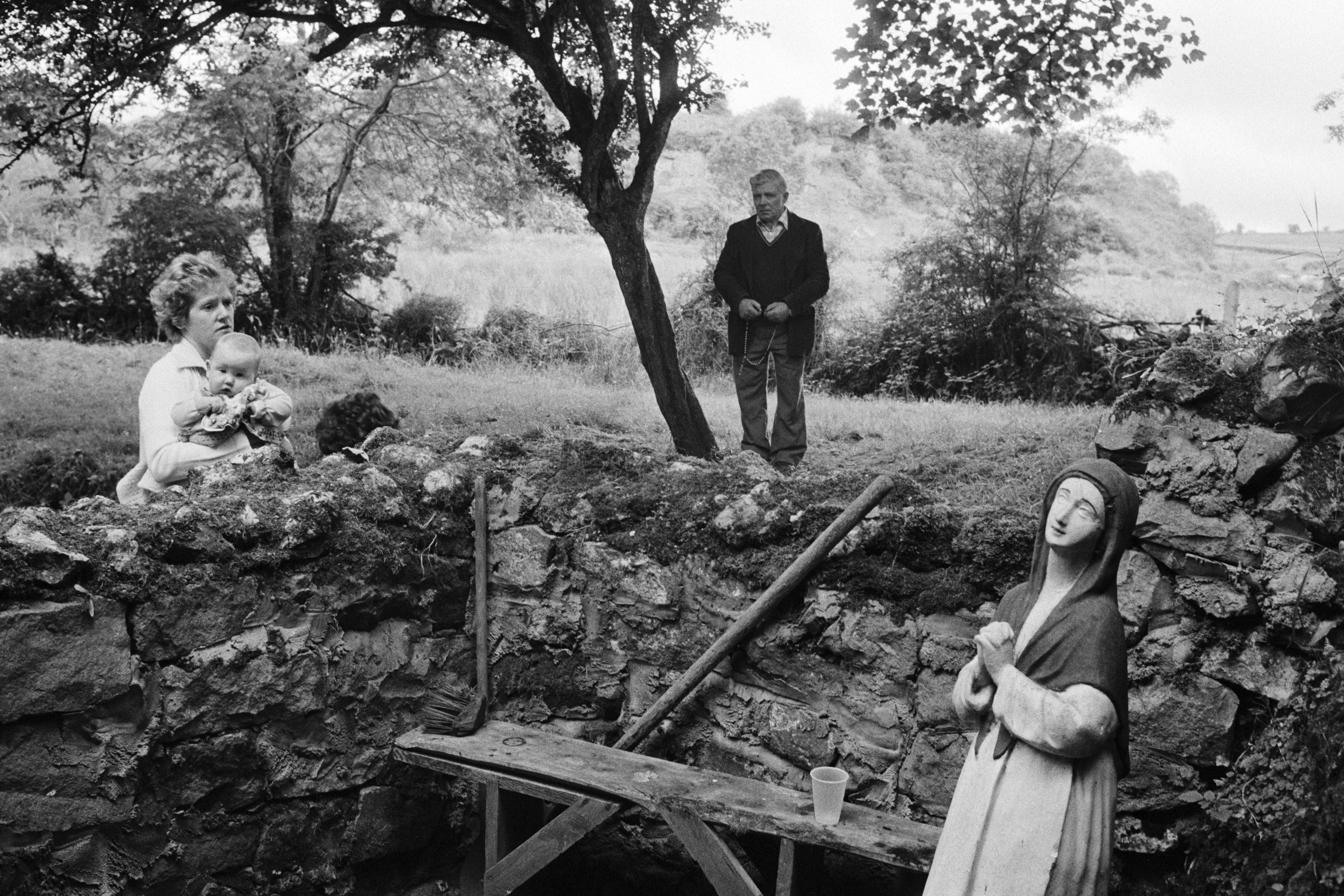
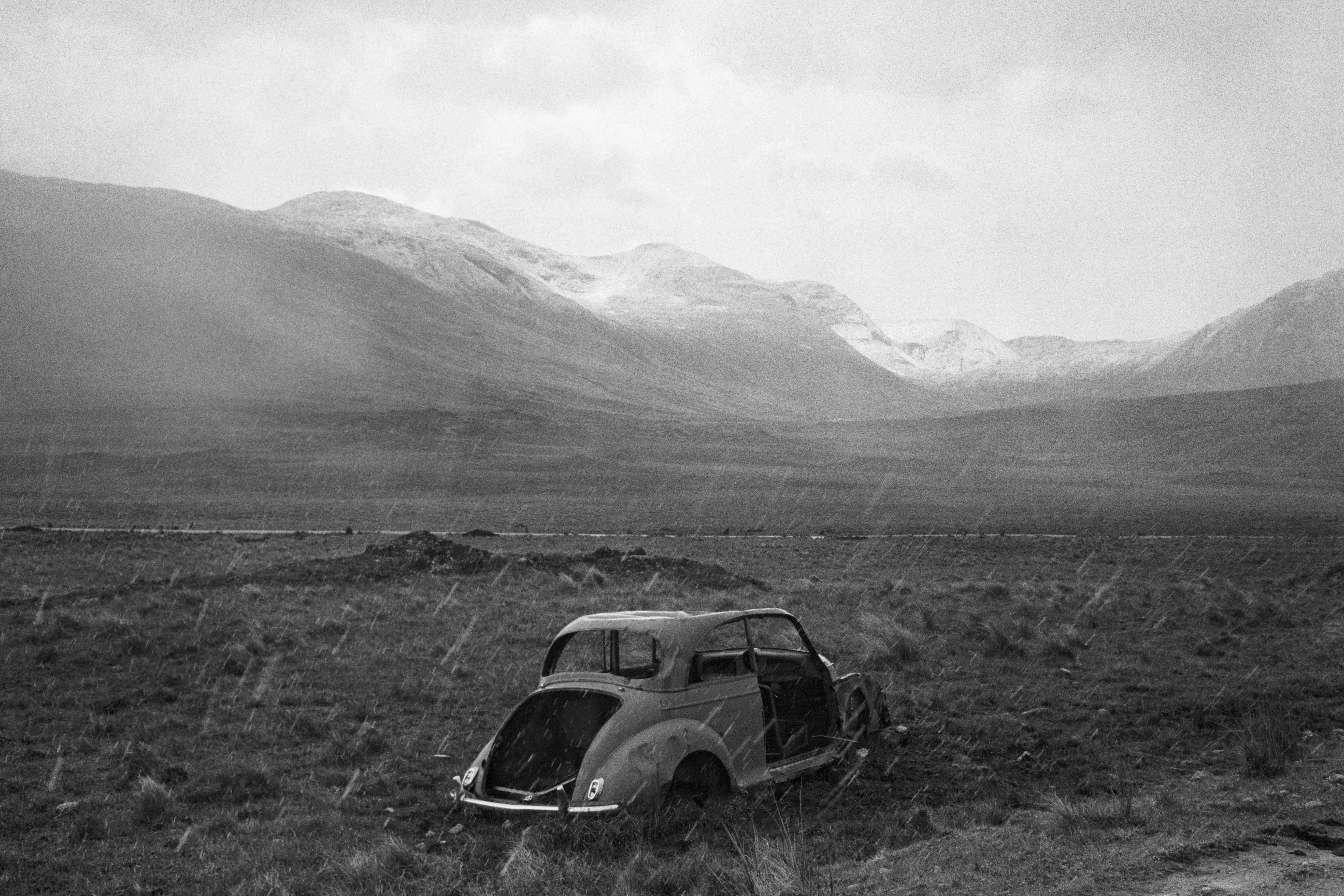
The photographs document Ireland in transition: cattle trading and horse fairs alongside abandoned Morris Minors and partygoers in 1980s fashion. At first glance, these scenes appear timeless. But look closer and you spot plastic cups at holy wells, TV aerials creeping into pastoral scenes.
This was exactly the kind of detail-oriented observation that would later define Parr’s color work, yet rendered with the subtlety that monochrome affords. The conclusion is striking: Parr’s eye for the telling detail, the gap between tradition and modernity, the absurdity hiding in plain sight; all this existed before the color and flash made it unmissable.
Avoiding clichés
Even in monochrome, Parr’s images avoid the romantic clichés into which documentary photography about rural Ireland easily falls. The exhibition text notes his “characteristic wit ensured the images avoided cliché.”
That wit – the slight distance, the eye for contradiction, the refusal to sentimentalize – would become more obvious in the color work, but it’s fully present here in more subtle form.
For photographers working in black-and-white today, these images offer a template for how to be affectionate without being reverential, observant without being voyeuristic, documentary without being didactic.
With the complete arc of his career now visible, these shots reveal how much his approach was consistent across technical changes. The same eye that saw plastic cups at holy wells in 1982 would see Union Jack deckchairs on littered beaches in 1984. The medium changed. The seeing didn’t.
Coinciding with Global Warming, a retrospective with a broader sweep running right now in France, A Fair Day offers an enticing chance to see a master’s apprentice work, made when he still had something to prove.
These photographs remind us that before Martin Parr changed documentary photography, he had to learn how to do it the traditional way first. He just did it better than most.
Author: Tom May
Source: DigitalCameraWorld
Reviewed By: Editorial Team