

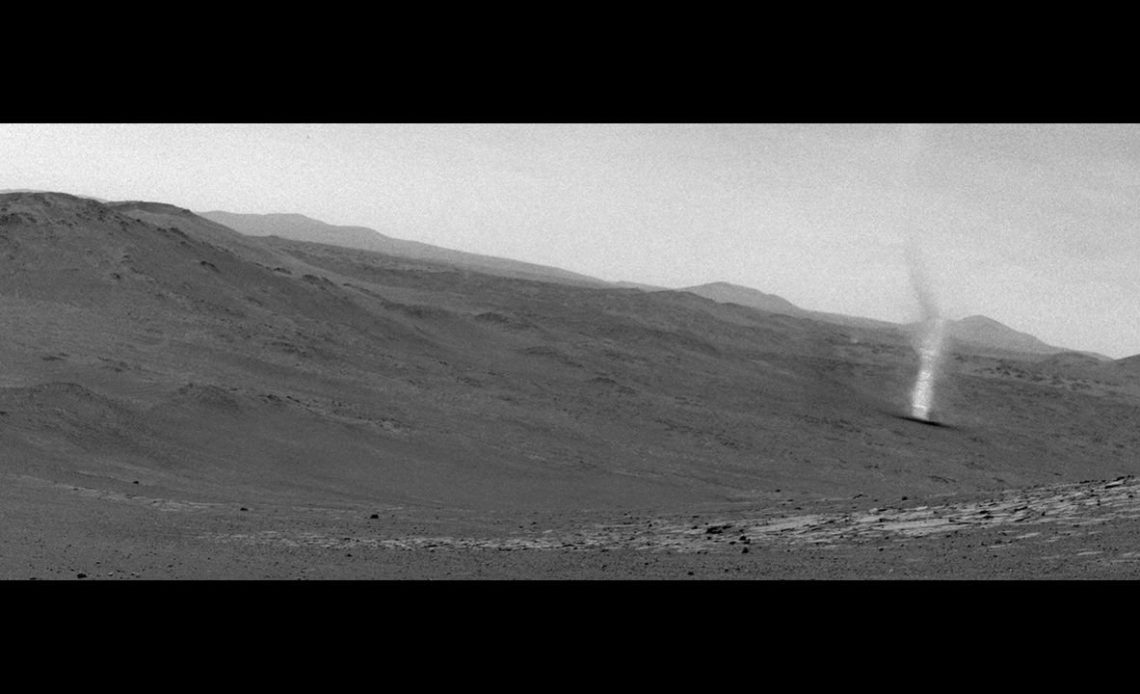
NASA just released striking new video and audio that reveal the sounds of dust storms on Mars crackling with tiny lightning-like sparks.
The footage, which NASA released on Dec. 3, was captured by the Perseverance rover inside Jezero Crater on Sept. 6, as Martian dust devils swept across the surface. Meanwhile, the rover’s SuperCam microphone also picked up the sounds of faint crackles and mini-sonic booms, marking the first clear recording of electrical discharge inside a Martian dust storm, according to a statement from NASA.
For decades, researchers suspected that wind-blown dust on Mars could build up enough static charge to spark, but that idea long remained mostly theoretical. Mars’ thin atmosphere lowers the threshold for electrical discharge, allowing even small swirls of dust to generate sparks that would never form in Earth’s denser air.
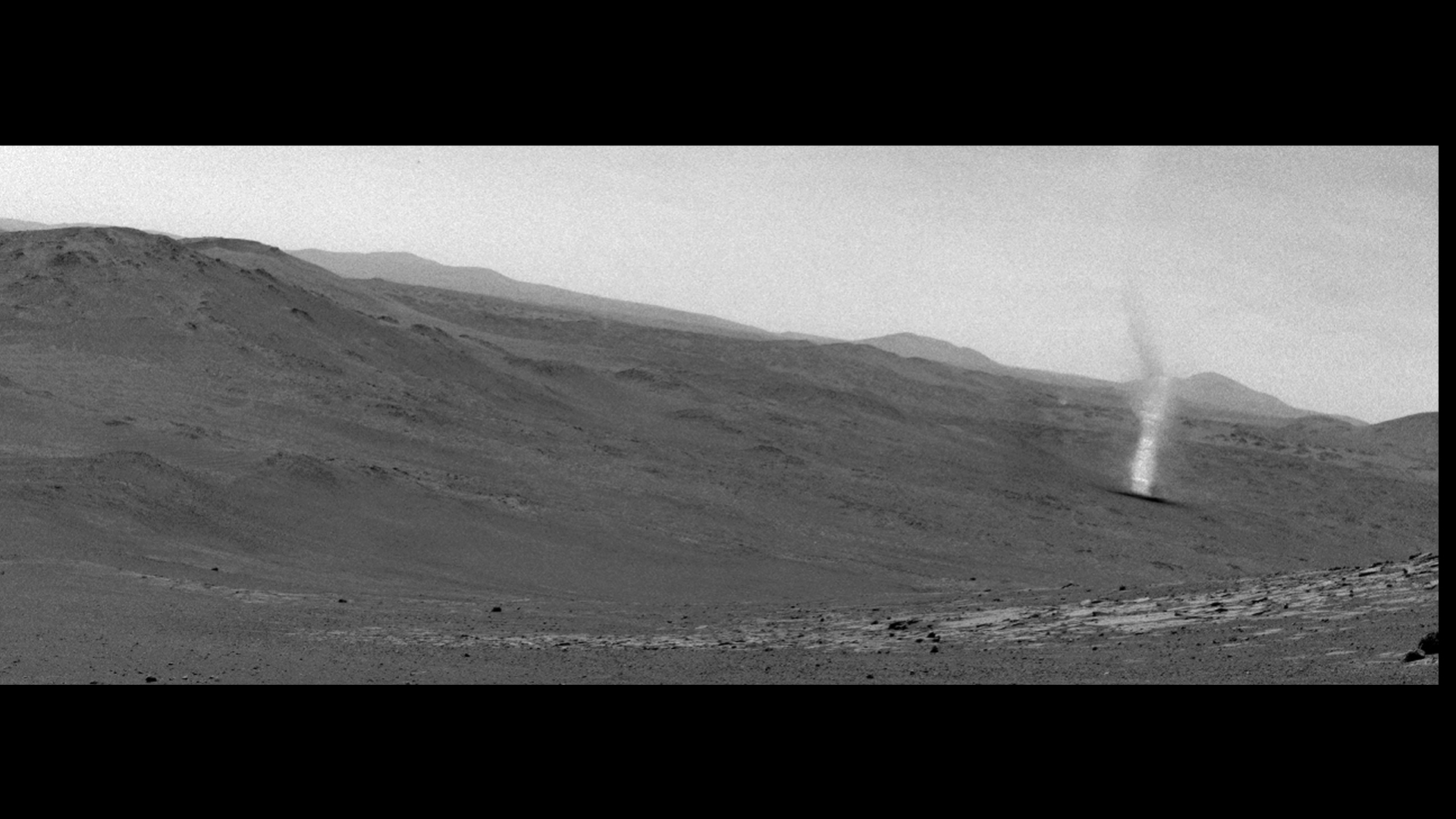
Perseverance has now confirmed those theories — not just in raw sensor data, but in sound you can actually hear. While the discovery was first detailed in a study published Nov. 26 in the journal Nature, NASA has now released, for the first time, a striking GIF and audio clip showcasing the electrified dust devils in action.
“We got some good ones where you can clearly hear the ‘snap’ sound of the spark,” Ralph Lorenz, co-author of the study and a Perseverance scientist, said in the statement.
Dust devils on Mars form when air near the warm surface heats up and rises through cooler surrounding air, causing nearby air to rush in and start rotating. As this spinning air column accelerates, it lifts dust from the ground, creating a swirling dust devil.
Electrical sparks then form when dust particles in the swirling column rub and collide, building up static electricity. When the charge gets strong enough, it discharges as a tiny spark — a process called the triboelectric effect, which is similar to the static shock a person may experience from walking on a carpet and touching a metal doorknob.
These sparks aren’t dramatic lightning bolts like on Earth — they’re tiny, localized and only centimeters long. Studying them helps researchers better understand Mars’ atmospheric chemistry, climate and habitability, and could guide the design of future robotic and human missions to the Red Planet.
While exploring Mars, Perseverance has logged dozens of these electrical events, and at least one passed directly over the rover, letting its microphone capture the crackling walls of dust as grains collided and discharged.
“In the Sol 215 dust devil recording, you can hear not only the electrical sound, but also the wall of the dust devil moving over the rover,” Lorenz said in the statement. (A sol, or Martian day, is about 40 minutes longer than a day here on Earth.) “And in the Sol 1,296 dust devil, you hear all that plus some of the particles impacting the microphone.”
The new audio and visual data from Perseverance provide a fresh look at Mars, capturing the sparks and crackles in the swirling dust storms that rage across the planet’s surface.
Author: Samantha Mathewson
Source: Space.com
Reviewed By: Editorial Team