

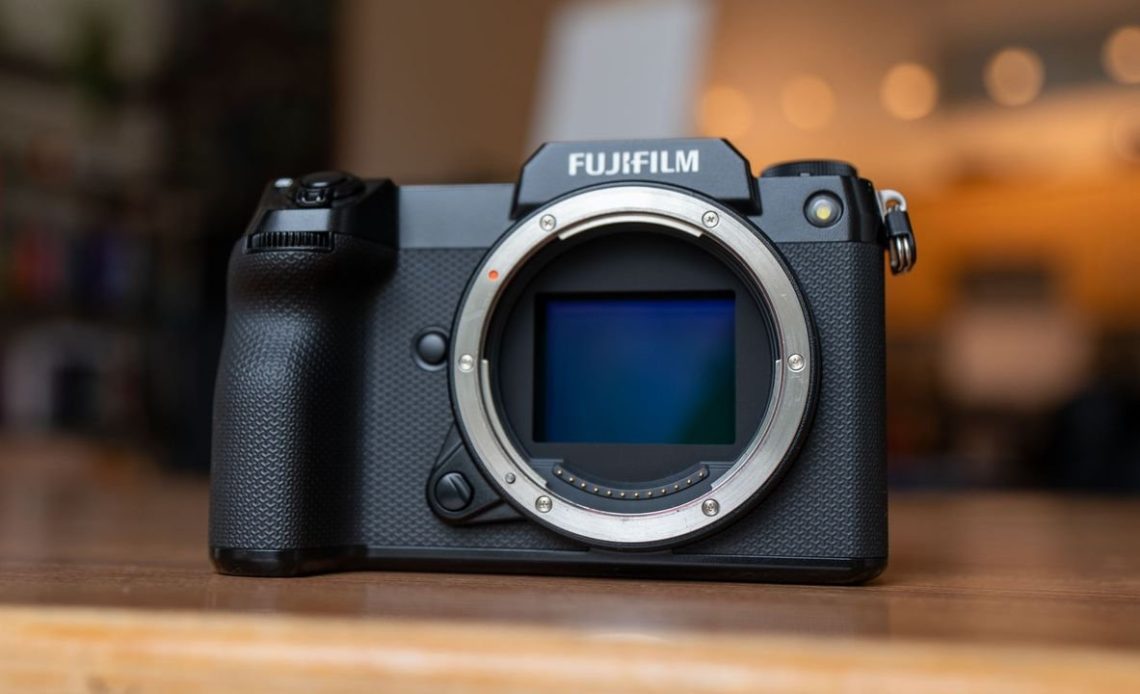
The Fujifilm GFX 100S II is the company’s answer to a portable version of the GFX 100 II, their medium-format flagship. It lacks the full hybrid capability of the GFX 100 II, which features massive 8K video capability and extended video recording connectivity. Both of the cameras boast the same 102MP sensor and X-Processor 5, but the GFX 100 S II is lighter and is primarily focused on shooting stills.
It’s definitely one of the best cameras for photography, as it can handle a range of different styles, including landscape, portrait, nature and astrophotography. We tested it for all of these styles, and we think it is a great camera for the astrophotographer who uses extreme cropping or is involved in publishing large-scale prints. It doesn’t come cheap, but it crafts amazing imagery with huge amounts of detail and dynamic range, which makes subjects pop.
Fujifilm GFX 100S II review
Fujifilm GFX 100S II: Design
- Huge medium-format sensor
- 102MP sensor resolution
- Highly customizable
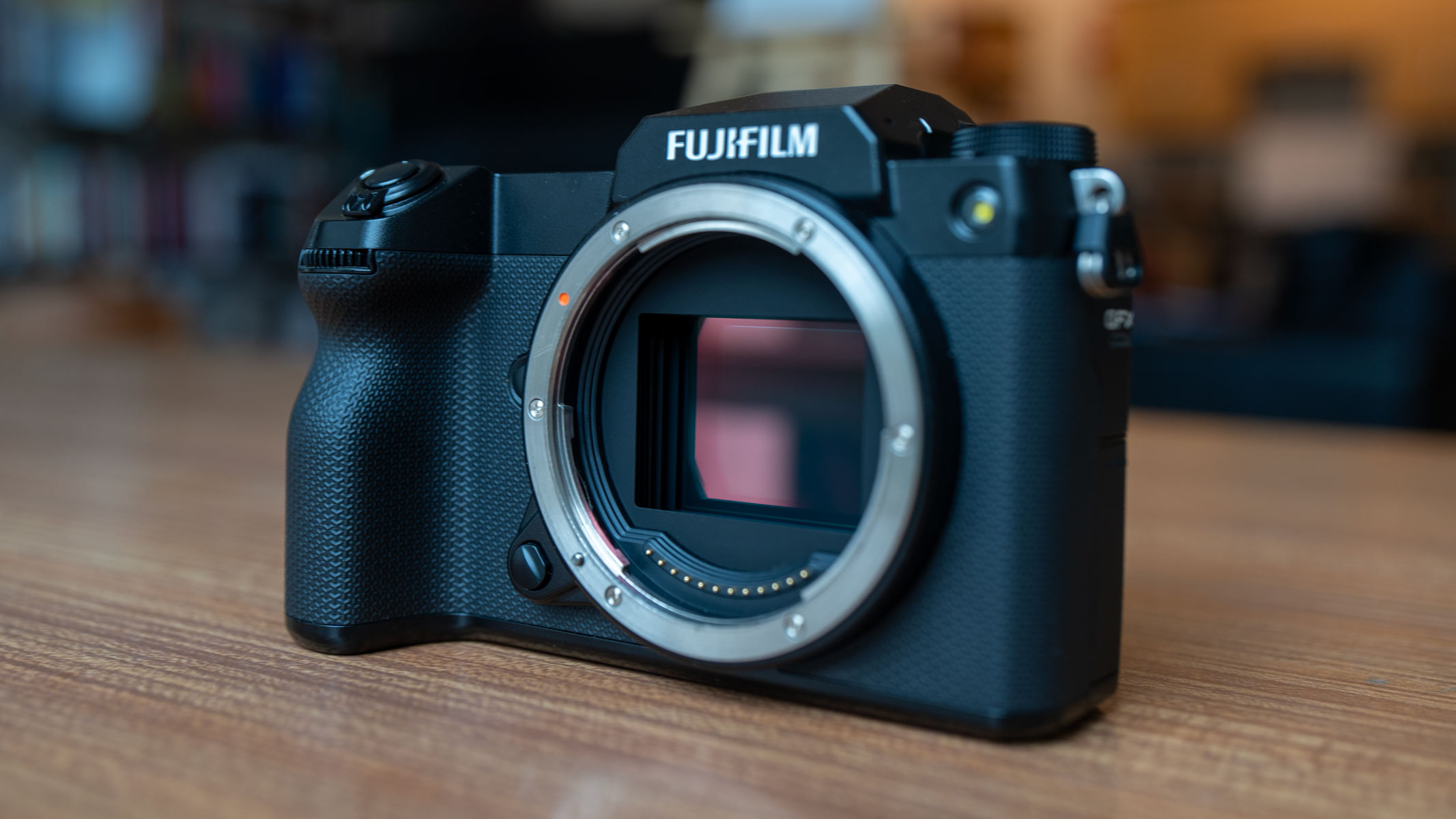
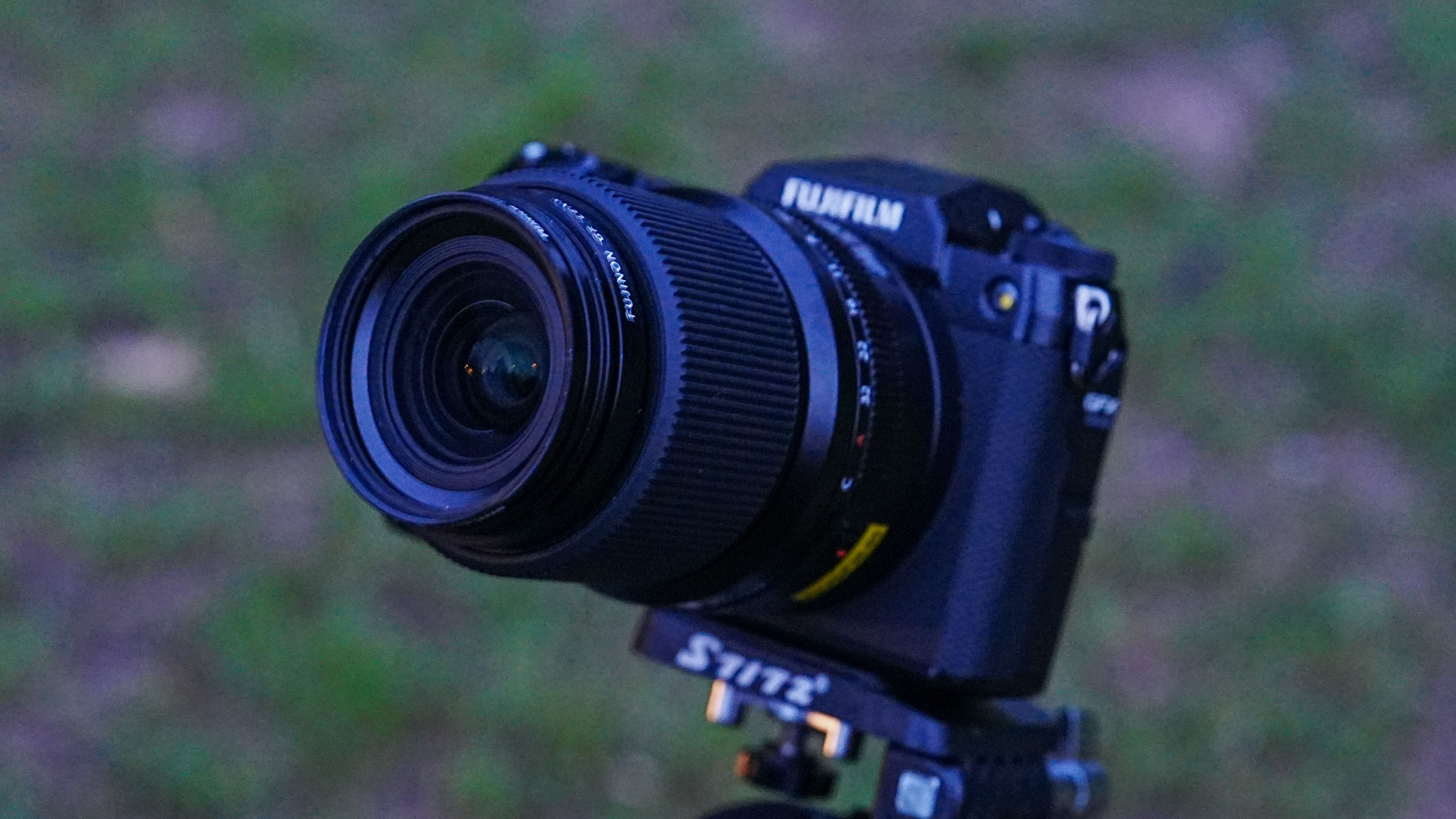
The design of the GFX 100S II is sleek and portable for a medium-format camera. At 1.95 lbs (883 g), it is fairly heavy compared to some full-frame models but it is actually lighter than the Nikon Z9 and Canon EOS R3. It is even lighter than its direct 100MP competitor from Hasselblad.
What makes this camera stand out is the huge medium-format sensor, which measures 43.8 mm x 32.9 mm and is approximately 1.7 times bigger than a full-frame sensor. In theory, a larger sensor should be able to capture more light, and therefore, we should expect a medium-format camera to be a strong choice for astrophotography. We think it would be a good choice for astrophotographers who are interested in large-scale prints or for photographers who do a lot of cropping. This is thanks to the 102MP sensor resolution, which allows extraordinary detail to be retained when an image is blown up or extremely cropped.
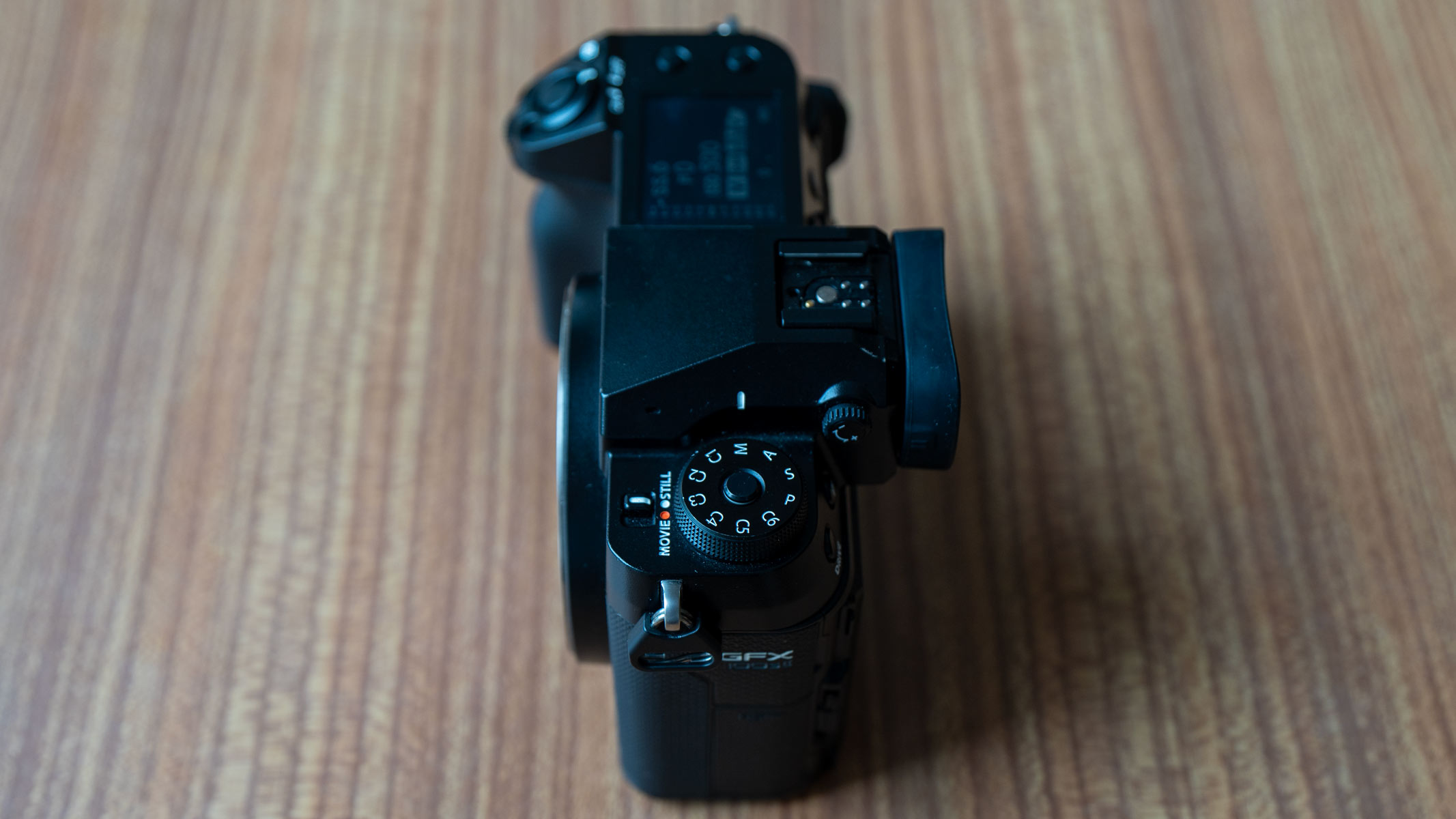
The top controls feature a mode dial with six custom shooting modes for professionals who need lots of flexibility when shooting different subjects and styles. An easy mode switch takes you easily from still to video shooting and vice versa. For a camera with so much customizability, the range of buttons does not feel too overwhelming and is actually very intuitive. Take, for example, the exposure compensation found just in front of the shutter button, which makes adjusting exposure easy and quick during shooting.

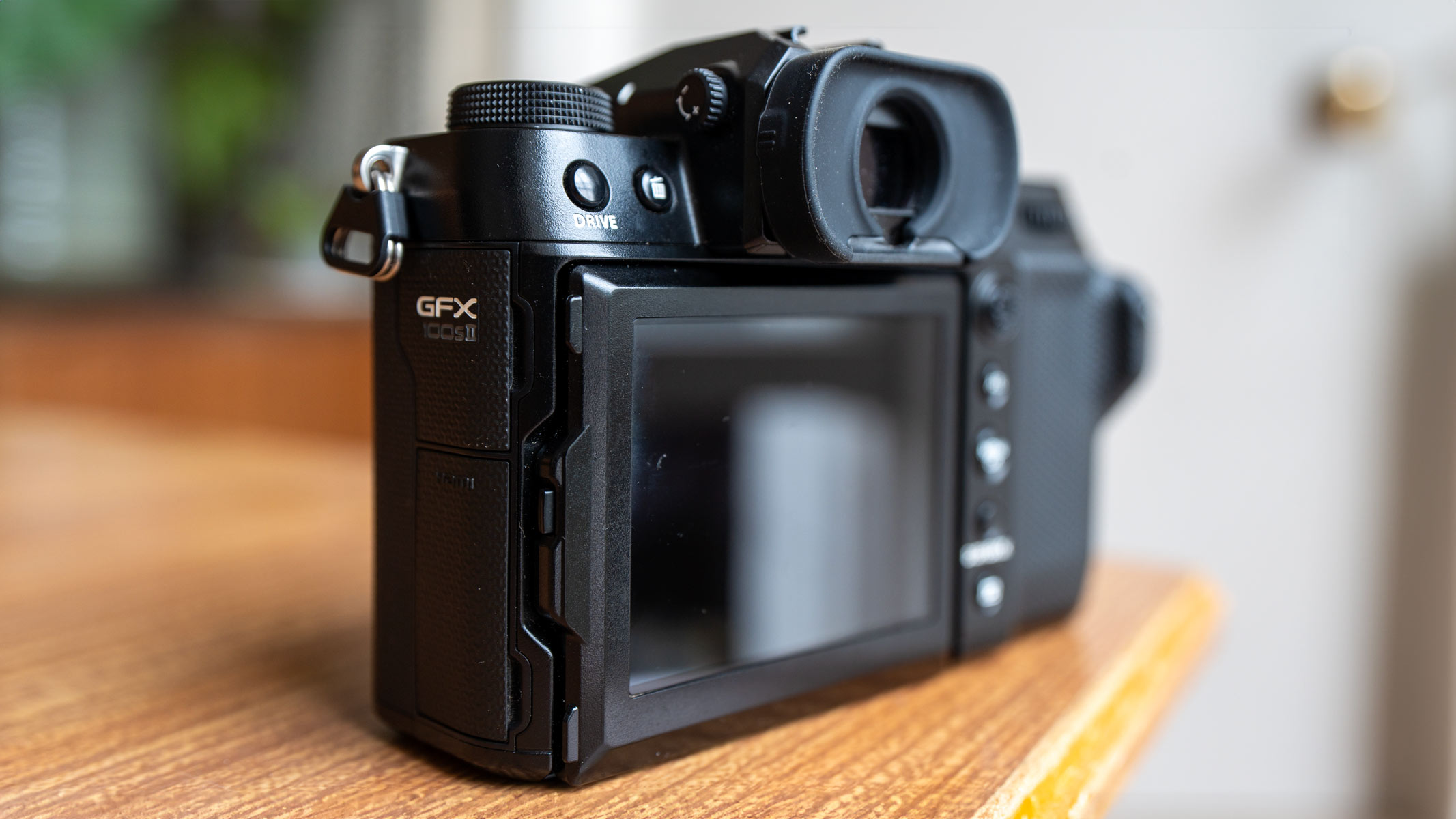
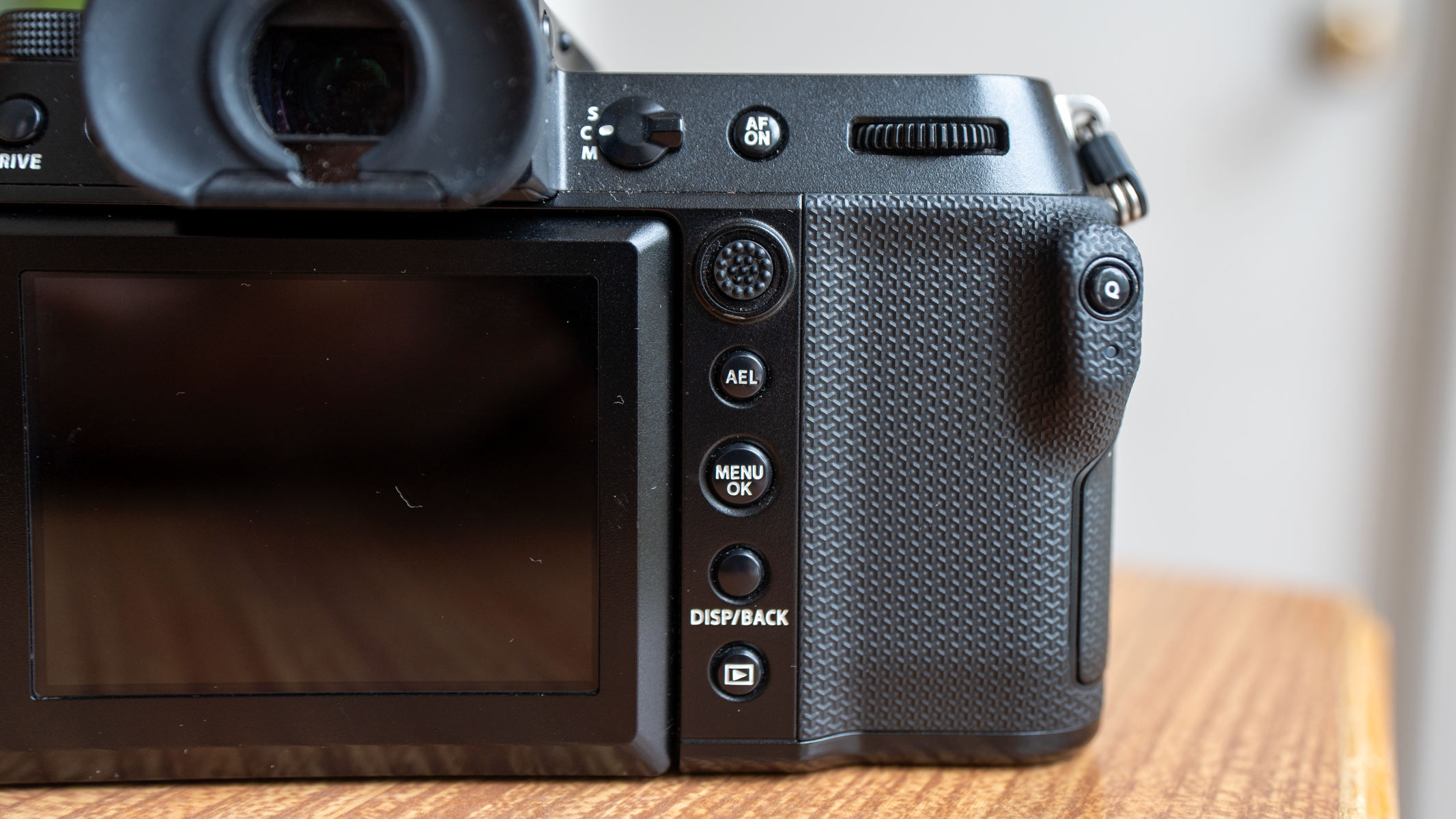
The back panel reflects the same ethos, with a range of buttons but not too many as to be confusing. I found myself using the quick menu button a lot to change a range of things, including file capture type, film recipe simulation, ISO and timer settings. The quick menu is a small Q on the back of the body placed where it is easy to access with the right-hand thumb. A joystick makes it easy to move through the 16 customizable menu items.
The three-way tilting main LCD screen helps when shooting some high and low angles, but you would expect a fully articulating screen for the premium price of over $5000.
Fujifilm GFX 100S II: Performance

- Shutter button lacked response
- Three-way tilt of LCD screen was useful for astrophotography
- Performed well for astrophotography
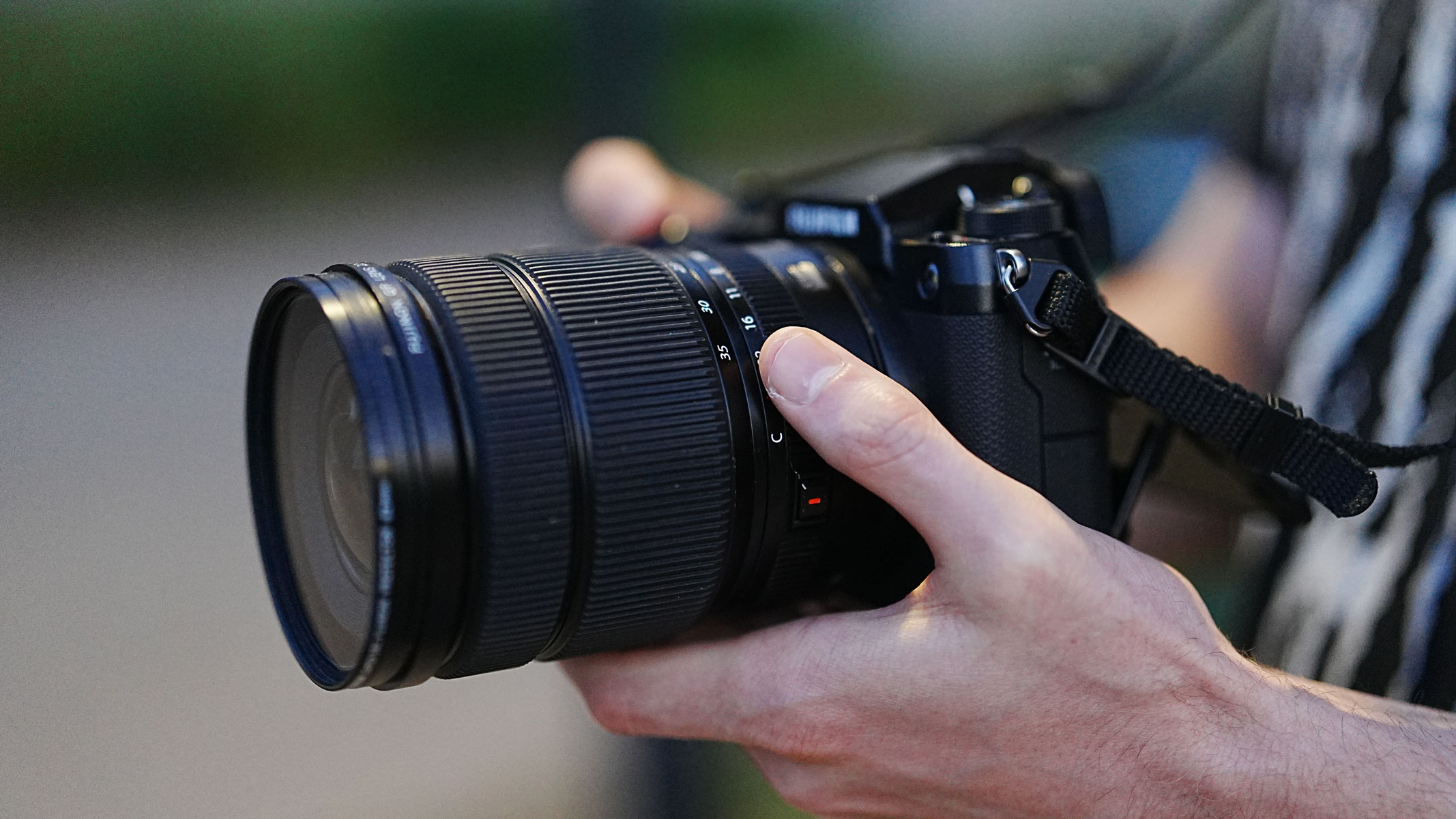
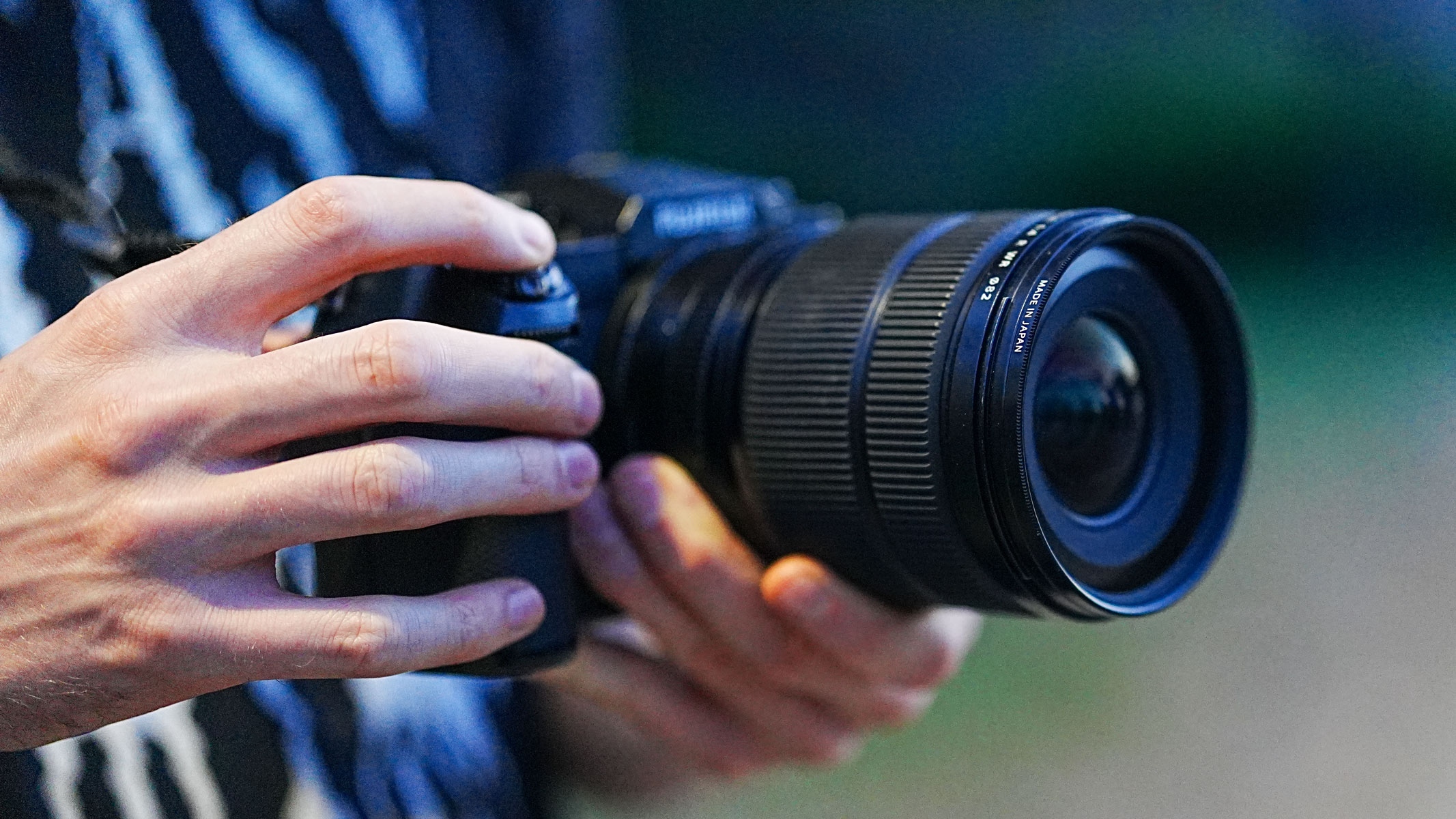
You can feel the professional weight of the GFX 100S II during handheld use, but it handles well thanks to a deep-shaped grip covered in Fujifilm’s trademark Bishamon-Tex leather-like coating. This was especially useful when handling the camera with heavier GFX lenses, which added considerable weight to the setup.
Whilst the operation of such a pro-level camera did seem intimidating, it was relatively simple to change exposure settings using the rear and front command dials on the body of the camera. I found the pressing of the shutter button didn’t have as hard a physical response as a Sony camera, so the actual process of shooting the frame felt a tad delayed. This is just my preference and the camera response speed is definitely not slow.

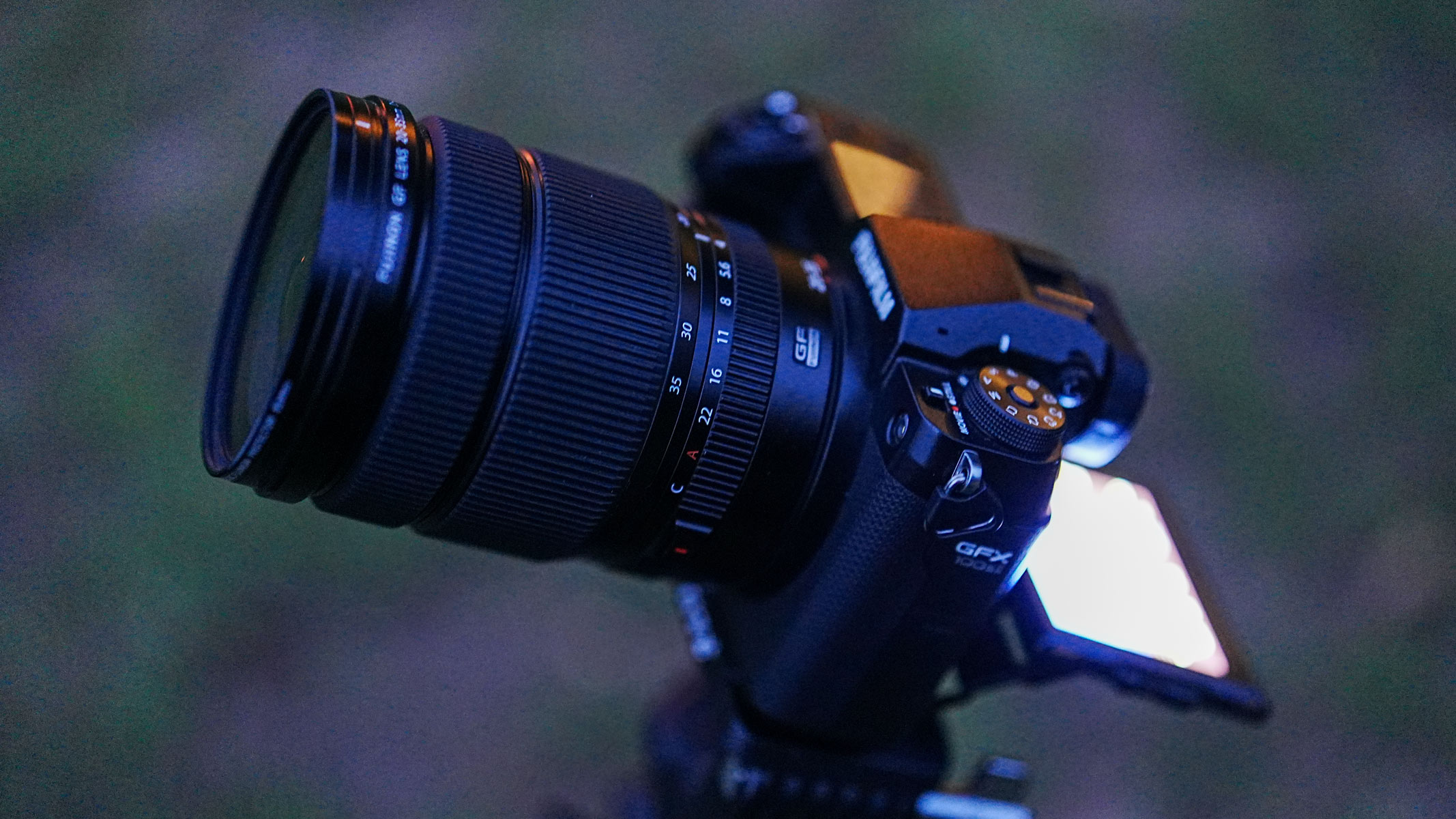
Despite not being a fully articulating LCD screen, the three-way tilt screen did help a lot during astrophotography shoots when the camera was tripod-mounted and aimed at the night sky.
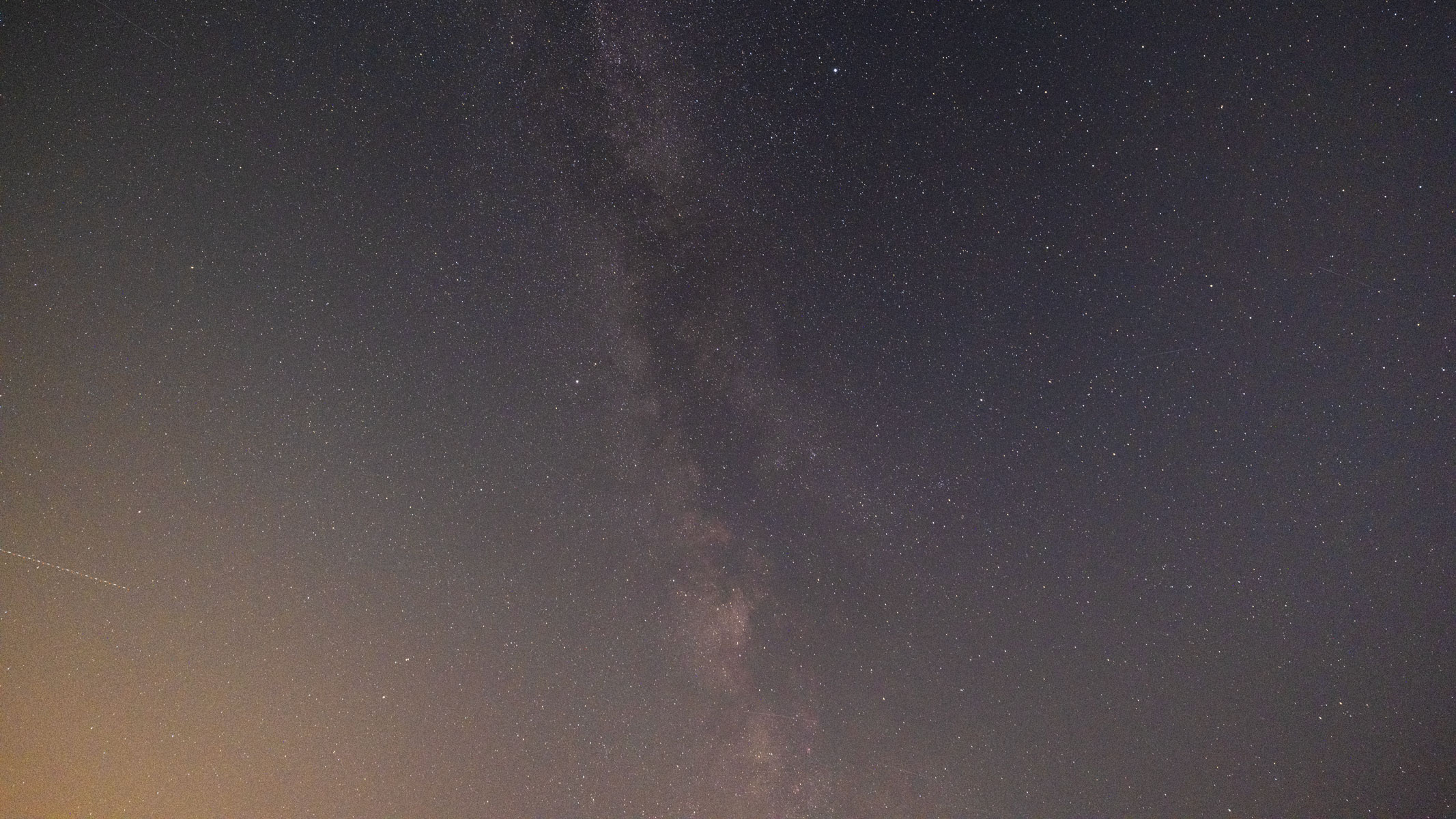
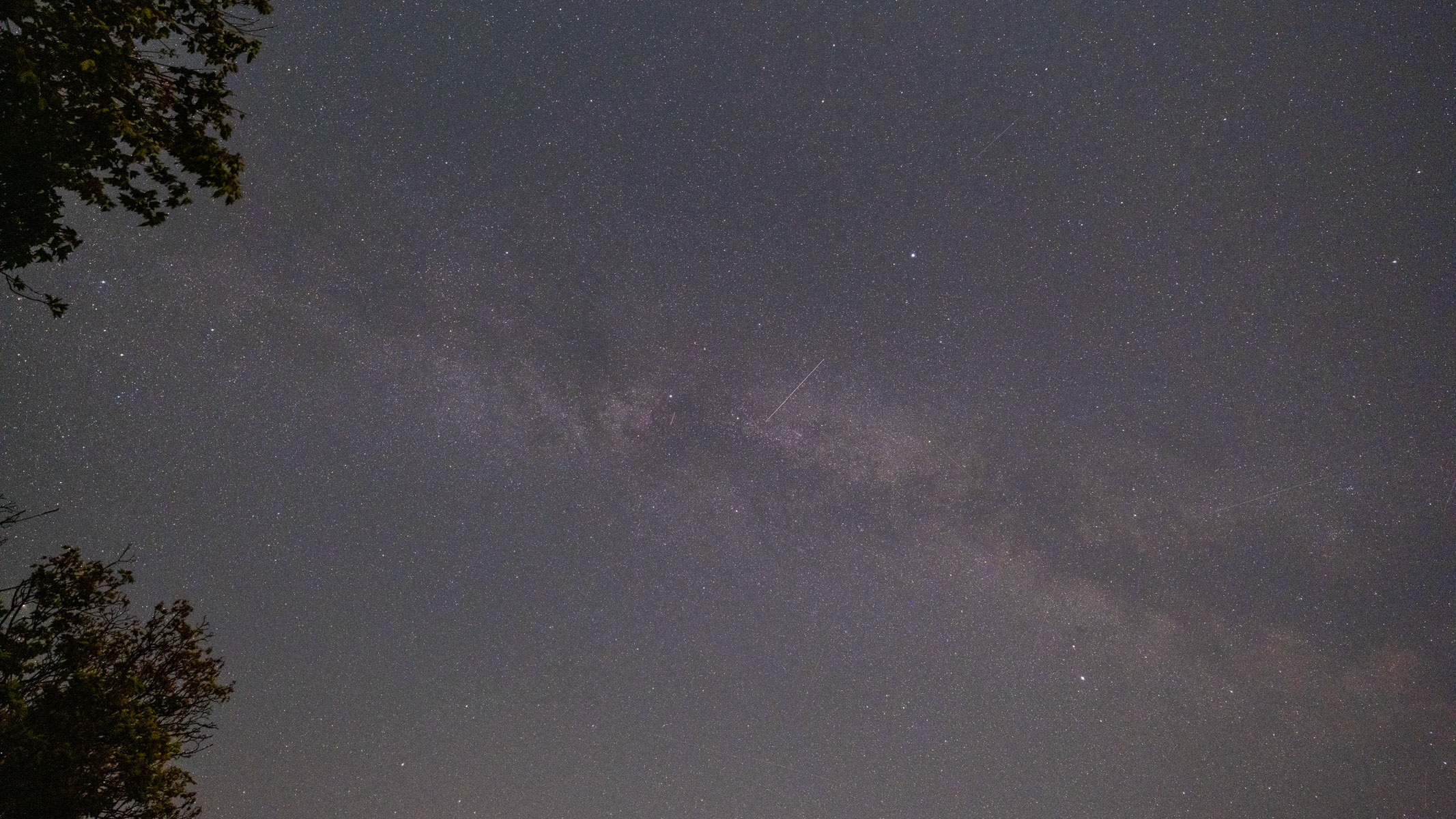
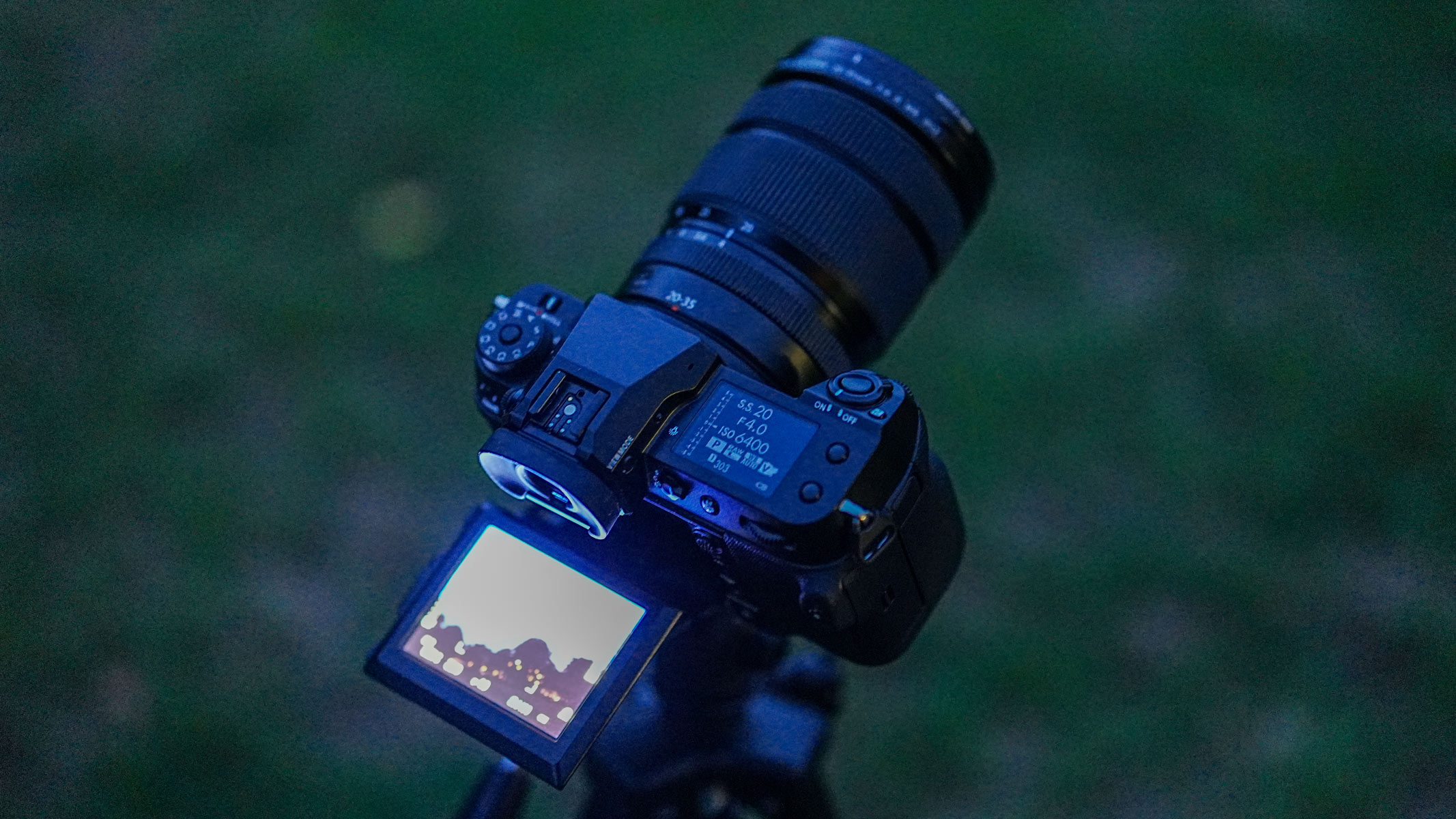
I managed to shoot a range of night sky targets while shooting with the GFX 100 S II. I used the GF 20-35mm f/4 R WR lens to capture lots of wide-angle targets in the night sky. I captured the galactic core of the Milky Way with plenty of dust lanes visible. Some of these open wide shots that capture the Milky Way were prone to some color noise when cropping into the photograph from ISO 3200 upwards. With a larger-than-full-frame sensor, I would expect better noise handling, but it wasn’t anything that post-processing couldn’t fix.
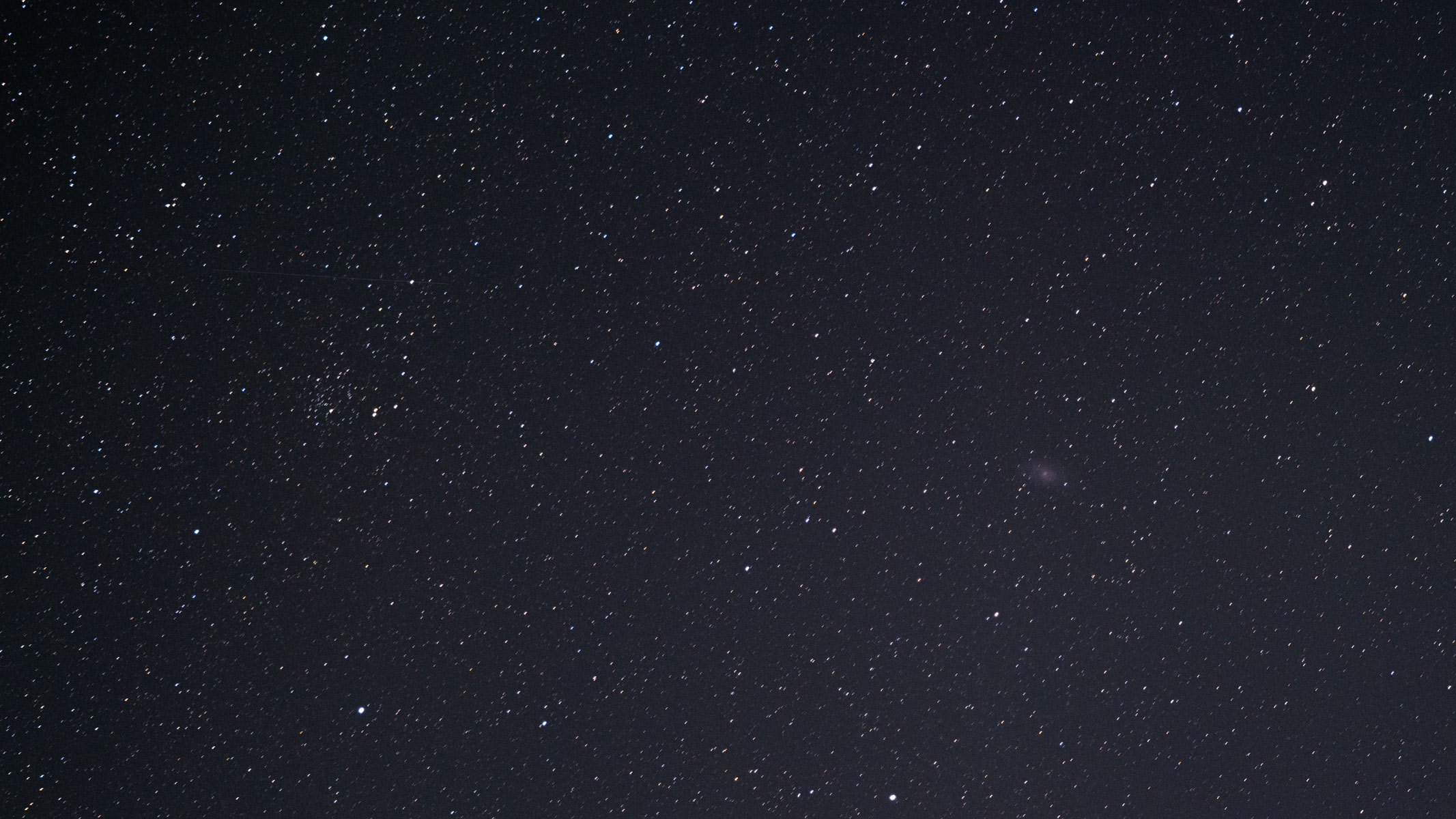
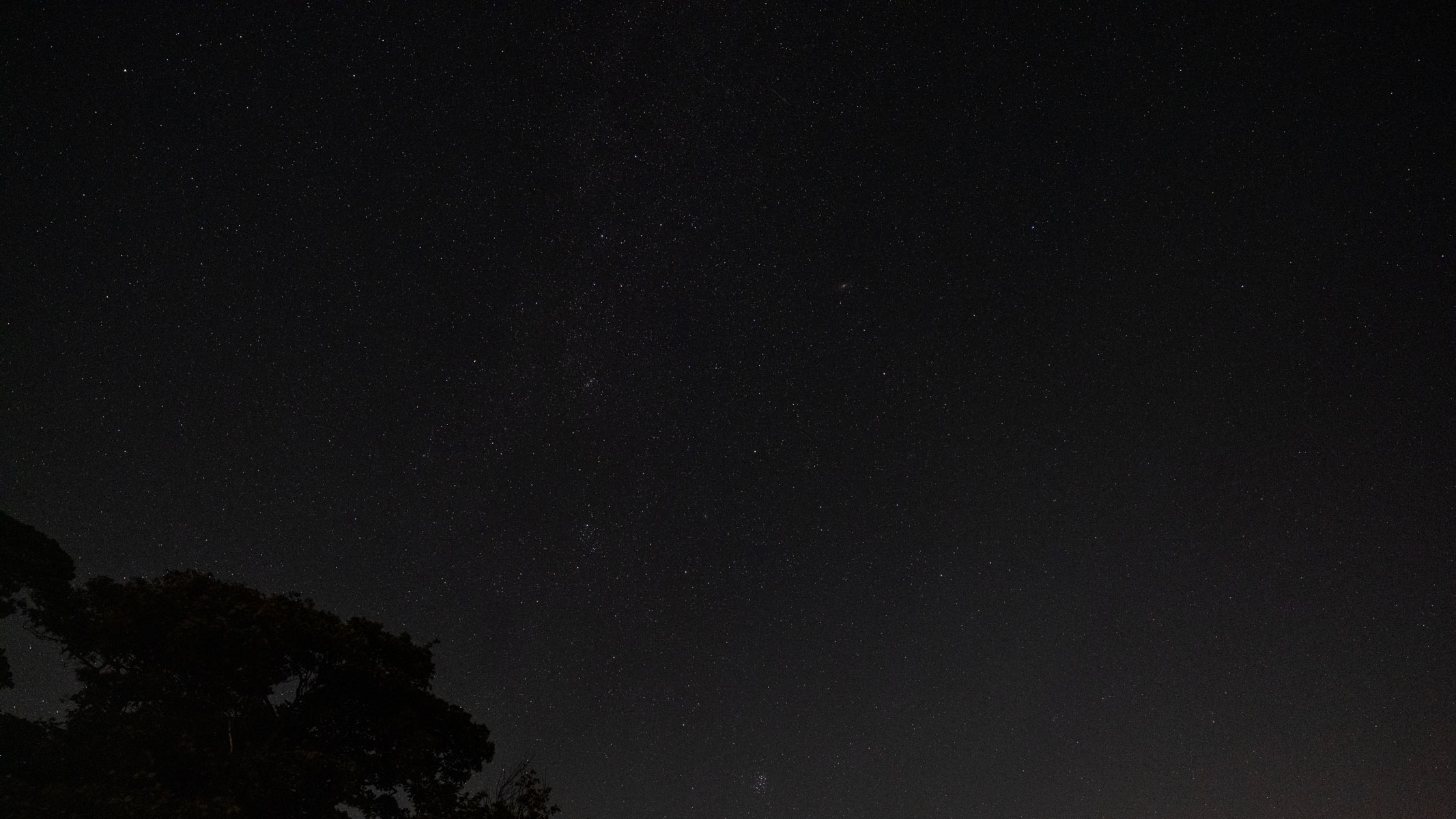
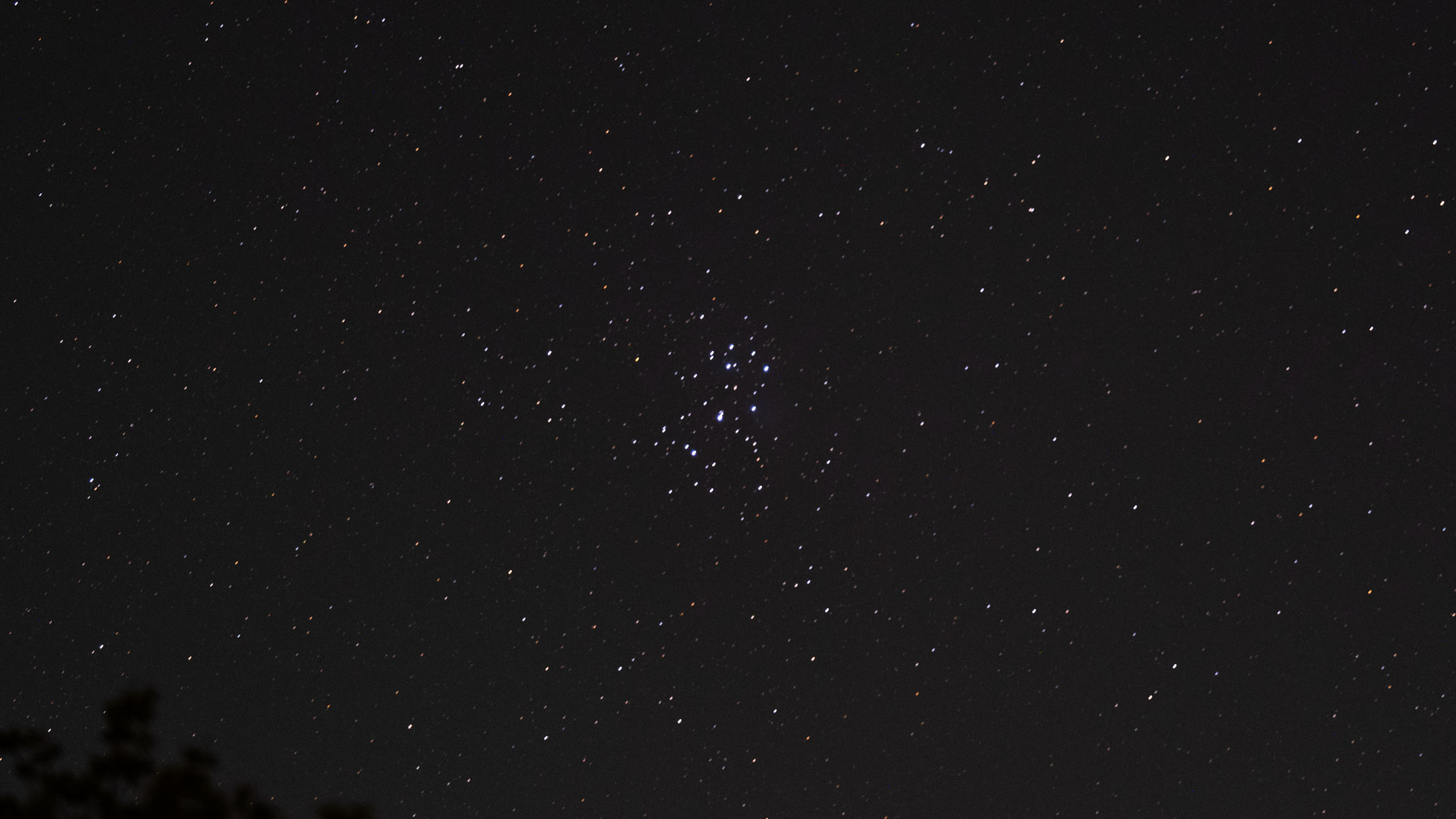
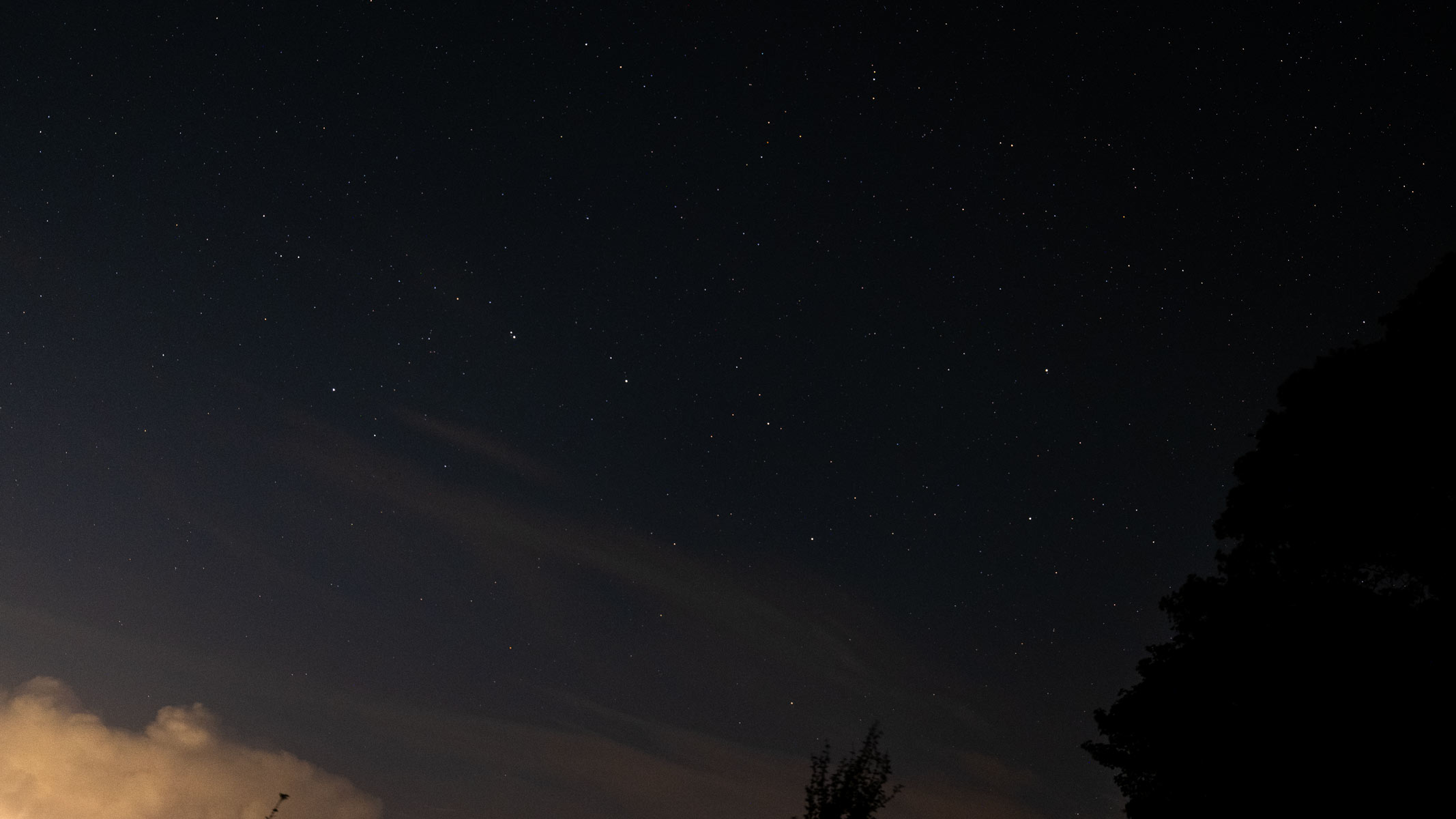
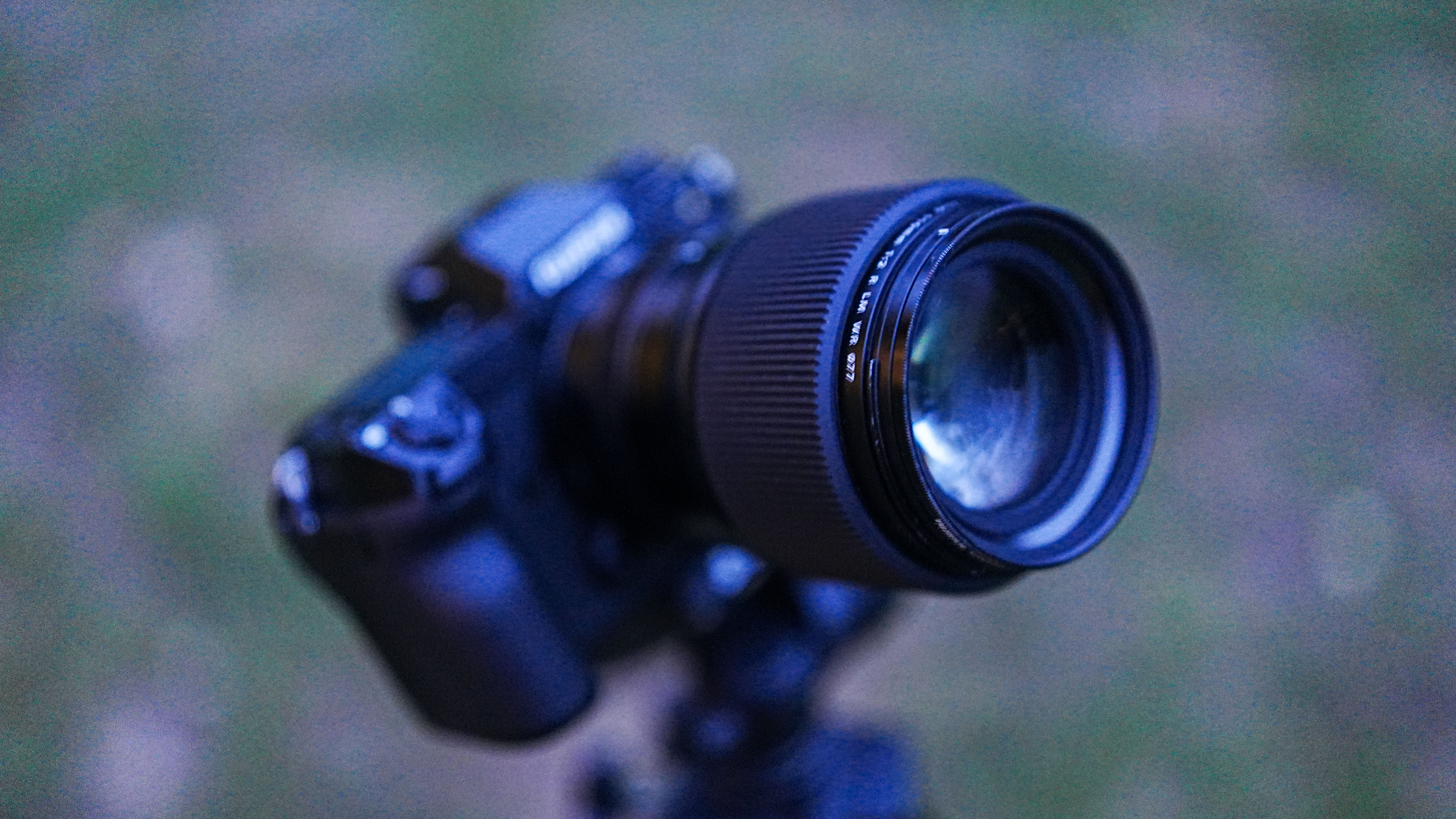
I shot a few other deep space objects like star cluster NGC 752, the Triangulum Galaxy (M33) and the Pleiades star cluster (M45) using the GF 110mm f/2 lens and offered a closer telephoto length for some fainter deep space objects. The full-frame equivalent of using a 110mm lens on this medium format sensor is 87mm.
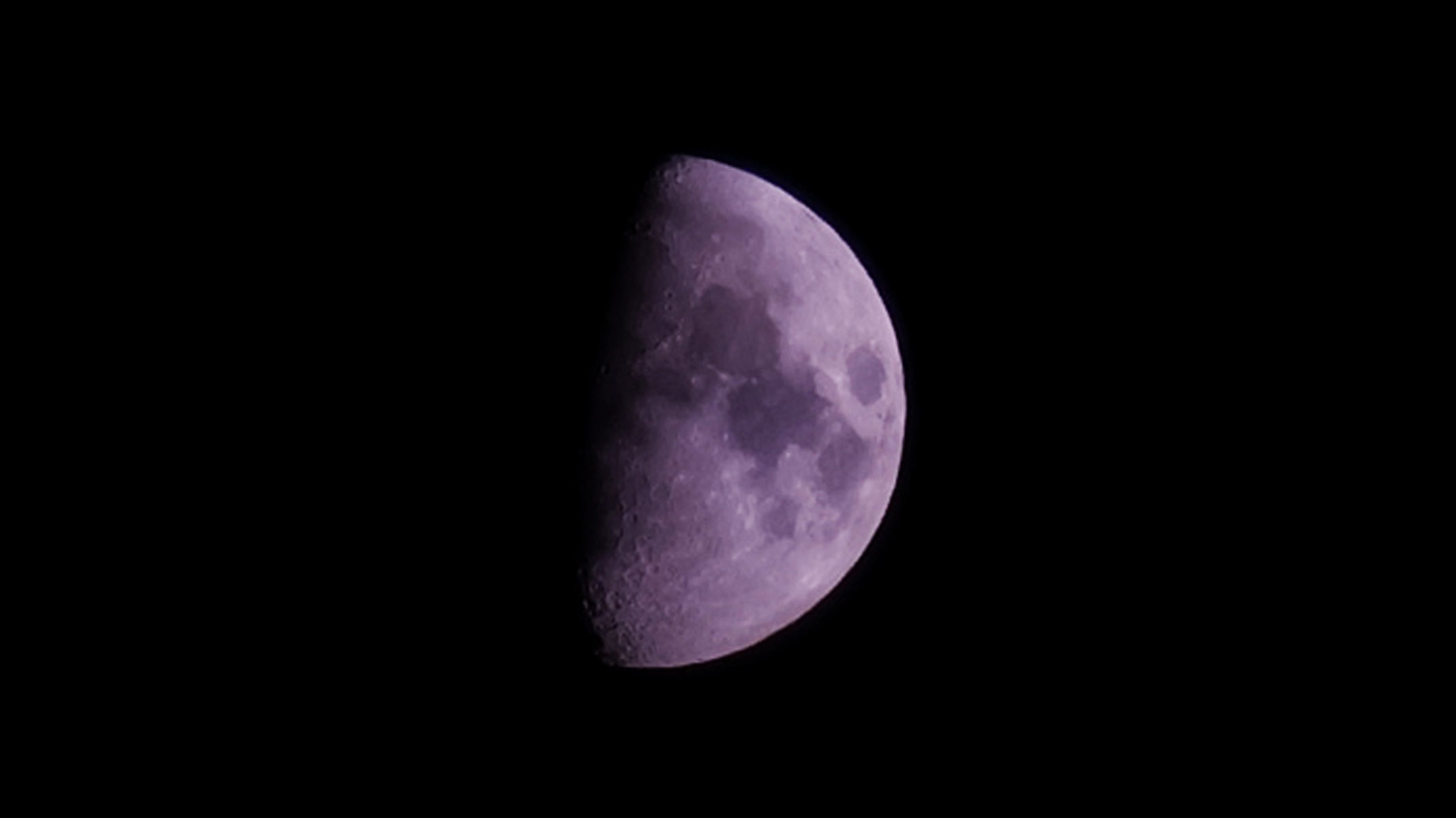
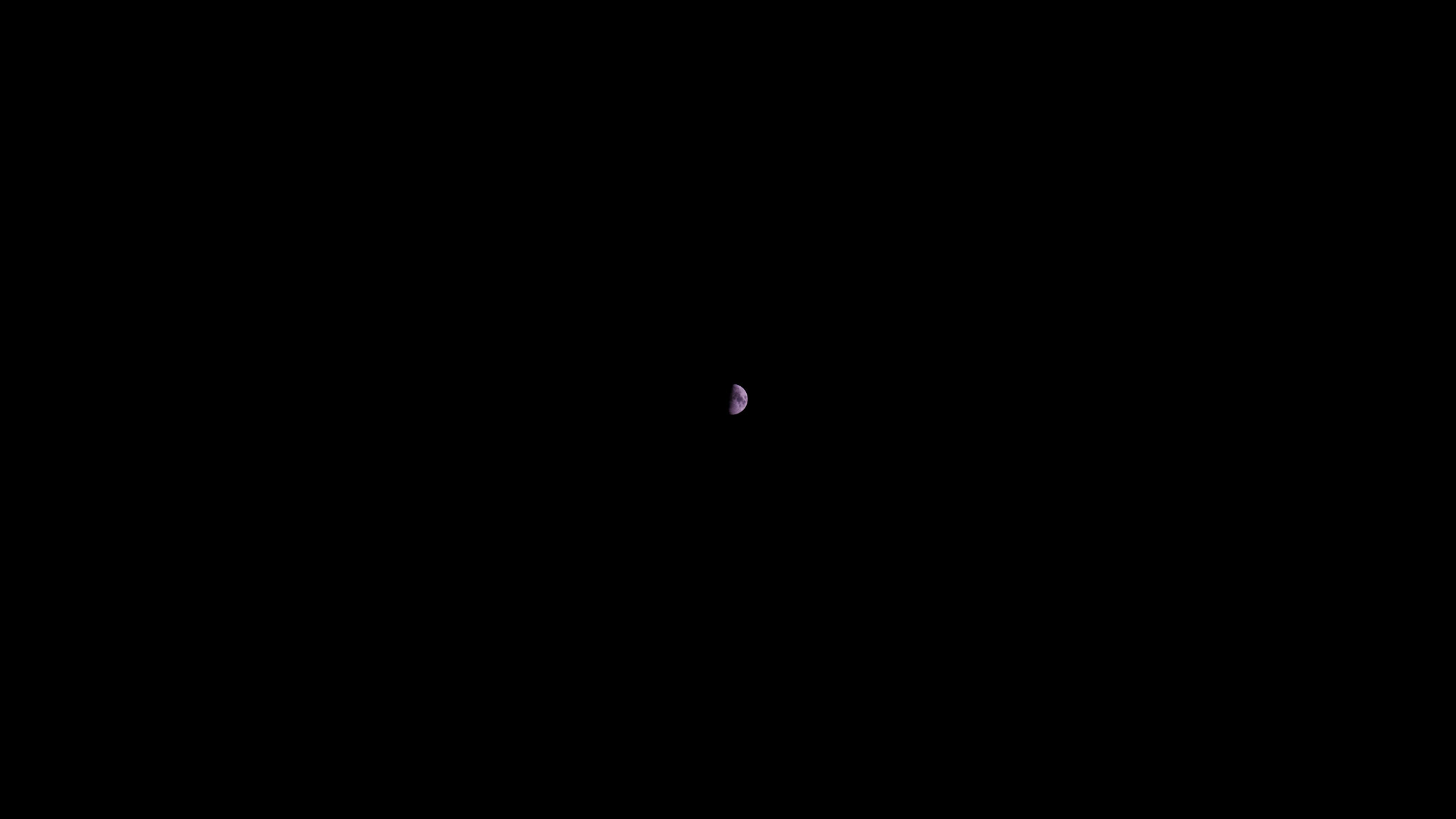
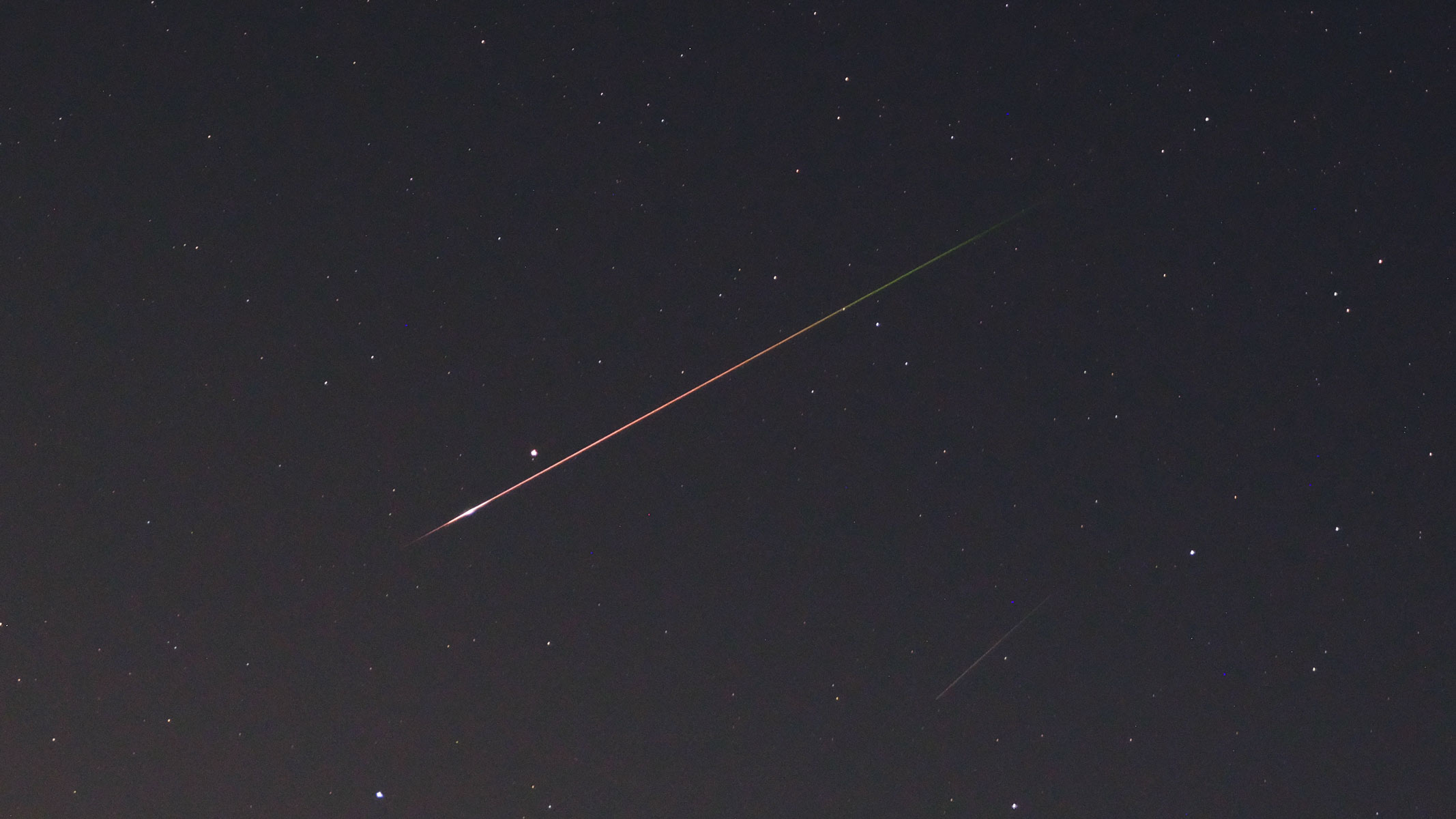
This focal length is not good for serious telephoto photography and therefore, the moon was still quite small in my frame. Even with an extreme crop, a strong level of detail is retained in the lunar disk and is a testament to the 102MP sensor.
Fujifilm GFX 100S II: Functionality
- Dual SD-card slots
- No mode for protecting night vision
- X-processor 5, AI-powered autofocus, eight stops of in-body-image stabilization and a 5.76 million dot OLED viewfinder
The GFX 100S II is full of premium features and functionality you would expect from a camera of this calibre. The camera feels like it is tailored towards the individual with six custom shooting modes on the dial, four assignable function buttons and custom touch gestures on the rear LCD. The trademark Fujifilm quick menu button makes finding all necessary settings easier because you don’t have to go into the more complex main menu.
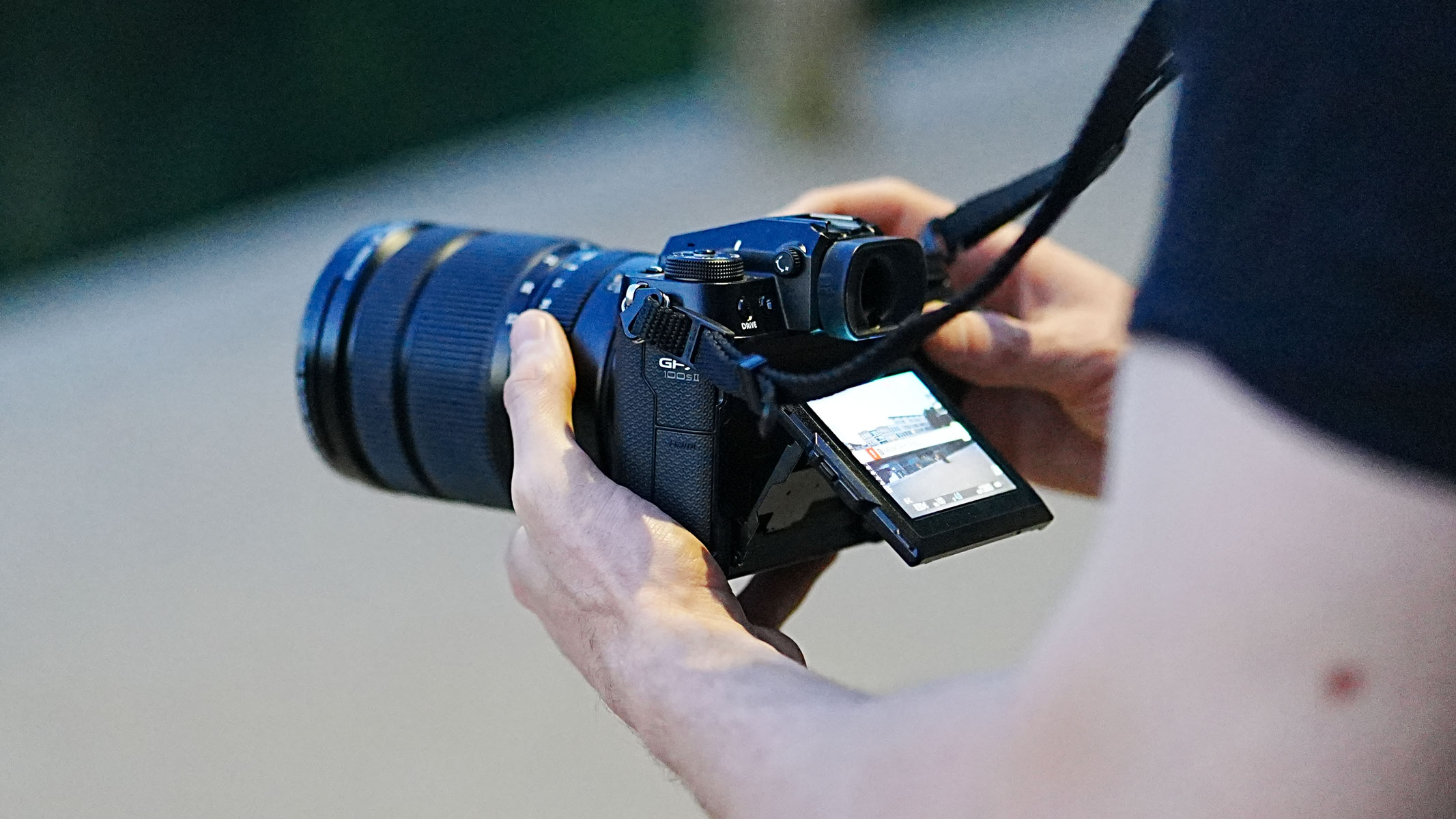
The camera uses the NP-W235 lithium-ion battery, rated at 530 frames per charge, and it never gave up on me during a long session of interval shooting for the Perseid meteor shower. The battery is charged via the USB-C port on the left side of the camera body, which also doubles up for external SSD recording and data transfer. It also features a micro-HDMI port and two 3.55 mm jacks for microphone input and headphone output. The GFX 100S II has dual SD-card slots, which gives you a good level of storage, but I am disappointed that there is no CFexpress card slot, especially as 102MP photo files are not small.
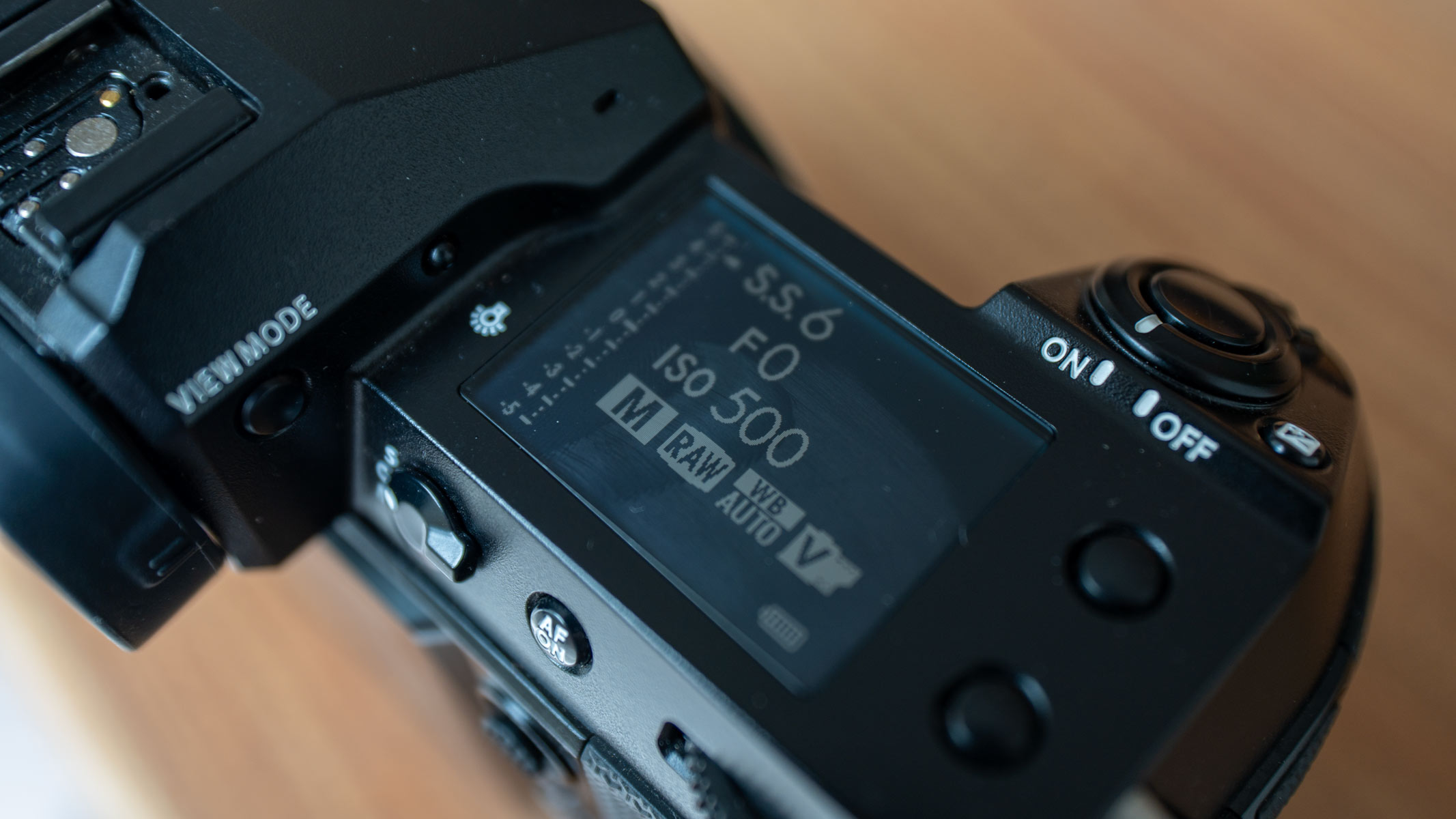
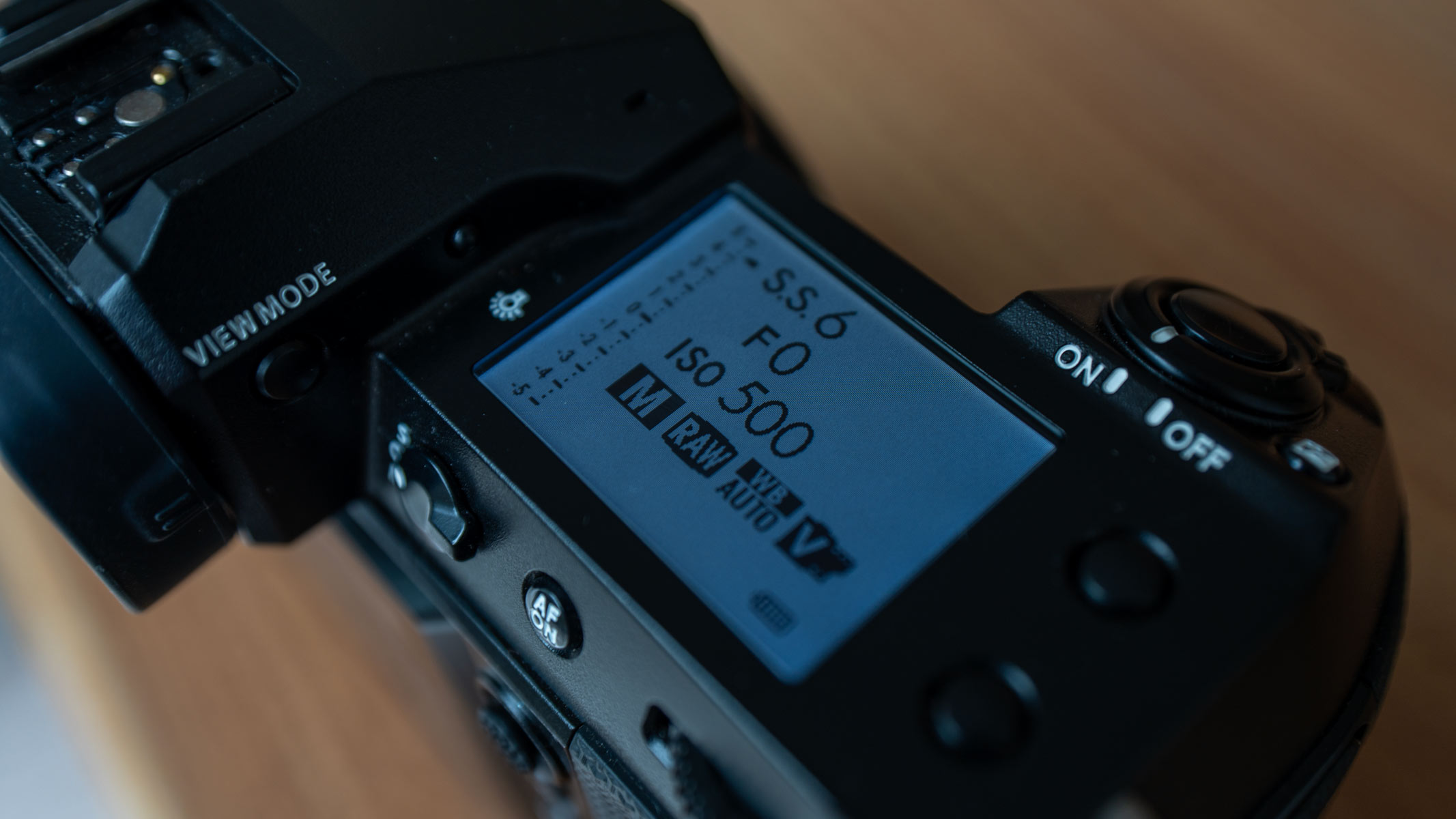
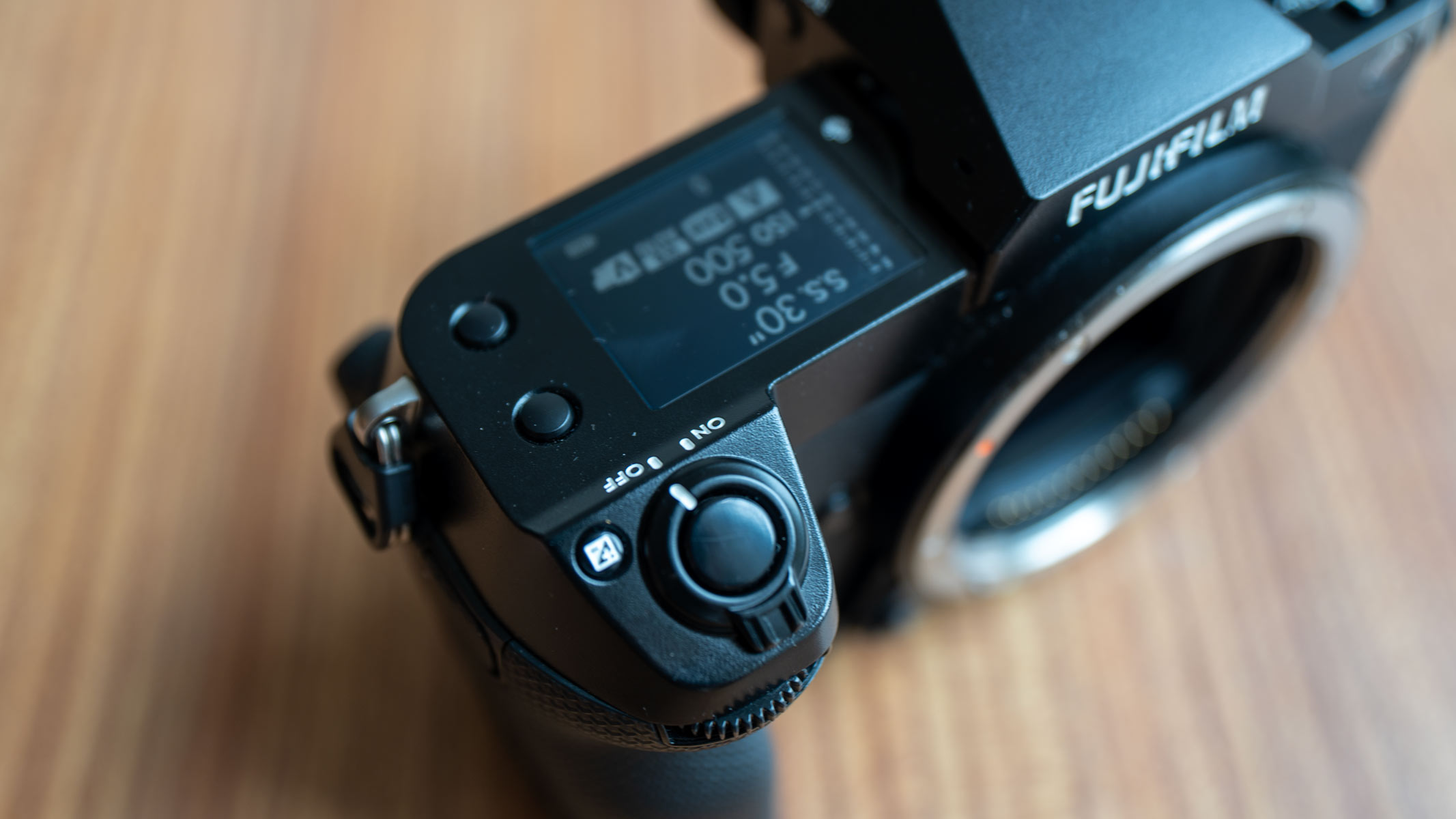
The secondary LCD monitor on the top of the camera body is helpful for quickly reading your exposure settings while shooting and the amount of frames remaining on the memory card. In darker environments, you can illuminate this secondary LCD so you can see this information at night, but there is no specific mode that helps preserve night vision.
The GFX 100S II brings significant upgrades to its predecessor, including the new X-processor 5, AI-powered autofocus, eight stops of in-body-image stabilization and a 5.76 million dot OLED viewfinder.
How we tested the Fujifilm GFX 100S II

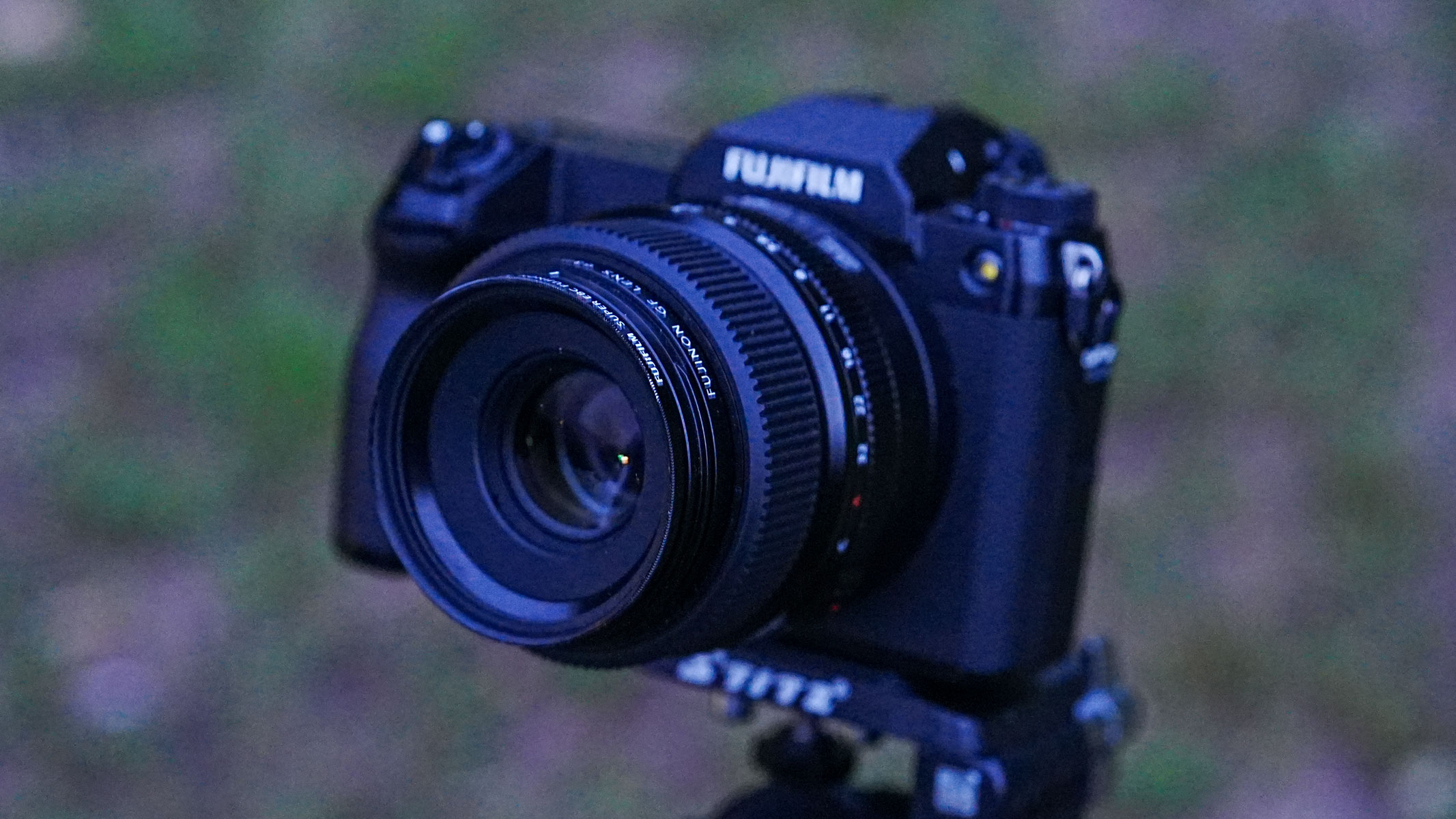
I tested the Fujifilm GFX 100S II with a range of lenses: the GF 110mm f/2 R LM WR, the GF 20-35mm f/4 R WR, the GF 63mm f/2.8 R WR and the GF 30mm f/3.5 R WR. For astrophotography testing, I went to a Bortle 3 area in some fields and took photos of the Milky Way, the Big Dipper, the moon and some deep space objects. During testing in the UK, nighttime temperatures were on average between 54-59 degrees Fahrenheit (12-15 degrees Celsius).
I also tested the camera out for a range of other photography styles, including landscape, art and portraiture.
User reviews of the Fujifilm GFX 100S II
Users of the GFX 100S II praise the sharp image quality delivered by the 102MP sensor and the impressive dynamic range.
The upgraded eight steps of in-body image stabilization is praised and, whilst autofocus is improved, some users note that it is slower than the best full-frame models (think Sony A1 or Nikon Z9).
The large raw file sizes are also pointed out as being troublesome to deal with in volume, making storage and computer upgrades inevitable.
Should you buy the Fujifilm GFX 100S II
The GFX 100S II is a camera for the professional market and is suited to someone who makes money from photography, as the price tag is not for the faint of heart. Despite this, it has a host of features that would benefit the professional portrait, landscape and studio photographer.
If you are an astrophotographer who is well versed in post-processing, using dark frames to reduce noise and has a focus on producing large-scale prints, I would highly recommend the GFX 100S II. Thanks to the size and 102MP resolution of the sensor, this camera is able to capture a wide portion of the night sky in relatively good detail and whilst there are some star trails, a star tracker would really help resolve high-resolution detail.
This extra width added by the medium format sensor helps those who want a wide focal length but hinders those who work at extreme telephoto lengths. With the GFX range of lenses rather limited and expensive, it really is worth thinking about what kind of shooting you want to do with this camera. They also lack features from modern full-frame lenses, such as f/1.4 apertures on wide focal lengths and wide apertures on telephoto lenses.
If the Fujifilm GFX 100S II isn’t for you
For those who want a camera that works even harder and can handle heavy hybrid use with 8K video and a CFexpress slot, we would recommend Fujifilm’s flagship model, the GFX 100 II.
If the jump to medium-format seems like overkill, a strong full-frame camera might seem more suitable. Our best camera overall is the Nikon Z8, which features a full-frame 45MP sensor and has a dedicated red mode for preserving night vision. The Sony A7R V is another great full-frame alternative, with strong AI-powered autofocus and a strong 61MP sensor.
If you want a Fujifilm camera but don’t fancy paying your life away for it, go for the Fujifilm X-T50. It has a 40MP APS-C sensor and a film simulation dial for easy changing of styles. We used it for astrophotography, and it performed well, capturing the planets Jupiter and Mars as well as the Orion nebula (M42).
Author: Harry Bennett
Source: Space.com
Reviewed By: Editorial Team