

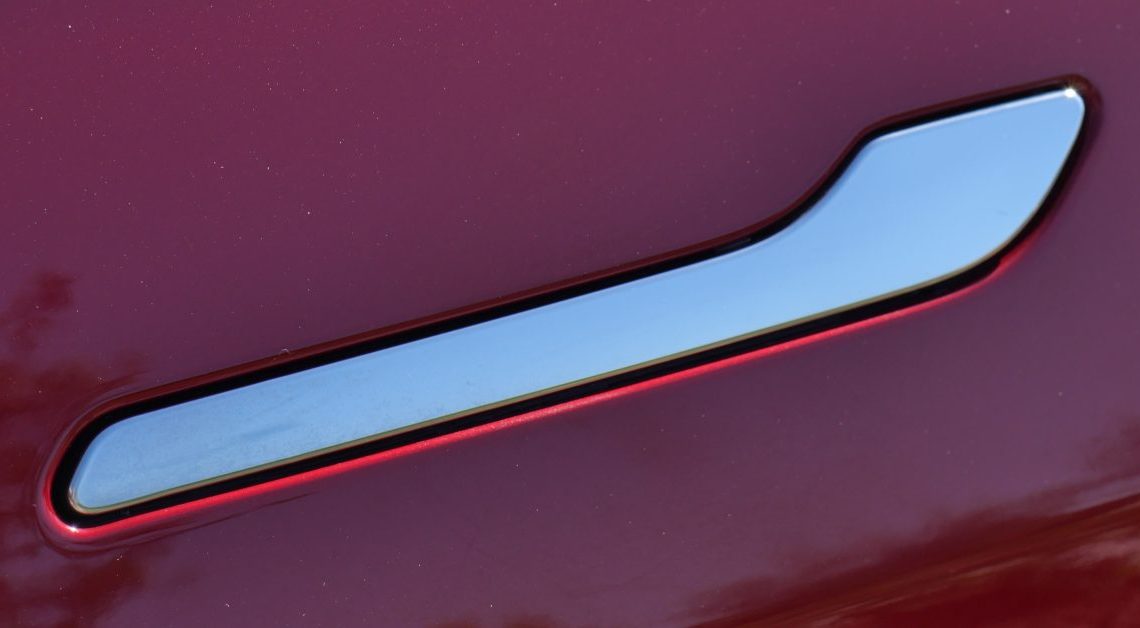
China has officially moved forward with a proposed ban on flush EV door handles, with an effective date of January 1, 2027. The regulation will force a redesign of many EVs with sleek, electronically-actuated handles, a design popularized by Tesla.
For many years, safety advocates have been concerned about an automotive trend towards sleek-looking EV door handles which fold flush into the body of a car.
The design feature was first popularized by Tesla, which has had hidden door handles in all of its vehicles – in the Roadster it was a raised bump in an air intake, on the Model S the handles extended with an electrical actuator, in the Model 3 you push one end to manually make them appear, etc. But a similar design has become widespread on other popular EVs, such as Xiaomi’s SU7.
The design adds to the sleek exterior look of vehicles, and also has minor aerodynamic performance gains, as it creates a smooth line along the vehicle surface instead of disturbing the air and creating drag.
Further, these door handles are often electronically-actuated, instead of having a manual release. Or, the manual release could be hidden in a place that’s hard to find.
The problem with this is that in emergency situations, perhaps where the car’s electronics aren’t working, the door handles may not be operable in their standard mode, or may cause confusion for rescuers or occupants.
A number of high profile accidents have happened recently in which door handles seem to have had an effect on the fates of the occupants after a crash. The most egregious example resulted in the death of 3 California teenagers who could not escape a Cybertruck due to hidden mechanical door releases, and due to hidden exterior door handles and reinforced glass which stopped a nearby rescuer from being able to access the vehicle.
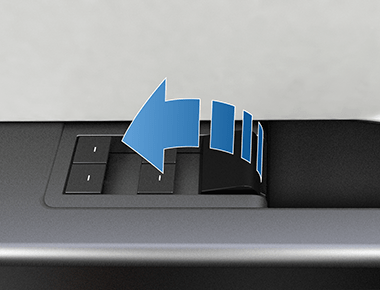

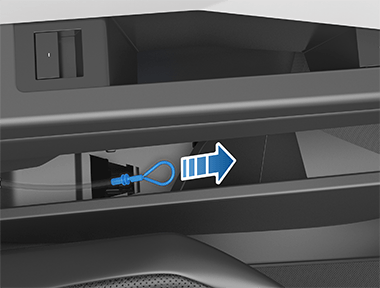
This accident and others inspired government to finally think about acting, with the NHTSA investigating, Congress proposing legislation, and Tesla finally saying it will redesign door handles.
But now, the Chinese government is acting, and has finalized a ban on these types of door handles which will force their redesign.
Flush EV door handles banned in China, effective January
China first proposed the ban in September, with a slate of draft regulations covering this and other issues.
Now, China Ministry of Industry and Information Technology is finalizing that ban, effective January 1, 2027, according to Bloomberg. Cars that release after that will have to comply with the new regulations – though certain cars that are late in the design process and have already been approved will have up to two years of grace period to complete a redesign.
The ban covers not just the placement and appearance of door handles, but also their actuation, requiring that handles have a mechanical release. Here’s a machine translation of some of the relevant parts of the regulation:
(1) Clause 4.1.1: Exterior Door Handle.
1 Clause 4.1.1.1: Each door (excluding the tailgate) shall be equipped with a door handle with a mechanical release function. The system shall be designed such that, when the locking mechanism is engaged, non-collision side doors can be opened using the door handle without tools following an irreversible restraint system deployment or a thermal event in the power battery.3 Clause 4.1.1.3: The exterior door handle of each door shall provide a hand operating space relative to the body surface in any state, with dimensions not less than 60 mm × 20 mm × 25 mm.
Note: This document introduces new requirements concerning the post-crash functionality, positioning, and hand operating space of automotive exterior door handles to enhance rescue accessibility.
It also covers markings on the door handles, which make clear what buttons inside an interior of a car do. The original Model 3 had a strange door handle position (as I noted in my review), and was unmarked, leading to a cottage industry of Tesla fans selling stickers to notify occupants how to open the doors.
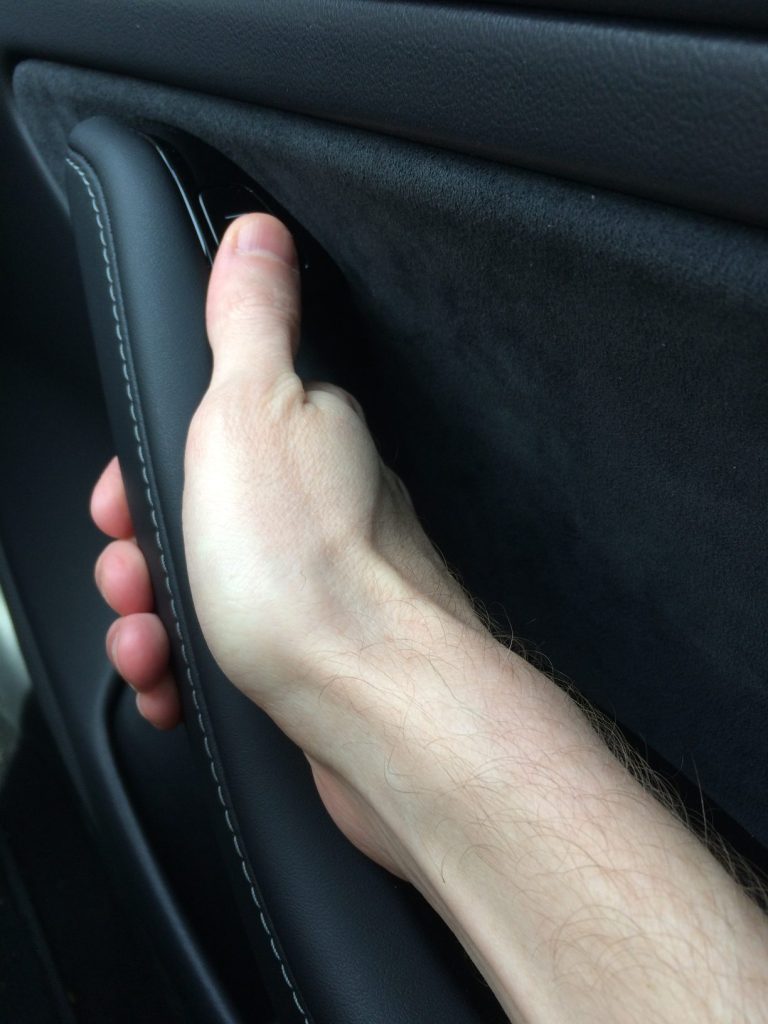
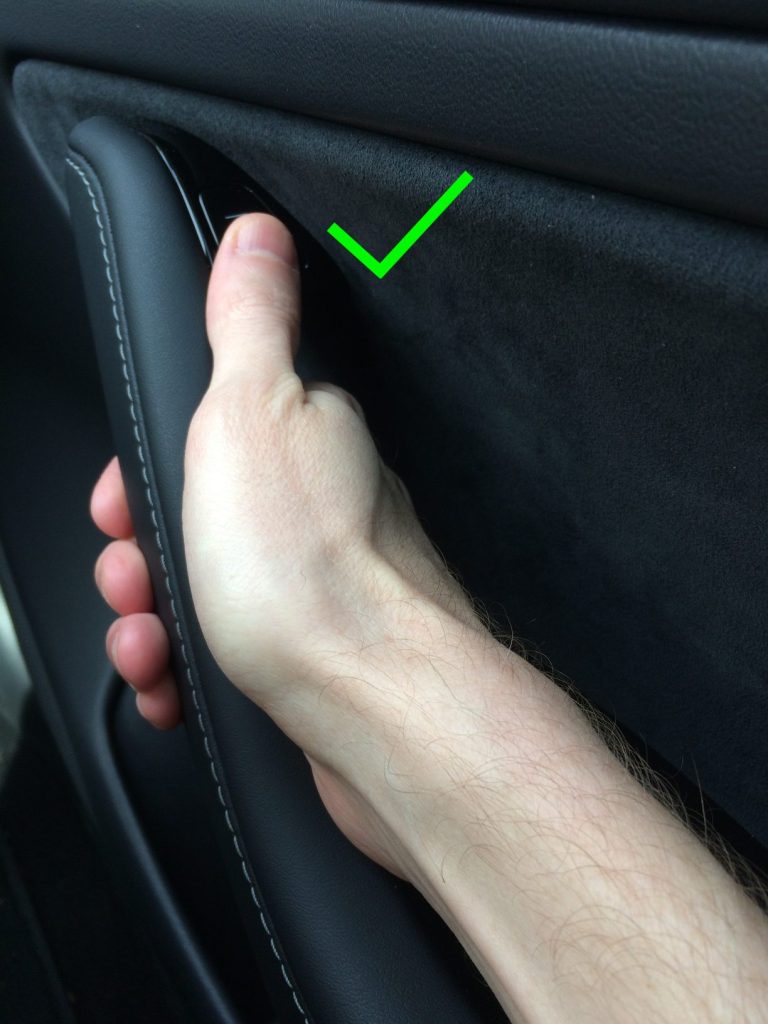
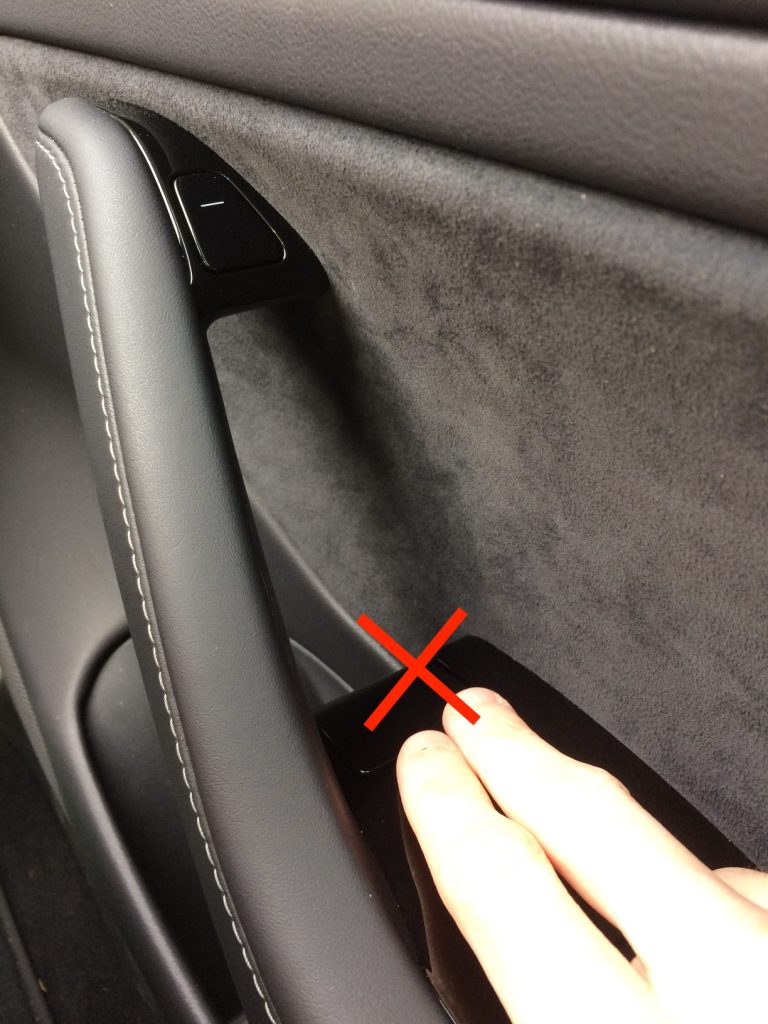
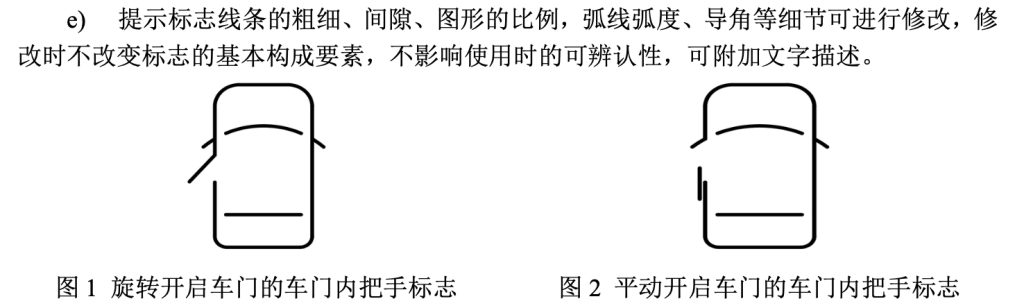
Essentially, the regulation directly calls out all of the weird features of Tesla’s door handles. Exterior door handles can’t be flush to the vehicle (unlike almost all Teslas), must be placed in the expected position (unlike the Cybertruck), must have mechanical fallbacks in the event of electrical failure (unlike most Tesla doors, save the Model S front doors), and must be clearly marked (unlike early Model 3s, for one).
China is also considering other regulations on EV safety, such as limiting 0-60 times by default (unless the user selects “sport mode” or the like), but we could find no information on whether those have moved forward today.
Author: Jameson Dow
Source: Electrek
Reviewed By: Editorial Team