

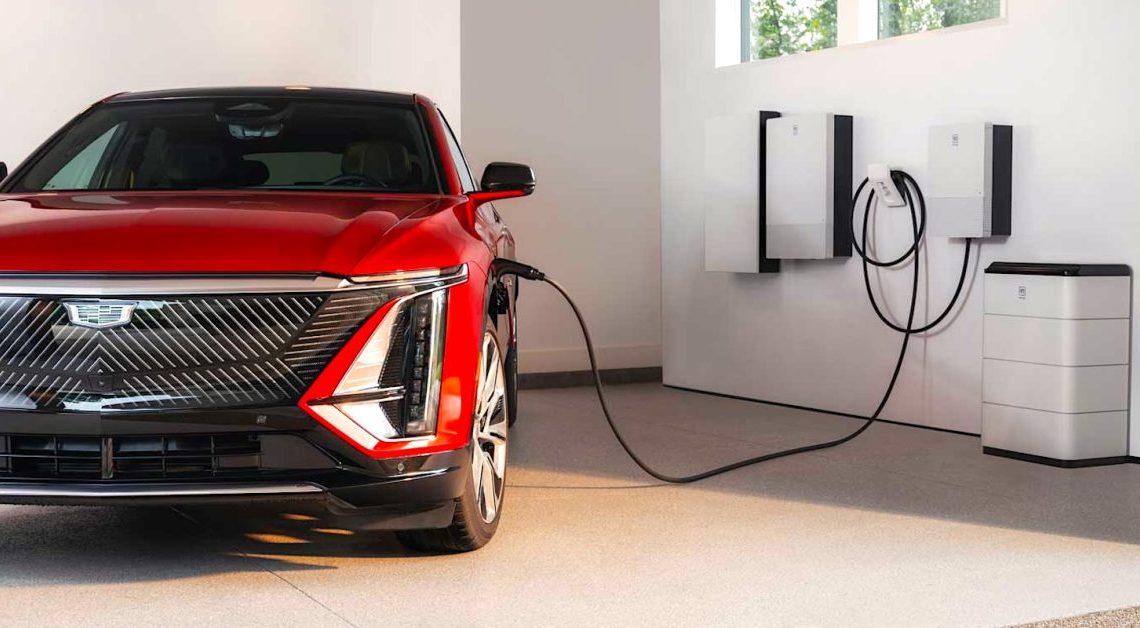
Net metering — the ability to sell excess electricity back to the grid for fun and profit — has helped make rooftop solar panels the centerpiece of the home energy transition for more than a decade. But, as net metering rules change and electricity prices keep climbing, the value proposition isn’t as clear as it once was. Instead of sending extra power back to the grid, homeowners are increasingly deciding that it makes more sense to hold on to that excess power for themselves.
Despite rising energy costs, changes to regulations like California Net Energy Metering 3.0 (NEM3.0) have dramatically reduced the value of exporting rooftop solar power to the grid, so the math no longer maths. What does often math, though, is the ability to store free solar-generated electricity and cheap, off-peak power in a battery, then use it yourself during peak demand hours when energy is most expensive.
One of our commenters, perhaps, explained it best:
Another reason is that batteries function as energy arbitrage devices. They can charge when electricity is cheap and discharge when it is expensive. Even in the winter when solar isn’t doing much. This reduces the need for expensive peaker plants, and increases utilization of cheaper power sources.
BCV
That baked-in flexibility, combined with ever-increasing grid loads and (it’s worth repeating) higher electricity bills, are driving a shift in the home energy market from solar alone, to solar + battery and, in many cases, solar + battery + EV.
Better math, better grid
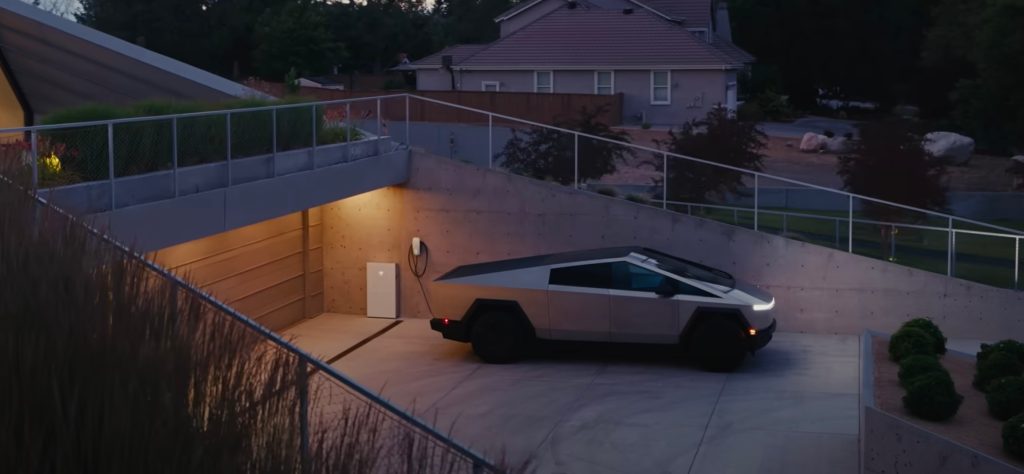
A number of home energy systems are already looking at “whole home” solutions that combine smart meters, smart panels, solar panels, and home batteries – but the most forward-thinking of these are also starting to treat the car in your driveway as part of that “whole home” power plant.
“America has arrived at an inflection point in which the technical, policy, and financial pieces are finally in place for whole-home electrification,” says Tracy Price, founder and retired CEO of EV charging installers Qmerit. “What’s needed now is a way to integrate those technologies into a simple home energy system that homeowners can actually use.”
To that end, platforms like the industry-leading Tesla Powerwall + Cybertruck, GM Energy’s V2H Bundle, and the home energy ecosystems being developed by Rivian and Nissan are designed to coordinate all of the above into a single cohesive energy solution. The result is a system that behaves less like a simple rooftop generator and more like a miniature grid, constantly optimizing when to store, use, or export electricity.
You can read more about some of these systems here:
- Yes, an EV really CAN power your home – if it’s one of these [update]
- It’s time to start recommending some Tesla Powerwall alternatives [update]
Finally, it’s always smart to get multiple independent quotes and talk to your trusted financial experts before moving forward with any major home improvement project.
Original content from Electrek.
Author: Jo Borrás
Source: Electrek
Reviewed By: Editorial Team