

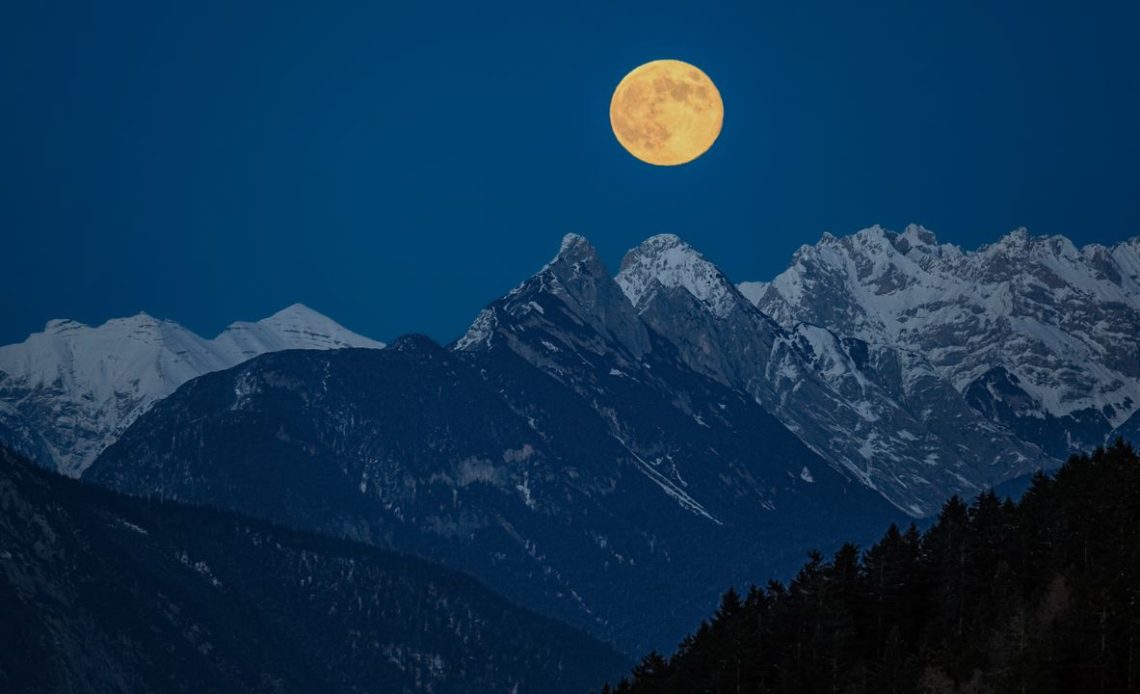
January brings long, cold nights rich with astrophotography targets. The month opens with a full Wolf Moon, followed quickly by the Quadrantid meteor shower peaking, albeit under bright moonlight. Jupiter reaches opposition on 10 January, dominating the night sky and offering planetary imagers their best views of the gas giant this year, before a valuable dark-sky window for deep-sky imagers mid-month.
Here’s everything you need to know about astrophotography in January 2026:
Saturday-Sunday, 3-4 January: A full Wolf Moon
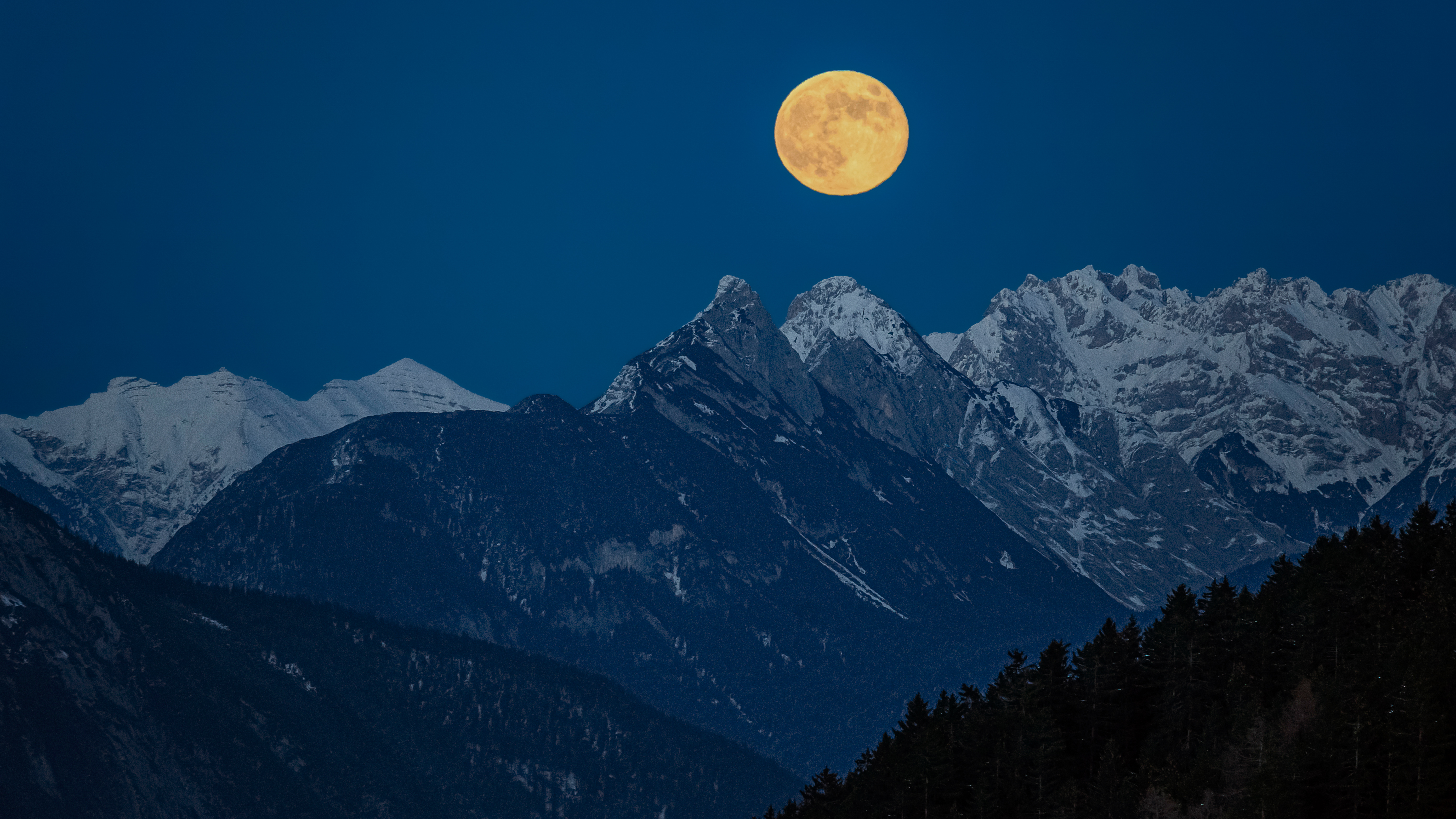
January’s first full moon — the Wolf Moon — is 100%-lit on Saturday, 3 January, but. For the most photogenic results, plan to shoot at moonrise/moonset when the moon is low, close to the landscape, and colored by the atmosphere. For best results, make a plan in advance, using apps like Photo Ephemeris, PhotoPills and Planit Pro to line the moon up with city skylines, lighthouses or mountain ridges.
Aim for a telephoto lens in the 200-500mm range on a tripod, start at around 1/125 sec, f/8 and ISO 100, then bracket a stop either side. Switch to manual focus and use live view at maximum magnification to nail the focus — the moon’s surface absolutely must be sharp.
Read: How to photograph the full moon.
Saturday-Sunday, 3-4 January: Quadrantid meteor shower peaks
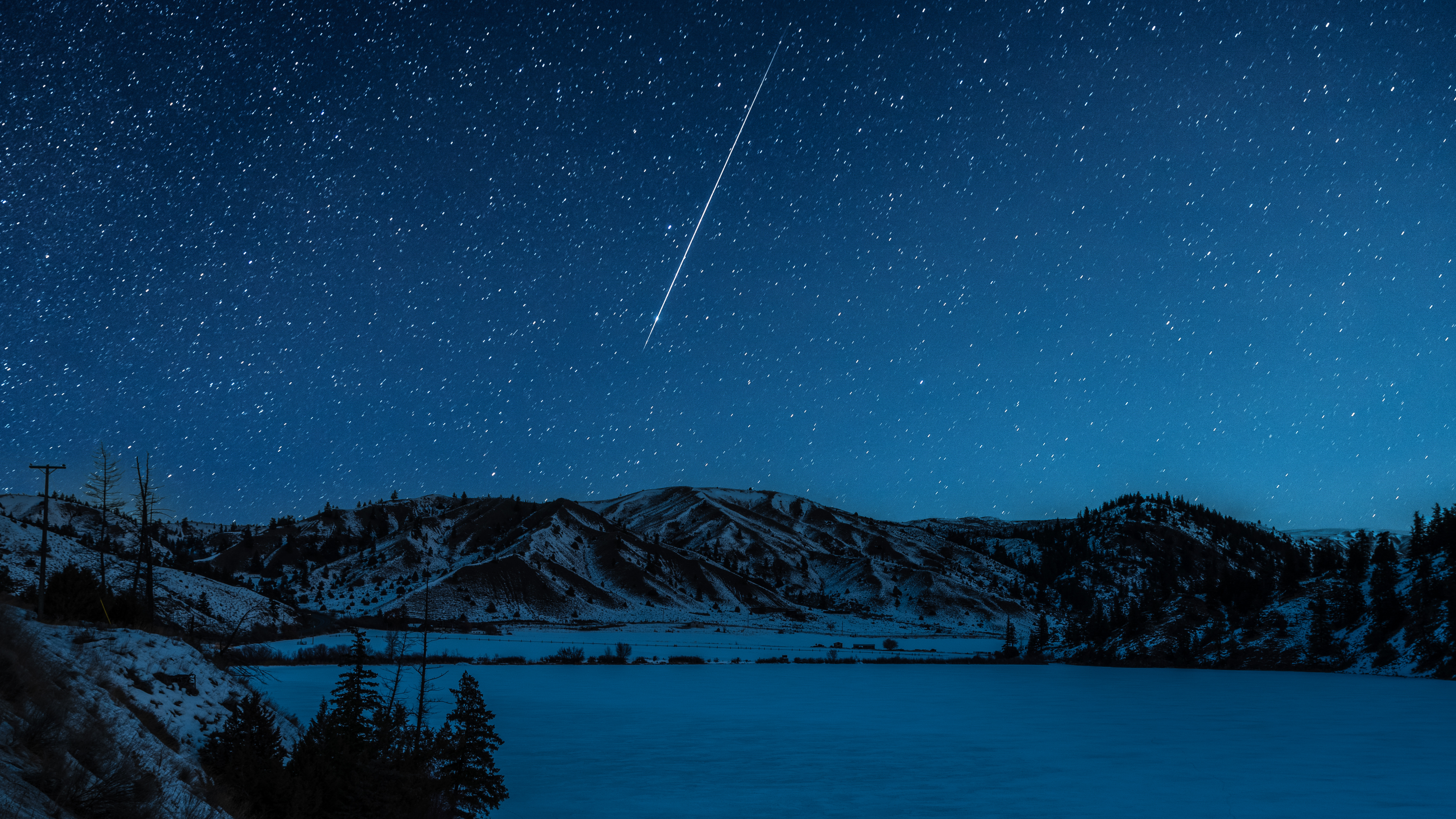
The first major meteor shower of the year, the Quadrantids, peaks on the night of January 3-4, with up to 120 meteors per hour in ideal conditions — but this year the bright full moon will severely limit what naked-eye observers see. For photographers, it makes little difference because the best way to capture “shooting stars” is to leave a camera outside for several hours, taking long exposures. Mount a wide-angle lens (14-24mm) on a sturdy tripod and dial in 25-second exposures, balancing the aperture and ISO to produce a good-looking, moon-free night image (though the presence of a full moon in the night sky will mean a higher f-number and a lower ISO). Use an intervalometer or built-in time-lapse mode to fire continuously for a few hours, then scan your frames later for meteor trails.
Read: Astrophotography tools: the best camera, lenses and gear
January 11-22 : Dark-sky window
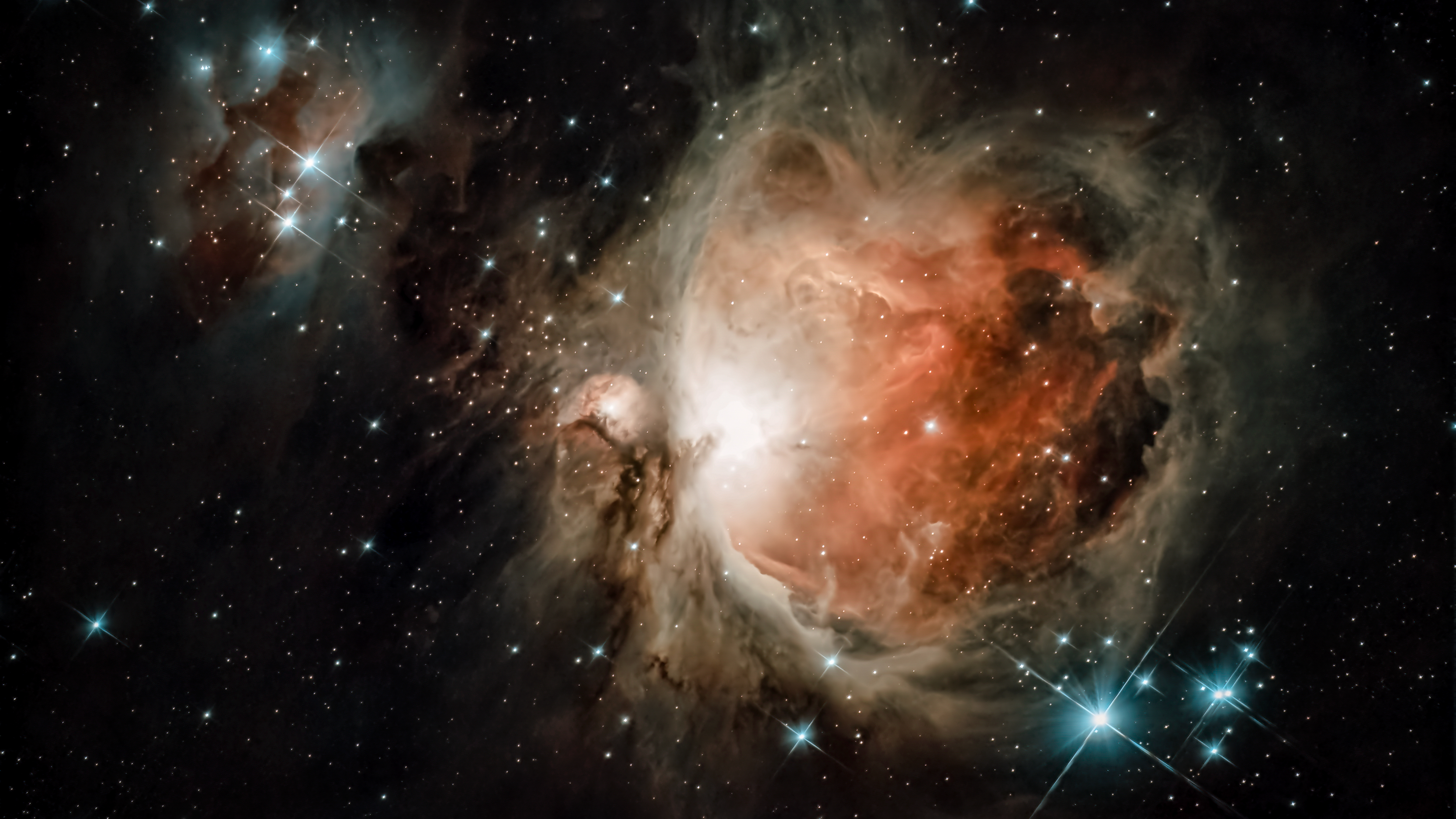
With the moon rising at midnight for its last quarter phase on 11-12 January, then later each night through new moon on 18-19 January, this period brings dark evening skies and, around new moon, true moonless nights. It’s prime time to image winter’s deep-sky showpieces: the Orion Nebula (M42), Horsehead and Flame Nebulae, the Pleiades (M45) and other open clusters such as M36, M37 and M38 in Auriga. Use a star tracker if you have one; with a 24-85mm lens, you can shoot 1-3-minute sub-exposures at ISO 800-3200 and f/2.8–f/4, then stack them later for clean, detailed results. For untracked setups — i.e., just using a camera and tripod — keep exposures to 10-20 seconds to avoid star trailing.
Read: The best star tracker camera mounts
January 19-23: Crescent moon, Earthshine and Saturn
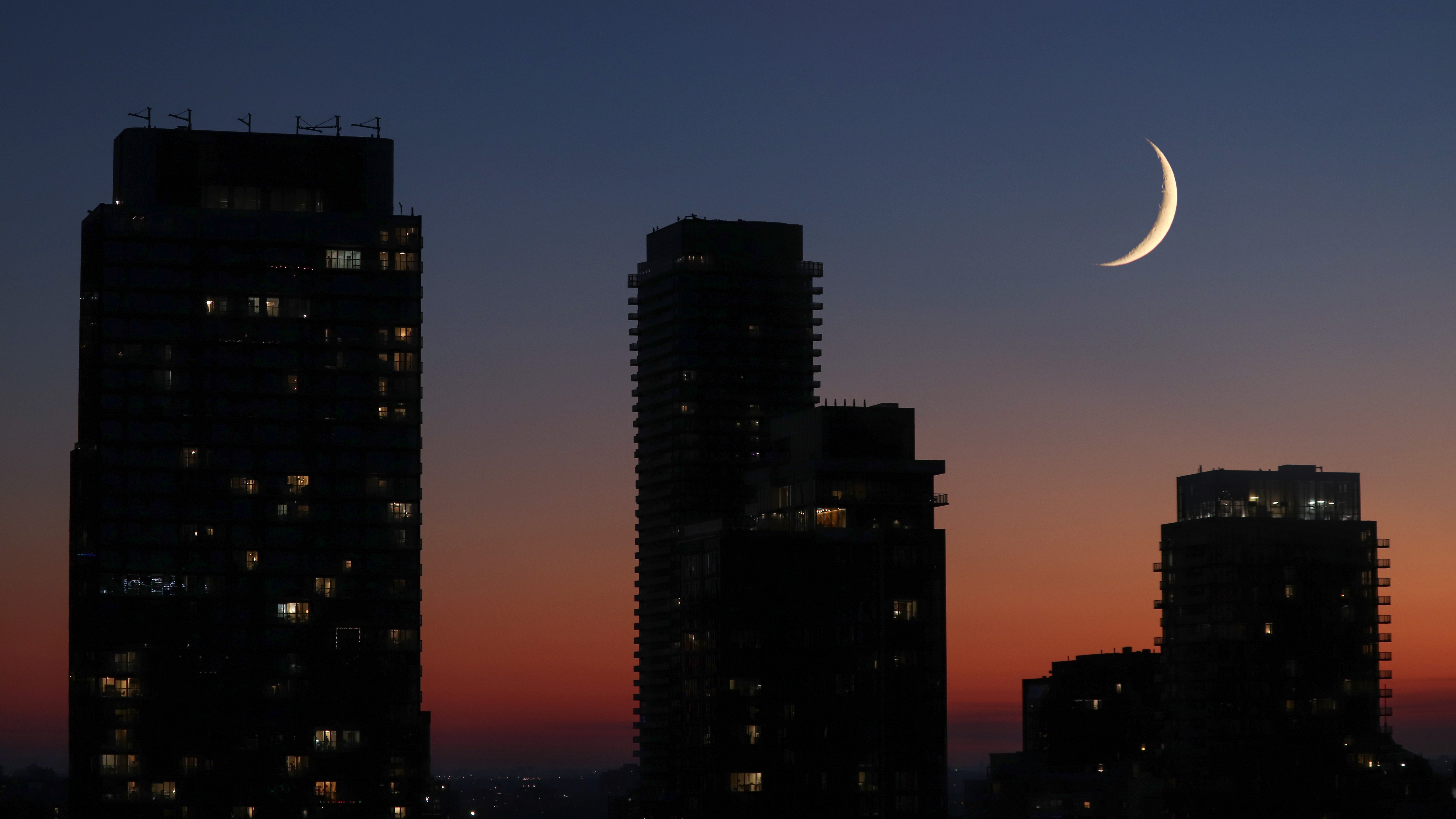
A few evenings after new moon, a slim waxing crescent hangs low in the southwest after sunset, with the rest of the moon faintly lit by Earthshine — light reflected from clouds and oceans back onto the dark lunar surface, just as bright moonlight lights up nights on Earth. On 19-21 January, it’s just a few percent illuminated.
Use an 85-200mm lens on a tripod, expose once for the bright crescent (for example, 1/60 sec, f/4, ISO 400) and again for the dim Earth-lit portion (around 1-2 seconds at the same ISO), then blend the frames into a simple HDR composite. Manual focus on a bright star or planet before reframing, and use a 2-second timer or remote release to avoid camera shake. On 22-23 January, the moon will be brighter as it passes Saturn.
Read: The best cameras for astrophotography
Astrophotography shot of the month: Jupiter at opposition
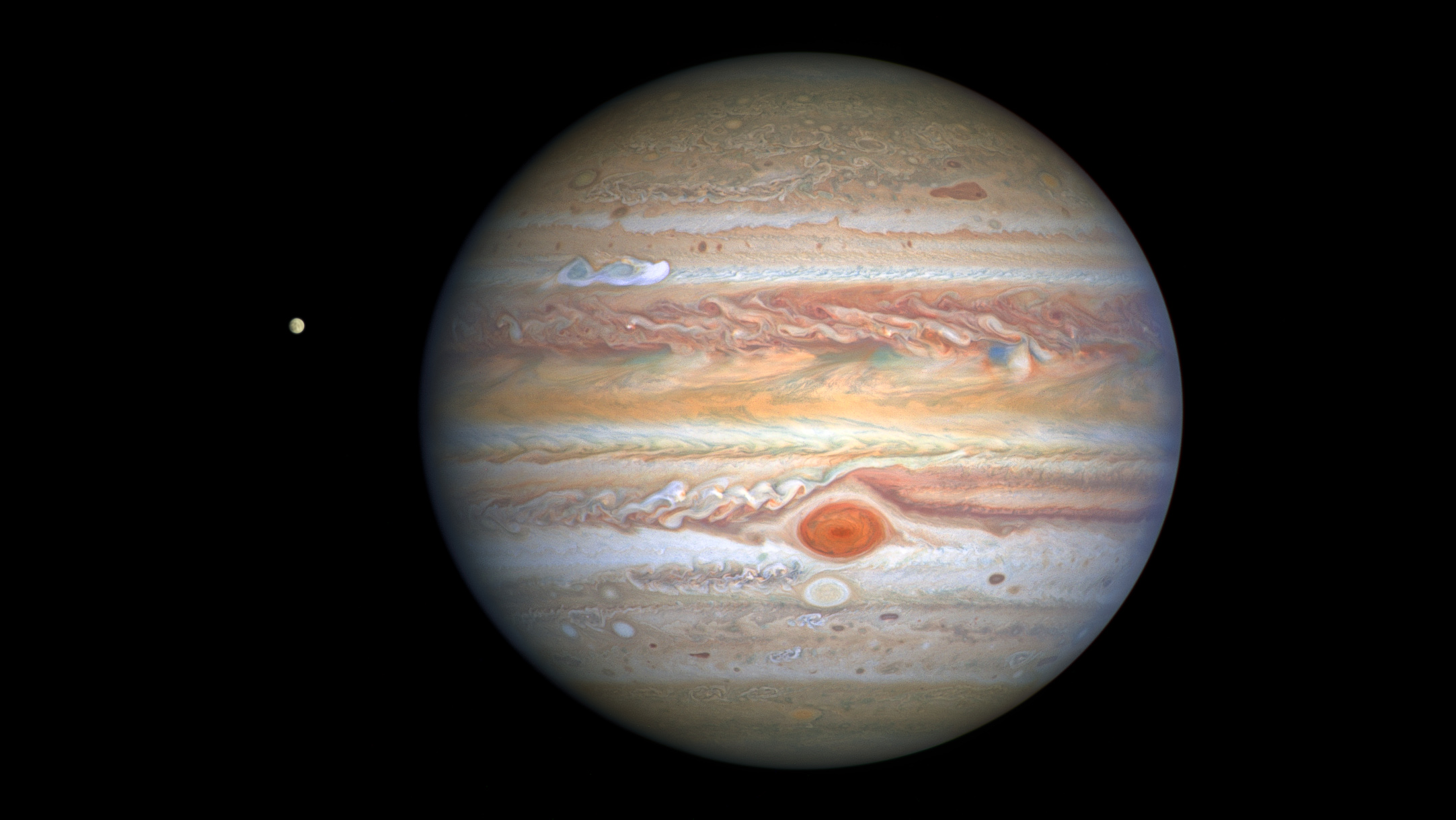
On Saturday, January 10, Jupiter reaches its annual bright opposition in the constellation Gemini, shining at around magnitude -2.7 and riding in the sky all night long. It’s the ideal time for high-resolution planetary imaging. At opposition, the giant planet is closest to Earth, and its disc appears slightly larger, so finer details in its cloud belts, the Great Red Spot, are easier to resolve. Its four Galilean moons are also easier to see in images as pinpricks of light around the giant planet.
For optimal results, use a telescope with an effective focal length of 1500-3000mm. When imaging Jupiter, you’re at the mercy of Earth’s turbulent atmosphere, so instead of aiming for perfect single stills, use a high frame rate planetary camera in place of an eyepiece to record short videos (1-3 minutes). The quality of each frame will be uninspiring, but software such as AutoStakker can combine them to make a sharp image, with software like RegiStax able to further sharpen up the results.
When Jupiter is highest in the sky, distortion from the atmosphere is at its minimum – this month, that’s about local midnight. Sky At Night has a good guide to imaging Jupiter, as does AstroBackyard.
Read more:
Astrophotography: How-to guides, tips and videos
Astrophotography tools: the best camera, lenses and gear
Author: Jamie Carter
Source: DigitalCameraWorld
Reviewed By: Editorial Team