

A lot’s changed since I first wrote about sharing your streaming passwords more than a decade ago.
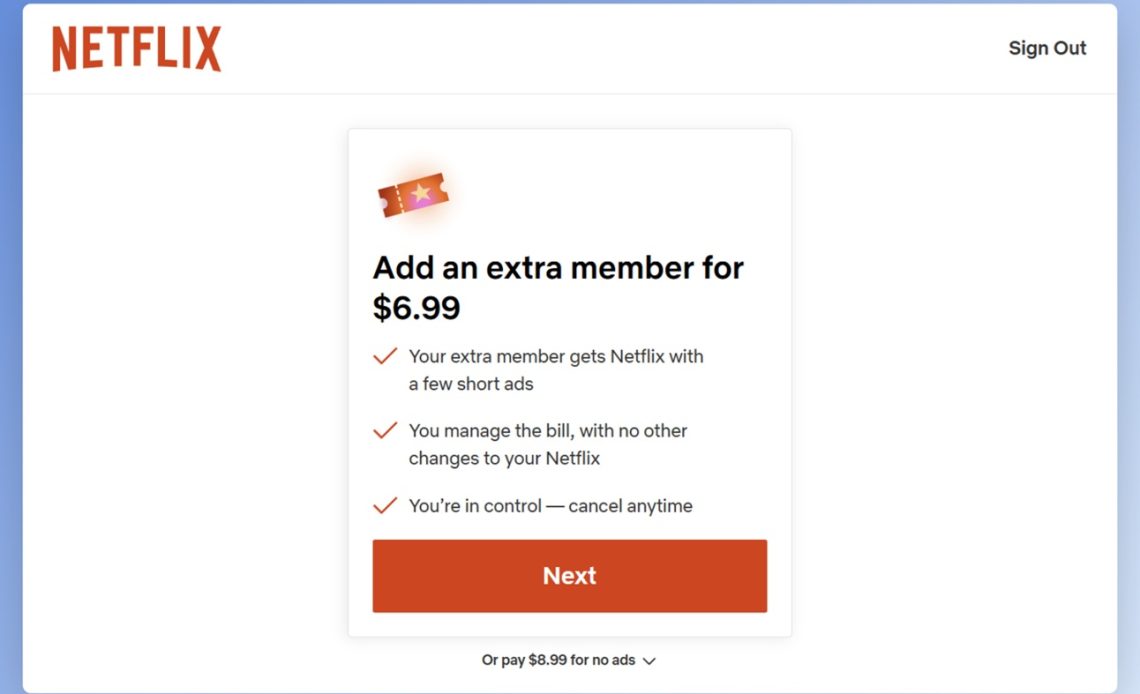
While Netflix once lauded password sharing as a growth mechanism, lately it’s been pushing more password sharers to pay up as it focuses on growing revenue. Disney and HBO Max followed Netflix’s lead over the past few years, gradually introducing more roadblocks for account sharers.
But that doesn’t mean password sharing is dead. Technically, it’s still possible for all but a handful of streaming services, even if some terms of service technically forbid it. And even with services like Netflix, Disney+, and HBO Max, the level of enforcement can vary, leaving some leeway to bend the rules.
Just so you know what you’re getting into, though, here’s how each streaming service is handling password sharing in 2026:
Netflix was the first major streaming service to severely limit password sharing. For each account, Netflix establishes a “Netflix Household” based on factors like IP addresses and device IDs, and it limits access from outside that location.
Disney began limiting passwords for its streaming services in 2024. Similar to Netflix, both Disney+ and Hulu establish a “Household” location and restrict out-of-home viewing.
Note that Hulu + Live TV has different restrictions. More on that shortly.
HBO Max’s password sharing crackdown began in earnest last year, with a similar approach to Netflix and Disney. The service will automatically establish a “household” location and may limit access from outside the home.
Apple TV supports up to six simultaneous streams with no out-of-home viewing restrictions, but sharing your Apple ID and password with others is a bad idea. Anyone who can access your Apple account for streaming can also access things like your iMessage history and iCloud Photos.
An Apple Family Sharing group does let up to six people access the same subscriptions, including Apple TV, but you can only belong to one Family Sharing group and can’t switch groups more than once per year. This mostly makes sense for folks who are actually part of the same family, but at least living together isn’t a requirement.
Amazon allows three simultaneous streams per account, two streams while watching the same content, or one stream for pay-per-view events.
Just one problem: Anyone with access to your Amazon account can also make purchases, view your Amazon Photos, and interact with Alexa on your behalf. Adding someone to an Amazon Family limits that access, but you can only add one other adult per account.
YouTube Premium only lets you stream on a single device at a time, but since YouTube and Google accounts are the same, you probably don’t want to share your password with anyone. The alternative is to get a YouTube Premium Family plan at $23, as this can be shared with five other people in a Google family group.
Peacock lets you watch on up to three devices at a time, with no restrictions on out-of-home access from inside the United States.
Password sharing is still technically against the rules, though, as Peacock’s terms of service say that “you may not share your subscription outside of your household,” and warns that it could “limit, suspend or terminate access” for violating those terms.
Paramount+ supports three simultaneous streams from anywhere inside the United States. Like Peacock, its terms of service forbid sharing an account “with anyone other than members of your household,” though it’s not widely enforcing those rules for now.
Fox hasn’t specified how many simultaneous streams it supports for Fox One, though StreamTV Insider reports that the limit is “around three” for out-of-home viewing.
As for restrictions on password sharing, Fox One hasn’t announced any, though its terms of service discourage it. The company says it may impose simultaneous stream limits or device limits to prevent account sharing with people outside your home.
A help page on ESPN’s site says you “may not share your subscription outside of your household.” But unlike Disney+ and Hulu, ESPN doesn’t provide any information on how to update your Household or access the service while traveling. Since ESPN Unlimited only launched last year, enforcement may still lag behind Disney’s other services.
YouTube’s live TV streaming service can be shared with up to five other members of a Google family group and allows up to three simultaneous streams.
But there’s a catch: Each member needs to access YouTube TV at the home of the account holder at least once every three months (or once per month for MLB programming), and local channels will only be available from the member’s current location. You can only change a YouTube TV account’s home location twice per year.
Hulu’s live TV service is a mostly a non-starter for password sharing. While you can watch on up to three mobile devices at a time while traveling, you can’t watch on TV devices from outside the home at all.
Fubo lets up to three devices stream from outside the home at the same time, but you can only watch on a TV from one location at a time. If someone’s already watching on TV at home, anyone else who tries to watch on TV from elsewhere will get an error message. Also, local channels will come from the current location, wherever you are.
Of all the major live TV streaming services, DirecTV’s password sharing policies are the loosest. The service supports streaming on up to three devices from outside the home, two of which can be TV devices such as smart TVs and streaming players.
While DirecTV hasn’t laid out any enforcement measures against password sharing, its terms of service do say to keep your password confidential and to “not to share it with anyone else.”
Philo supports up to three simultaneous streams, and its terms of service don’t mention password sharing.
Roku’s rerun-centric live TV service allows either one, two, or four simultaneous streams depending on plan. While Frndly doesn’t disclose any enforcement measures against password sharing, its terms of use say you can only share credentials “with household members residing together at the same physical address and sharing a common living space.”
So far, I’ve not heard of a single streaming service that’s banned a paying customer outright for sharing their password, because that would be counterproductive. Instead of eliminating legitimate customers, companies like Netflix and Disney are more interested in adding inconveniences for password sharers who aren’t already paying.
All of which is to say there’s little harm in testing the rules. But if you’re on the receiving end of someone else’s login, don’t be surprised if you’re eventually shut out.
Sign up for Jared’s Cord Cutter Weekly newsletter for more streaming TV advice.
Author: Jared Newman
Source: PCWorld
Reviewed By: Editorial Team