

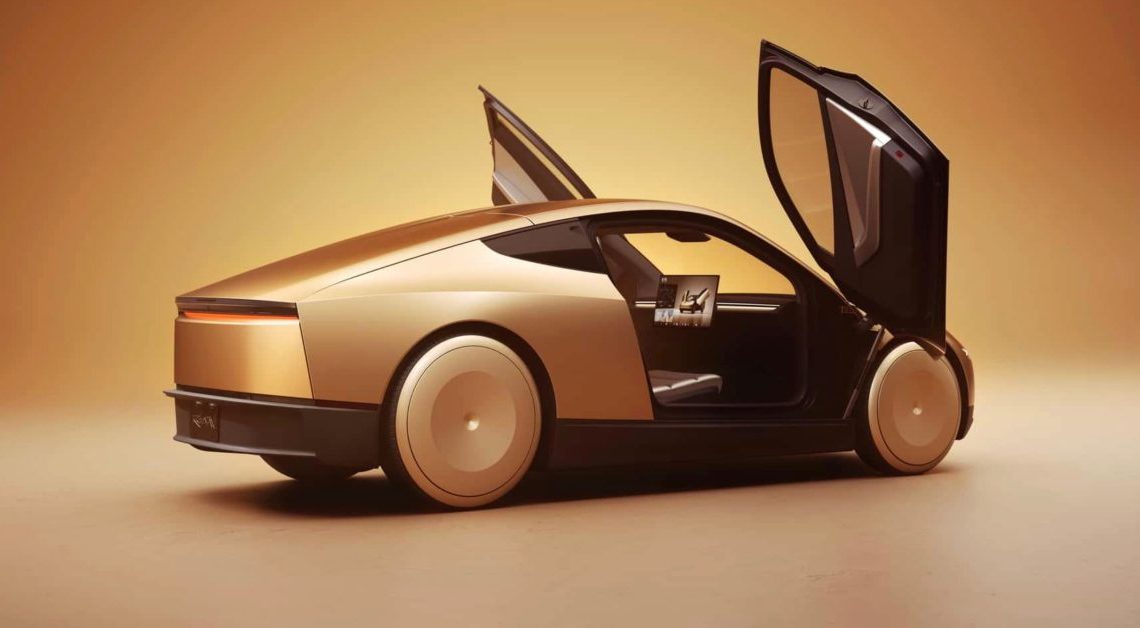
Mark Lupkey, the manufacturing operations leader who oversaw Cybercab assembly and end-of-line ramp at Giga Texas, has announced his departure from Tesla. He is the third senior leader directly involved in bringing the Cybercab to production to leave the company in just over a month.
Lupkey spent nearly eight years at Tesla across two separate stints, working his way through some of the automaker’s most demanding production programs before taking on the Cybercab assembly role in Austin.
A growing pattern of Cybercab departures
The departure adds to a striking pattern of exits from Tesla’s most critical program. In February, Victor Nechita, the Cybercab’s vehicle program manager, quit just days after the first production unit rolled off the line at Giga Texas. Earlier this month, Thomas Dmytryk, the director who built Tesla’s OTA update system and Robotaxi ride-hailing infrastructure, left after 11 years.
Now Lupkey, who was responsible for the physical assembly process and end-of-line validation of the Cybercab, makes three senior Cybercab-related departures in rapid succession.
In his LinkedIn post, Lupkey described his time at Tesla as defining his career, highlighting his work ramping Model S, X, and 3 seat assembly in Fremont, leading Cybertruck end-of-line operations, and ultimately leading Cybercab assembly in Austin. He wrote that “what seems impossible at Tesla becomes reality when the right team comes together.”
He said he is stepping back to spend time with family and focus on personal business ventures.
Tesla has lost every original program manager
The broader picture is even more concerning. Tesla currently has no original program managers remaining for any of its production vehicles — not for Model 3, Model Y, Cybertruck, or the Cybercab. The Cybertruck and Model Y program managers both left on the same day back in November 2025.
This wave of departures is happening at the worst possible time for the Cybercab program. Tesla rolled its first steering-wheel-less Cybercab off the production line in February, with volume production targeted for April. The company is simultaneously planning to expand its robotaxi service to Phoenix, Miami, and Las Vegas by mid-2026.
Yet the autonomous driving technology the vehicle depends on remains deeply troubled. Tesla’s robotaxi fleet in Austin has crashed approximately once every 57,000 miles — nearly four times worse than the human driver benchmark of one crash per 229,000 miles. Eight months after launching its robotaxi service, Tesla operates roughly 200 vehicles across only Austin and San Francisco, with the service available just 19% of tracked hours.
Author: Fred Lambert
Source: Electrek
Reviewed By: Editorial Team