

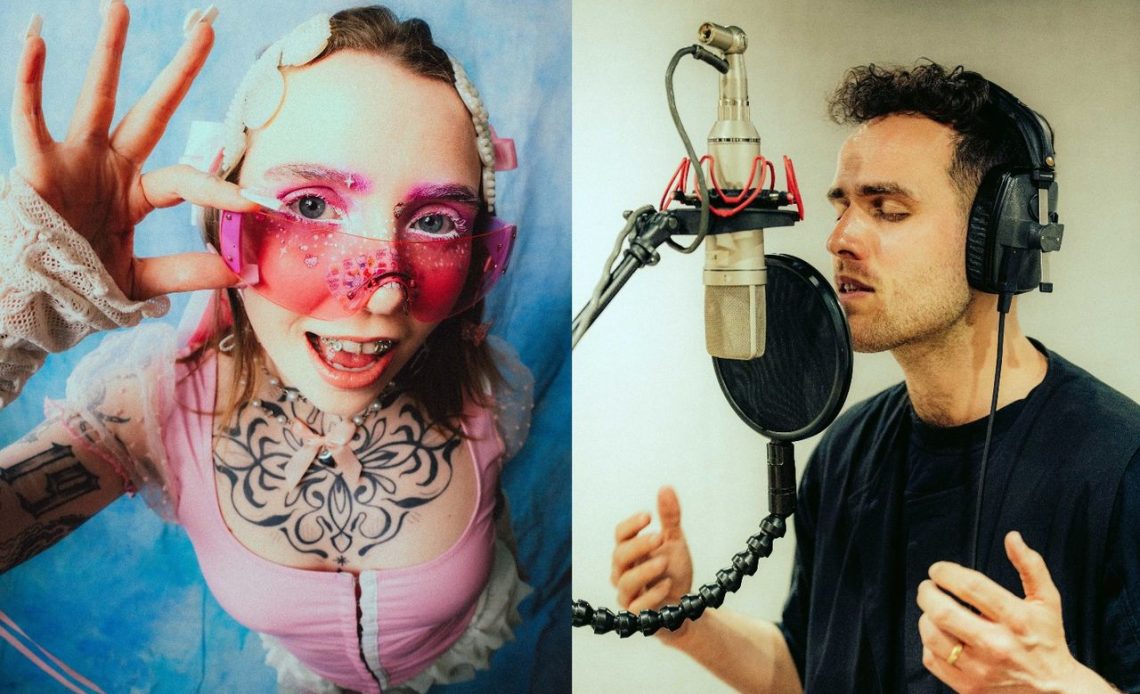
As Abbey Road Studios’ photographer in residence, Sam Rockman spends his time shooting musicians in the world’s most famous recording studio. But his route to this hallowed role was neither direct nor speedy.
Abbey Road is where The Beatles recorded most of their catalogue, where the zebra crossing became a pilgrimage site, and where everyone from Pink Floyd to Adele has worked. It’s a place steeped in history, with orchestras recording in Studio One while bands lay down albums next door in Studio Two.
Yet the 38-year-old photographer’s path began far from that legacy. At 16, struggling at school, his father gave him a choice: learn a trade or try a newly introduced Media BTEC. He chose Media, later studying film at UCA Farnham, with ambitions of becoming a cinematographer.
After graduating, he spent years making music videos with friends, filming events, and working industry jobs, including running a casting studio and filming auditions. Photography, though, was never part of the plan.
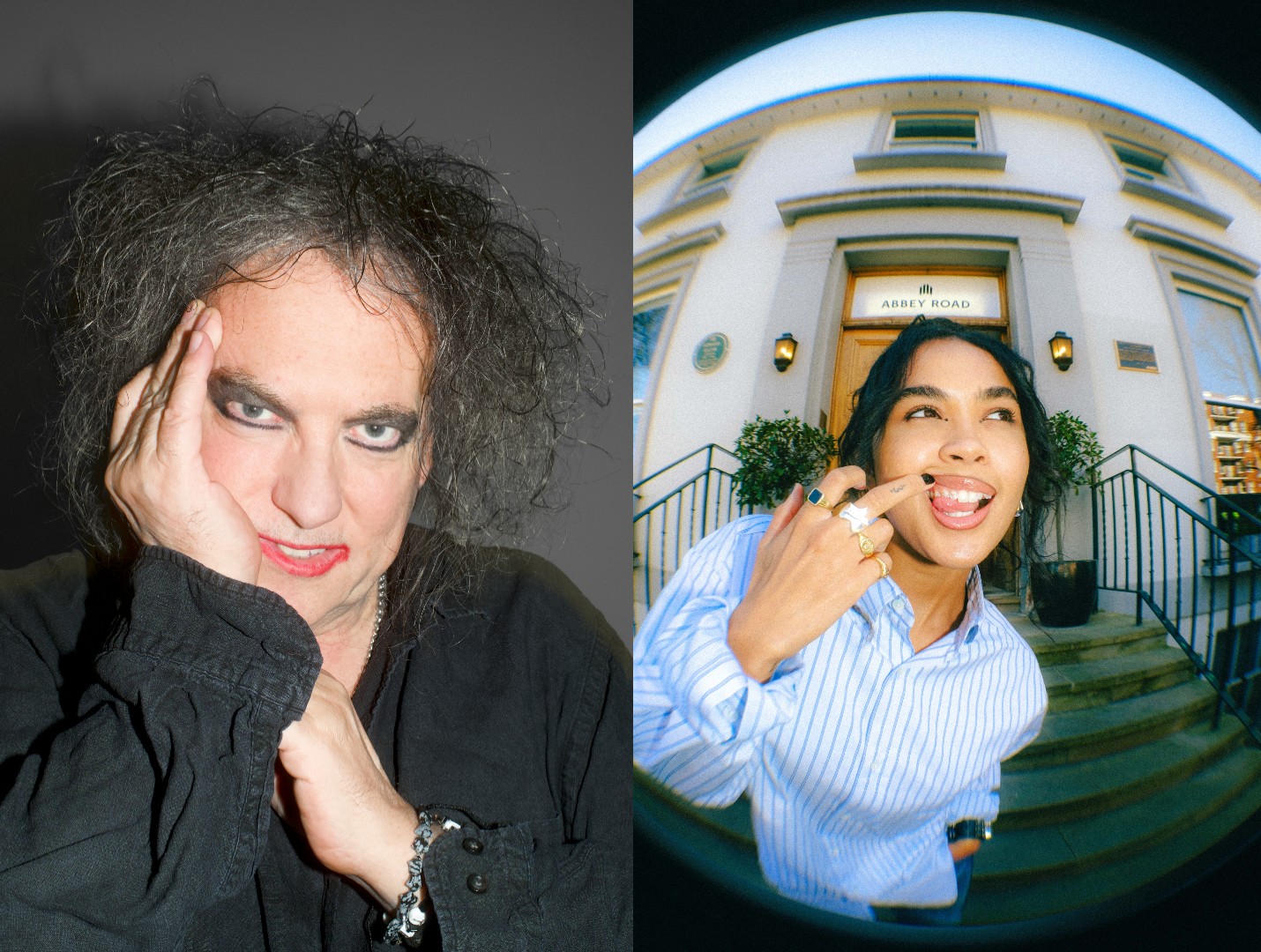
Everything changed around 12 years ago when Rockman borrowed his younger brother’s 35mm film camera. His brother had studied photography, but it was Rockman who became hooked. He shot a few rolls, shared them online, and was struck by the response.
“For the first two years I only shot film; 35mm and medium format,” he says. With limited frames, he learned to work quickly and trust his instincts, a discipline that still shapes how he shoots today.
Music photography followed through a friend’s band, Pengshui, a punk hip-hop outfit who asked him to handle their visuals. He photographed gigs ranging from tiny venues to major festivals, touring with them extensively in 2019.
The accidental photographer
When the pandemic hit the following year, Rockman had just taken what felt like a secure full-time role running a casting studio. Unfortunately, that job disappeared overnight, along with his freelance work. “But it was kind of a blessing in disguise,” he reflects now. “I had to make photography work.”
The next five years became the most productive of his career. But the Abbey Road opportunity came via a push from his girlfriend, now fiancée. She kept sending him the Abbey Road Music Photography Awards (now the Music Photography Accelerator) on Instagram. He ignored it until the final day, when she sat him down and made him apply.
Rockman became a finalist in three categories but didn’t win. Yet shortly afterwards, someone from Abbey Road emailed asking if he’d like to photograph a few sessions. A handful of shoots later, he was offered the role of photographer in residence.
What the job involves
Unlike traditional residencies, Rockman’s role is project-based. He isn’t present for every recording session; many artists prefer privacy. Mainly, he’s brought in for Abbey Road’s own programmed content, including Straight to Vinyl, After Hours sessions and artist collaborations designed to be filmed and shared.
A typical day runs from noon to 8pm. He arrives with two Sony A7 IV bodies, a 24–70mm and 70–200mm, plus a selection of primes, a fisheye for wide studio shots, and occasionally a Mamiya RZ67 for portraits. He also carries a Fuji X100V. “It’s so small and completely silent,” he says. “That’s been really useful.” Though he once dreamed of working with a single camera and lens, Abbey Road isn’t the place to experiment, he stresses. “You don’t want to miss anything.”
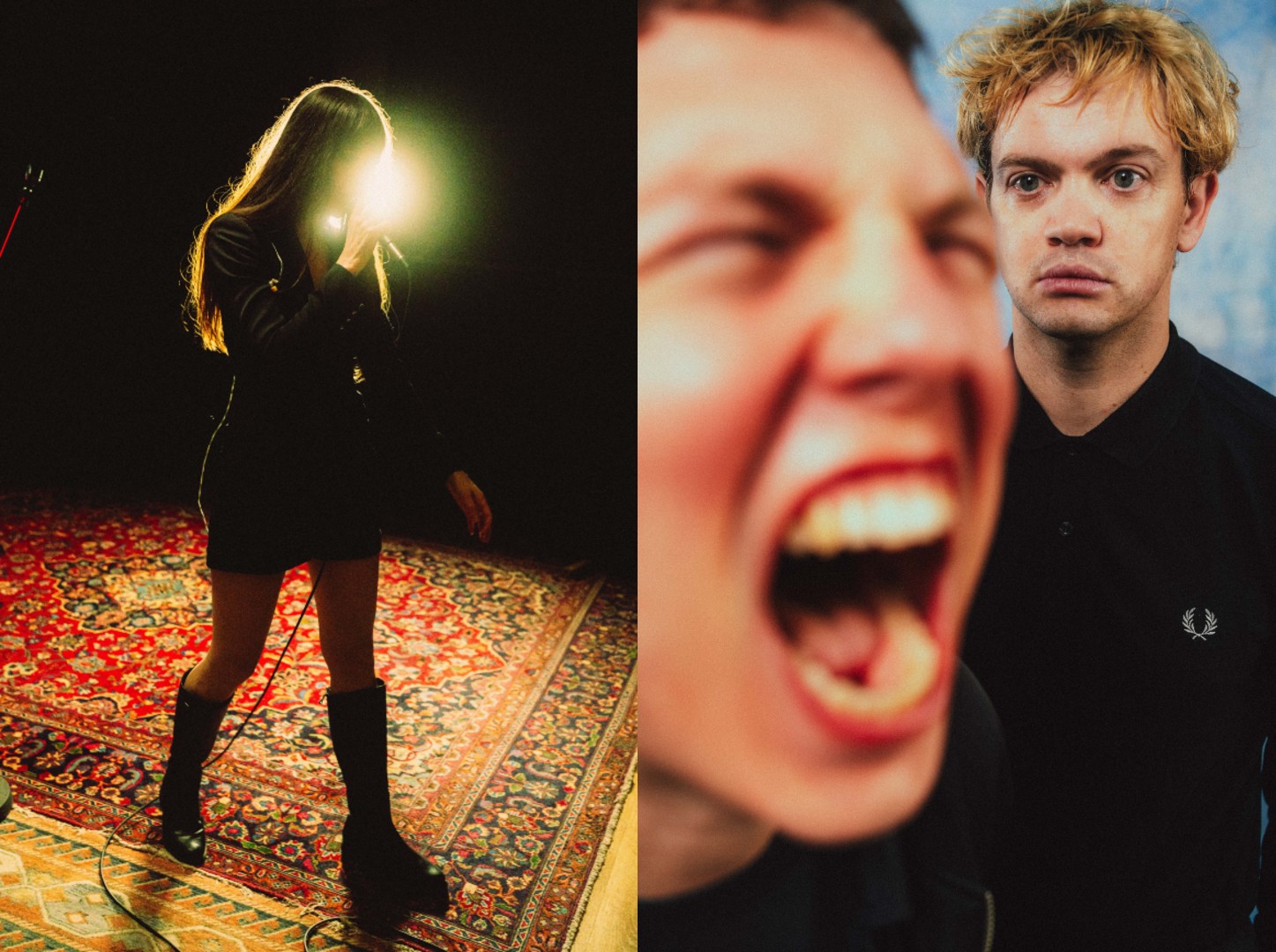
Recording studios demand restraint. The music always comes first. Flash is banned. Silent shutter mode is essential. Early on, Rockman lost almost an hour of images to banding caused by artificial lighting. “I learned very quickly,” he says. Now he adjusts shutter speeds carefully to avoid it.
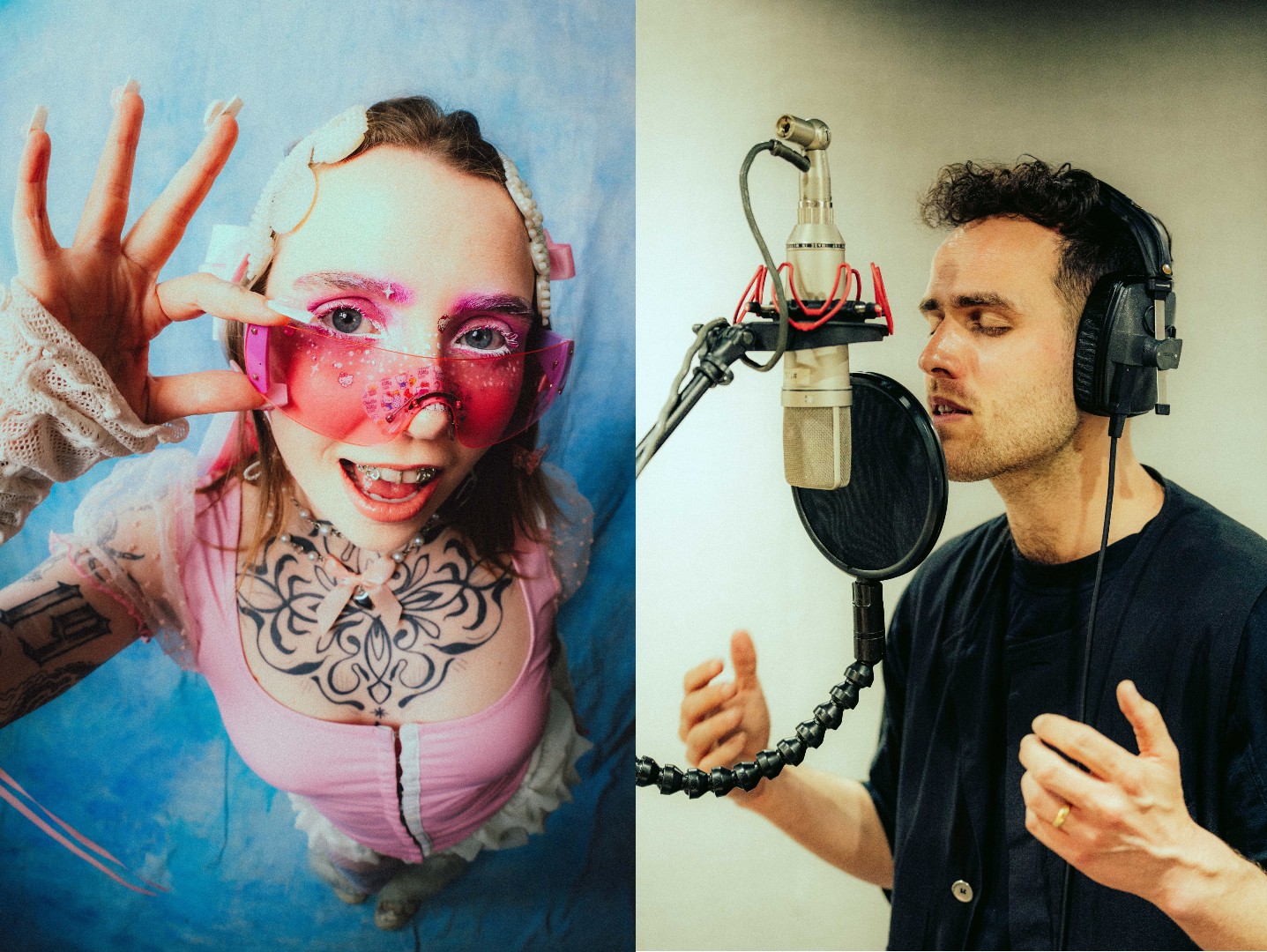
Lighting varies. When video crews are present, the space is often beautifully lit. When it’s just him and a videographer, he’ll ask for full studio lighting. Across an eight-hour session, he typically shoots between 1,000 and 2,000 images. He avoids burst mode, preferring short, controlled sequences. “It’s about watching people create,” he says. “You see mistakes, adjustments, and those moments when something suddenly clicks.”
After the fact, Rockman edits entirely in Lightroom. After his first Abbey Road sessions, he built a custom preset, but it’s flexible. “It depends how I feel that day,” he explains. Different artists, moods and lighting demand different treatments, and the images don’t all look the same.
Final selections are sent to Abbey Road, who share them with artists as part of each project’s promotional package. He can post images only after Abbey Road publishes them. Feedback comes via the studio rather than directly from musicians, and has been consistently positive.
Career milestone
Last week, a private exhibition of his work at Abbey Road marked another career milestone. Rockman curated the show himself, selecting at least one image from every session he’s shot. The work ranged from wide fisheye views of Studio One to intimate portraits on the iconic steps outside. “As a creative, your taste changes constantly,” he says. Choosing wasn’t easy.
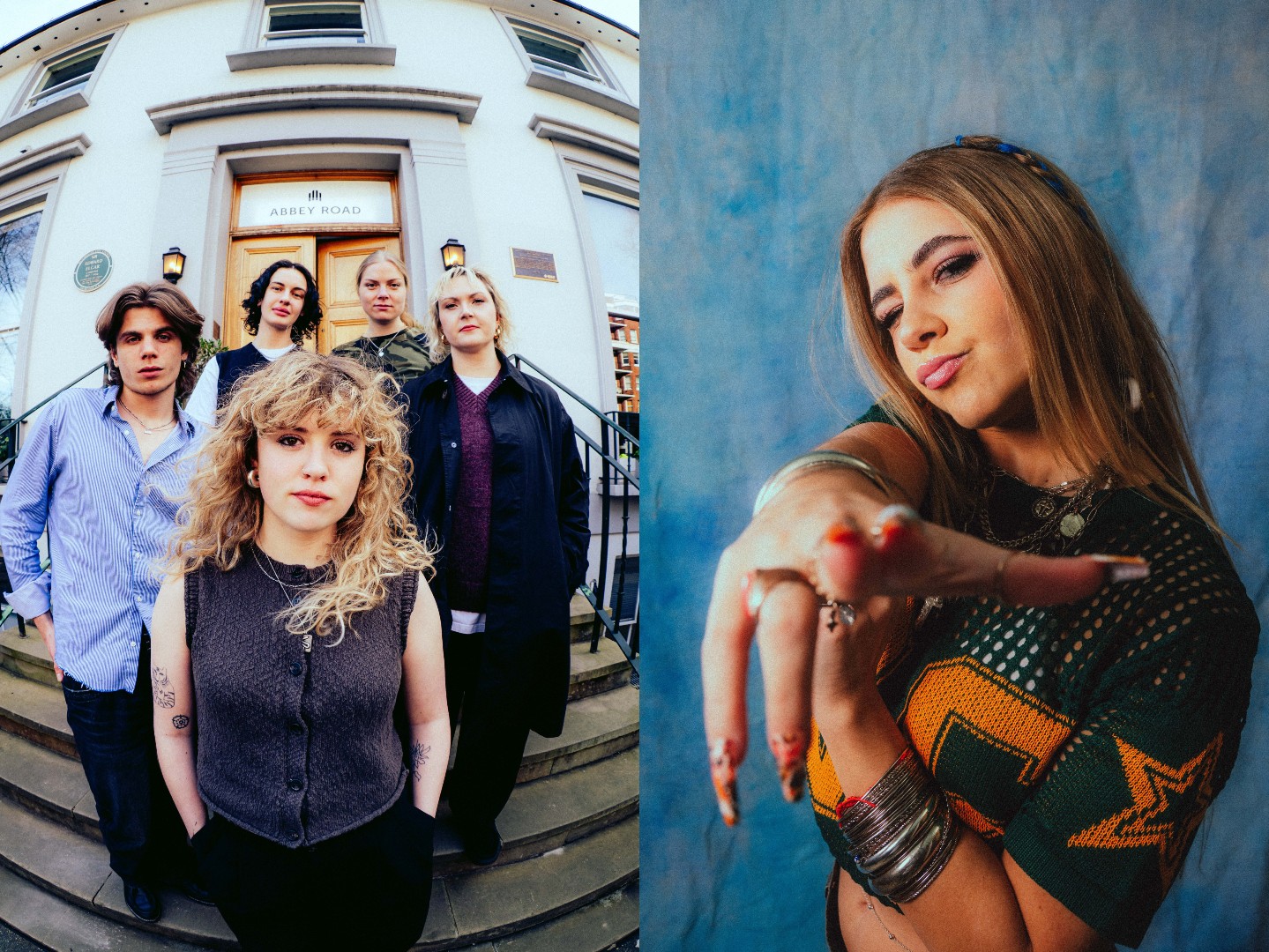
At 38, Rockman is aware that photography can feel like a young person’s game. Yet his career offers a counterpoint to all that. He spent more than a decade freelancing, switched from film to digital mid-career, and balanced unglamorous jobs while building his practice. Luck played a part; but only after years of work, and only because someone pushed him to enter the contest he almost ignored.
Today, his advice to young photographers is blunt: “You either get lucky, know someone, or it’s a long, long road of grinding and questioning yourself.” He adds: “Social media only shows the good bits. There’s a lot of rubbish in between.”
For those building their careers, Rockman’s story sets realistic expectations. Think years, not months. Expect detours and rejection. And don’t dismiss the opportunity you’re too tired for; it might be the one that changes everything.
Check out our guide to the best cameras for music videos
Author: Tom May
Source: DigitalCameraWorld
Reviewed By: Editorial Team